
Your daily habits are silent architects of your future health. Some build you up; others quietly tear you down, one repeated choice at a time. Science has uncovered exactly how common behaviors—from skipping breakfast to scrolling before bed—trigger inflammation, hormonal disruptions, and metabolic damage that accumulate over years.
The good news? Understanding the why behind each habit empowers you to break the cycle. And for many of the nutritional gaps these habits create, a high-quality protein powder can be a strategic ally in your comeback. Products like  offer a fast, clean protein source to repair damage and support recovery. Let’s explore 50 bad habits through the lens of science—and what you can do to reverse their effects.
Table of Contents
The Hidden Cost of Poor Nutrition Habits
Habit 1: Skipping Breakfast
When you skip the morning meal, your body stays in a fasted state longer, which can elevate cortisol and blood sugar volatility throughout the day. A 2020 study in the Journal of Nutrition linked habitual breakfast skipping to a 27% higher risk of type 2 diabetes. Your brain also suffers—glucose availability drops, impairing focus and mood.
Habit 2: Overconsumption of Ultra-Processed Foods
These foods are engineered to be hyper-palatable, overriding your natural satiety signals. They disrupt the gut microbiome, promote chronic low-grade inflammation, and are linked to cognitive decline. Replacing even one meal with a clean protein shake, like  , can shift your nutrient intake toward repair rather than damage.
Habit 3: Not Eating Enough Fiber
Fiber isn’t just for digestion. It feeds beneficial gut bacteria that produce short-chain fatty acids, which lower inflammation and support immune function. The average adult gets only 15 grams of fiber daily—half the recommended amount.
Habit 4: Drinking Sugary Beverages
Liquid sugar bypasses your brain’s fullness mechanisms. A single soda daily increases your risk of heart disease by 20% and fatty liver by 50%—directly due to the fructose overload.
Habit 5: Relying on Protein Powders as Meal Replacements Without Whole Foods
It’s a counterintuitive bad habit. While protein powder is a great tool, using it exclusively without whole food sources of micronutrients can lead to deficiencies. The key is strategic supplementation.
The Science of Sleep Sabotage
Habit 6: Screen Time Before Bed
Blue light suppresses melatonin production by up to 50% for two hours. This disrupts circadian rhythm, impairing deep sleep and cellular repair. Chronic poor sleep raises cortisol and accelerates aging.
Habit 7: Inconsistent Sleep Schedule
Your body’s internal clock thrives on consistency. Shifting your bedtime by even 90 minutes can impair glucose metabolism and increase appetite hormones like ghrelin.
Habit 8: Sleeping in on Weekends
“Social jetlag” confuses your circadian rhythm. Studies show that a 2-hour sleep difference on weekends increases your risk of obesity and metabolic syndrome.
Habit 9: Using Alcohol as a Sleep Aid
Alcohol initially sedates you, but it fragments REM sleep and suppresses growth hormone. The result: you wake up tired, with poor muscle repair and a slower metabolism.
Habit 10: Sleeping with Lights On
Even dim light during sleep elevates heart rate and impairs insulin sensitivity. Total darkness is essential for optimal melatonin production.
Movement and Posture Pitfalls
Habit 11: Prolonged Sitting
Sitting for more than 30 minutes at a time reduces blood flow and slows metabolism. Your leg muscles essentially “turn off,” lowering fat-burning enzymes. Standing breaks every 30 minutes can offset this.
Habit 12: Wearing Unsupportive Shoes
Flat shoes or heels without arch support can misalign your spine, leading to chronic back pain and altered gait mechanics. Your body compensates, creating muscle imbalances.
Habit 13: Skipping Warm-Ups
Cold muscles are more prone to injury. A proper warm-up increases blood flow and prepares tendons for stress, reducing tear risk by up to 50%.
Habit 14: Overtraining Without Recovery
Breaking down muscle without adequate rest leads to elevated cortisol, impaired immune function, and plateaus. Protein timing matters: consuming 20–30g of protein within 2 hours post-workout maximizes repair.
Habit 15: Poor Posture During Work
Forward head posture (“tech neck”) adds up to 60 pounds of pressure on your cervical spine. Over time, it can lead to chronic headaches and nerve compression.
Mental and Emotional Habits That Damage Health
Habit 16: Chronic Catastrophizing
Your brain responds to anxious thoughts with a real stress response, releasing cortisol and adrenaline. Over weeks and months, this raises blood pressure and weakens the immune system.
Habit 17: Social Media Comparison
Scrolling curated highlight reels triggers envy and depressive symptoms. A 2018 study found that limiting social media to 30 minutes per day significantly reduced loneliness and depression.
Habit 18: Holding Grudges
Forgiveness is health-protective. Unforgiveness keeps your body in a state of “low-grade fight-or-flight,” raising heart rate and blood pressure.
Habit 19: Neglecting Hobbies
Lack of creative or restorative activities leads to emotional exhaustion. Engaging in a hobby at least twice a week correlates with lower cortisol levels.
Habit 20: Suppressing Emotions
Bottling up anger or sadness increases inflammation markers. Journaling or talking through emotions lowers these markers within weeks.
The Protein Powder Connection: Repairing Damage from Bad Habits
Many of the 50 bad habits—poor diet, lack of sleep, overtraining, stress—deplete your body’s protein reserves and hinder repair. Strategic use of protein powder can help counteract this damage by:
- Supporting muscle repair after exercise
- Stabilizing blood sugar when used in place of processed snacks
- Providing amino acids for neurotransmitter production (e.g., tryptophan for serotonin)
- Reducing cravings by promoting satiety
- Delivering easy nutrition when poor sleep leaves you with low appetite
 is a hydrolyzed isolate that absorbs quickly—ideal for post-training recovery or a fast breakfast when you’re in a hurry.
Environmental and Self-Care Sabotage
Habit 21: Not Drinking Enough Water
Even 1–2% dehydration impairs cognitive performance and mood. Chronic low water intake increases kidney stone risk and slows metabolism.
Habit 22: Excessive Caffeine
Over 400mg of caffeine daily (about 4 cups of coffee) can disrupt sleep, increase anxiety, and deplete magnesium. Timing matters—caffeine after 2 PM significantly reduces sleep quality.
Habit 23: Smoking or Vaping
Both damage endothelial function, reduce oxygen delivery to tissues, and accelerate collagen breakdown in skin. Quitting improves circulation within 2 weeks.
Habit 24: Ignoring Oral Hygiene
Poor oral health is linked to heart disease, diabetes, and Alzheimer’s. Gum inflammation allows bacteria to enter the bloodstream, triggering systemic inflammation.
Habit 25: Chronic Multitasking
Your brain cannot actually multitask; it switches rapidly, increasing cognitive load and cortisol. Single-tasking for 30 minutes lowers stress and improves efficiency.
Dietary Gaps That Worsen Bad Habits
Habit 26: Eating Too Fast
Eating quickly leads to overeating because your brain’s satiety signal lags 20 minutes behind your stomach. Slowing down reduces calorie intake by 10–15%.
Habit 27: Following Fad Diets
Restrictive diets often lack protein, leading to muscle loss and metabolic slowdown. A sustainable plan includes adequate protein—around 1.6–2.2g per kg of body weight for active individuals.
Habit 28: Not Eating Enough Protein at Breakfast
A low-protein breakfast spikes blood sugar and leads to cravings later. Adding a protein shake, like  , can stabilize appetite and energy levels.
Habit 29: Emotional Eating
When you eat to soothe emotions, you often choose high-fat, high-sugar foods that trigger dopamine but later increase cortisol. Breaking the cycle requires awareness and a go-to healthy alternative.
Habit 30: Skipping Meals Then Binging
This pattern dysregulates insulin and ghrelin. Eating balanced meals every 3–5 hours keeps hormones stable and prevents overeating.
How to Break 50 Bad Habits That Affect Your Health Permanently
If you’re serious about reversing these patterns, you need a system. Start by identifying your top 3–5 habits from this list and replace them with one small positive action each day. For example:
- Swap an afternoon soda for a protein shake
- Take a 5-minute movement break after every 30 minutes of sitting
- Set a screen curfew 60 minutes before bed
For a deeper framework, read our guide on 50 Bad Habits That Are Ruining Your Health (And How to Stop). And if you want a step-by-step action plan, check out How to Break 50 Bad Habits That Affect Your Health Permanently?.
Top Protein Powders to Support Your Health Journey
Below are some of the best-rated protein powders on Amazon that can help you repair the damage from bad habits. Each product link takes you directly to the product page.
| Product | Price | Rating | Description |
|---|---|---|---|
|
$44.99 | 4.6 | Classic whey blend, fast-dissolving, 24g protein per serving |
 |
$79.99 | 4.7 | Large tub, great value, 24g protein, low fat |
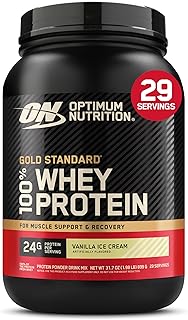 |
$44.99 | 4.7 | Same quality, smaller size for trial |
|
$25.97 | 4.6 | 30g protein, 1g sugar, gluten-free, no soy |
|
$31.52 | 4.5 | Plant-based, 21g protein, 6g prebiotic fiber |
|
$108.99 | 4.7 | Hydrolyzed isolate, fast absorption, 25g protein |
 |
$31.60 | 4.6 | 30g protein, keto-friendly, no soy |
 |
$59.99 | 4.5 | Naturally flavored, 28g protein, no artificials |
 |
$45.28 | 4.6 | Immune support with Vitamins C & D, Zinc |
 |
$24.97 | 4.5 | Affordable isolate blend, 30g protein |
 |
$89.95 | 4.4 | Zero carb, pure whey isolate, 25g protein |
 |
$76.18 | 4.6 | 25g protein, 5.5g BCAAs, fast digesting |
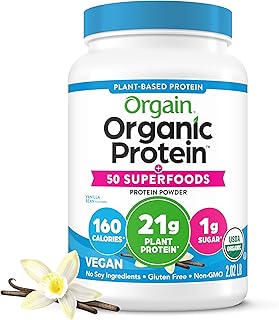 |
$34.15 | 4.6 | 21g protein, 8g prebiotic fiber, superfoods |
 |
$42.48 | 4.6 | Fun flavor, 25g protein, low calorie |
 |
$39.98 | 4.5 | 52g protein, 1280 calories, mass gain |
 |
$44.99 | 4.5 | Grass-fed, undenatured, 24g protein |
 |
$18.65 | 4.6 | Supports skin, hair, nails, joints |
 |
$44.99 | 4.1 | Only 3 ingredients, grass-fed, no artificials |
 |
$74.95 | 4.5 | Budget-friendly, 25g protein per serving |
 |
$26.99 | 4.3 | Unsweetened, plant-based, no sugar |
Choose one that aligns with your dietary needs—whey for fast absorption, plant-based for vegan or sensitive stomachs, or collagen for skin and joint support.
Frequently Asked Questions
What are the most damaging daily habits for overall health?
The five most harmful habits are smoking, excessive alcohol consumption, poor diet (ultra-processed foods), physical inactivity, and chronic sleep deprivation. Together, they increase the risk of heart disease, diabetes, and premature death.
How does protein powder help counteract bad health habits?
Protein powder provides concentrated amino acids that repair muscle tissue, stabilize blood sugar, reduce cravings, and support neurotransmitter production. It’s especially useful when poor habits lead to low protein intake or increased oxidative stress.
Can protein powder replace whole foods in a healthy diet?
No. Protein powder should supplement—not replace—whole foods. Whole foods provide fiber, vitamins, minerals, and phytonutrients that powder lacks. Use it strategically for convenience or post-workout recovery.
How many bad habits can I realistically change at once?
Most behavior change experts recommend starting with one or two habits at a time. Focus on small, specific actions—like adding a protein shake to breakfast and taking a 10-minute walk after dinner—until they become automatic.
Is it safe to use protein powder every day?
Yes, for most healthy adults. Choose a high-quality brand with minimal additives. Stick to 1–2 servings per day, and adjust based on your total protein needs from food.
Your health is the sum of your habits—but you don’t have to fix them all at once. Pick one small change today, support your body with quality nutrition, and let science work in your favor. The future you will thank you.