
Table of Contents
Complete List of Good and Bad Habits You Need to Know
Your habits shape your life more than any single decision ever could. Every day, you repeat dozens of small actions that quietly build the person you become. Some of those actions push you toward strength, clarity and success. Others slowly pull you away from the life you want. Knowing the difference is the first step to real change.
Good habits are the bridge between where you are and where you want to be. Bad habits are the traps that keep you stuck. This complete list breaks down the most important good and bad habits across every area of life — physical health, mental fitness, productivity, relationships and finances. Use it as a roadmap to audit your routine, drop what holds you back and adopt what moves you forward.
One simple but powerful good habit is supporting your nutrition with a high-quality protein source. For example, adding a scoop of Optimum Nutrition Gold Standard 100% Whey Protein Powder, Vanilla Ice Cream, 5 Pound to your post-workout shake can help you recover faster and stay on track. Small upgrades like this compound over time into massive results.
The Foundation of Habit Change
Before we dive into the list, understand one thing: habits are not fixed. You have the power to rewire your brain and rewrite your routine. The process starts with awareness, then moves to intentional action.
If you want to know exactly how to spot your own patterns, read How to Identify Good vs. Bad Habits in Your Daily Life?. For a deeper strategy on replacing bad habits with better ones, check out The Ultimate Guide to Changing Habits: Good, Bad, and in Between. These resources will help you apply everything in this article.
Now, let’s get to the complete list.
Physical Health Habits
Your body is the vehicle for everything you want to achieve. Treat it with respect.
Good Physical Health Habits
- Exercise at least 30 minutes daily. Consistent movement improves cardiovascular health, mood and energy levels. You don’t need a gym — a brisk walk counts.
- Sleep 7–9 hours every night. Sleep is when your body repairs itself. Skimping on it sabotages your focus, immunity and hormone balance.
- Drink enough water. Aim for half your body weight in ounces per day. Hydration boosts brain function and digestion.
- Eat whole, nutrient-dense foods. Prioritize protein, healthy fats, vegetables and complex carbs. Minimize processed junk.
- Consume adequate protein. Protein is the building block of muscle, skin, hair and enzymes. A high-quality protein powder like Premier Protein Powder, Chocolate Milkshake makes it easy to hit your daily target, especially after workouts.
- Stretch or do mobility work. Flexibility prevents injury and keeps you moving pain-free as you age.
- Get morning sunlight. Exposure to natural light within an hour of waking helps regulate your circadian rhythm.
Bad Physical Health Habits
- Sitting for long periods without breaks. Prolonged sitting is linked to obesity, heart disease and back pain. Stand and move every hour.
- Sleeping irregular hours. Going to bed at different times each night confuses your body clock and reduces sleep quality.
- Drinking sugary beverages. Sodas, sweetened coffees and juices spike blood sugar and add empty calories.
- Skipping meals. This leads to overeating later and slows your metabolism. Eating regular, balanced meals is key.
- Ignoring protein needs. Low protein intake causes muscle loss, slower recovery and weaker immune function.
- Using phones or screens before bed. Blue light suppresses melatonin and disrupts sleep.
- Eating late at night. Digestion during sleep interferes with rest and can lead to weight gain.
Mental Health Habits
Your mind is your most powerful asset. Protect it with daily practices that build resilience and clarity.
Good Mental Health Habits
- Practice gratitude. Write down three things you’re grateful for each day. This rewires your brain to notice the positive.
- Meditate for 5–10 minutes. Even a short mindfulness session reduces anxiety and improves focus.
- Set boundaries with news and social media. Constant negative information drains your mental energy. Curate what you consume.
- Journal your thoughts. Getting worries out of your head and onto paper brings perspective and calm.
- Spend time in nature. Studies show that just 20 minutes outdoors lowers stress hormones.
- Learn something new every day. Reading, listening to podcasts or taking a course keeps your brain sharp.
- Talk to yourself with kindness. The way you speak to yourself shapes your self-esteem and confidence.
Bad Mental Health Habits
- Ruminating on past mistakes. This keeps you stuck in shame and regret. Learn from the past, then let it go.
- Comparing yourself to others on social media. Comparison steals joy and fuels insecurity.
- Scrolling aimlessly for hours. Doomscrolling increases anxiety and wastes time that could be spent on meaningful activities.
- Suppressing emotions. Pretending you’re fine when you’re not leads to burnout and resentment.
- Isolating yourself from loved ones. Connection is a core human need. Withdrawing damages your mental health.
- Multitasking constantly. It fragments your attention and reduces the quality of your work and thoughts.
- Ignoring sleep for productivity. Sacrificing sleep for work hurts your cognitive performance and mood.
Productivity Habits
Your ability to get things done determines your progress. Build systems that work with your brain, not against it.
Good Productivity Habits
- Plan your day the night before. Knowing what you need to do reduces decision fatigue and morning confusion.
- Use time blocking. Dedicate focused blocks of time to single tasks. Protect those blocks from interruptions.
- Start the day with your hardest task. Accomplishing something difficult early builds momentum.
- Take regular breaks. The Pomodoro Technique (25 minutes work, 5 minutes break) sustains focus.
- Declutter your workspace. A clean environment reduces distractions and mental load.
- Review your goals daily. Remind yourself why you’re working so you stay motivated.
- Batch similar tasks together. Answer emails in one block, do creative work in another — switching costs time.
Bad Productivity Habits
- Checking email and notifications constantly. This fragments your attention and makes it harder to get deep work done.
- Procrastinating on important tasks. Putting things off increases stress and reduces quality.
- Perfectionism. Waiting until everything is perfect means you never finish. Done is better than perfect.
- Saying yes to everything. Overcommitting dilutes your focus and energy.
- Working on low-priority tasks first. It feels productive but doesn’t move the needle on your goals.
- Skipping breaks. Working nonstop leads to burnout and diminishing returns.
- Keeping a cluttered digital environment. Too many tabs, files and apps create mental noise.
Relationship Habits
The quality of your relationships directly affects your happiness and growth. Invest in them.
Good Relationship Habits
- Listen actively without interrupting. People feel valued when you truly hear them.
- Express appreciation regularly. Thank your partner, friends and colleagues for specific things they do.
- Communicate clearly and honestly. Say what you mean without blame or passive aggression.
- Respect boundaries. Everyone needs space. Honor their limits and set your own.
- Apologize sincerely when you’re wrong. A genuine apology repairs trust.
- Spend quality time without distractions. Put your phone away and be fully present.
- Offer help without being asked. Small acts of kindness deepen connections.
Bad Relationship Habits
- Criticizing or blaming others often. Constant fault-finding destroys intimacy.
- Stonewalling during conflict. Withdrawing or giving the silent treatment poisons communication.
- Checking your phone while talking to someone. This signals that they’re not important.
- Gossiping. Talking behind people’s backs damages trust and your own reputation.
- Holding grudges. Unresolved resentment builds up and eventually explodes.
- Trying to change people. You can only control yourself. Expecting others to change leads to frustration.
- Neglecting to check in. Assuming relationships don’t need effort is a fast way to lose them.
Financial Habits
Money is a tool, not a goal. But poor financial habits can cripple your freedom. Good ones set you free.
Good Financial Habits
- Budget every month. Track income and expenses so you know exactly where your money goes.
- Pay yourself first. Automatically transfer a percentage of income to savings or investments before spending.
- Build an emergency fund. Aim for 3–6 months of living expenses in a liquid account.
- Invest consistently. Use dollar-cost averaging to buy assets (stocks, ETFs, real estate) over time.
- Avoid impulse purchases. Wait 24 hours before buying anything non-essential.
- Pay off credit cards in full each month. Interest charges can spiral out of control.
- Review your subscriptions regularly. Cancel ones you don’t use.
Bad Financial Habits
- Living paycheck to paycheck. Spending everything you earn leaves no margin for emergencies or growth.
- Using debt for lifestyle purchases. Cars, vacations and clothes financed with high-interest credit will cost you long-term.
- Not having an emergency fund. One unexpected expense can derail your finances.
- Investing without understanding the risks. Gambling on hot stocks or crypto without research is speculation, not investing.
- Impulse buying online. Late-night shopping sprees often lead to regret and wasted money.
- Paying only the minimum on credit cards. This keeps you in debt for years and accumulates massive interest.
- Neglecting retirement savings. The earlier you start, the more compound interest works in your favor.
The Role of Nutrition in Building Good Habits
Nutrition is a keystone habit. When you eat well, you feel better, think clearer and have more energy to work on the other good habits in this list. One of the most impactful nutrition habits is ensuring you get enough protein throughout the day.
Protein is critical for muscle repair, hormone production, immune function and satiety. Whole food sources like chicken, fish, eggs and beans are great, but life gets busy. That’s where a quality protein powder can help you stay consistent without extra cooking.
Consider making a habit of a protein shake post-workout or as a breakfast base. Products like Optimum Nutrition Gold Standard 100% Whey Protein Powder, Double Rich Chocolate 1.98 Pound are trusted by millions for a reason — they deliver 24g of protein per scoop with minimal fat and carbs. Research shows that consuming protein within two hours after exercise significantly improves muscle protein synthesis and recovery.
Pairing this habit with regular exercise creates a positive feedback loop: the better you recover, the more you want to train. The more you train, the stronger you become. That’s the power of a good habit.
Top Protein Powders to Support Your Good Habits
The following table lists some of the best protein powders available. Use them to support your nutrition habit and make reaching your protein goals effortless. Each product image is a clickable link to its Amazon page.
| Product | Price | Rating | Image |
|---|---|---|---|
| Optimum Nutrition Gold Standard 100% Whey, Double Rich Chocolate 1.98lb | $44.99 | 4.6 |  |
| Optimum Nutrition Gold Standard 100% Whey, Vanilla Ice Cream 5lb | $79.99 | 4.7 |  |
| Optimum Nutrition Gold Standard 100% Whey, Vanilla Ice Cream 2lb | $44.99 | 4.7 | 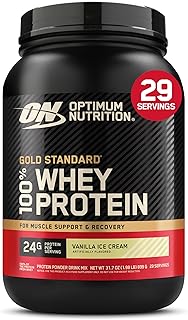 |
| Premier Protein Powder, Chocolate Milkshake, 30g Protein | $25.97 | 4.6 |  |
| Orgain Organic Vegan Protein Powder, Vanilla Bean 2.03lb | $31.52 | 4.5 |  |
| Dymatize ISO 100 Whey Protein Powder, Hydrolyzed, Vanilla 5lb | $108.99 | 4.7 |  |
| Premier Protein Powder, Vanilla Milkshake, 30g Protein | $31.60 | 4.6 |  |
| Transparent Labs Grass-Fed Whey Protein Isolate, French Vanilla | $59.99 | 4.5 |  |
| Body Fortress Super Advanced Whey Protein, Vanilla, 3.9lb | $45.28 | 4.6 |  |
| Six Star Whey Protein Plus, Triple Chocolate, 1.82lb | $24.97 | 4.5 |  |
| Isopure Zero Carb 100% Whey Isolate, Unflavored, 3lb | $89.95 | 4.4 |  |
| Dymatize Elite 100% Whey Protein, Rich Chocolate, 5lb | $76.18 | 4.6 |  |
| Orgain Organic Vegan Protein + 50 Superfoods, Vanilla Bean 2.02lb | $34.15 | 4.6 | 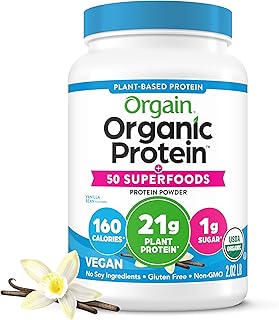 |
| Dymatize ISO100 Fruity Pebbles Whey Protein Isolate, 20 Servings | $42.48 | 4.6 |  |
| Dymatize Super Mass Gainer, Gourmet Vanilla, 8 Servings | $39.98 | 4.5 |  |
| Levels Grass Fed Whey Protein, Pure Chocolate, 2lb | $44.99 | 4.5 |  |
| Vital Proteins Collagen Peptides Powder, Unflavored, 9.33oz | $18.65 | 4.6 |  |
| NAKED Whey Vanilla Protein Powder, 24 Servings | $44.99 | 4.1 |  |
| Nutricost Whey Protein Concentrate, Chocolate, 5lb | $74.95 | 4.5 |  |
| Orgain Organic Unflavored Vegan Protein Powder, 1.59lb | $26.99 | 4.3 |  |
How to Choose the Right Protein Powder
Not all protein powders are created equal. Choose based on your dietary needs:
- Whey protein is fast-absorbing and ideal post-workout. Great for most people, but not suitable for vegans or those with dairy sensitivities.
- Plant-based protein (pea, brown rice, soy) works for vegans and often includes added fiber. Orgain is a top choice.
- Collagen peptides support skin, hair and joints but aren’t a complete protein for muscle building.
- Mass gainers pack extra calories and carbs — use only if you struggle to gain weight.
- Isolates have higher protein content and lower fat/lactose — best for cutting or sensitive stomachs.
Read labels, check third-party testing (like NSF or Informed Choice), and match the product to your goals.
FAQ: Good and Bad Habits
What are the most common bad habits that hold people back?
Common bad habits include procrastination, lack of sleep, poor nutrition, excessive screen time, negative self-talk, ignoring finances and avoiding exercise. These build up over time and create a cycle of low energy, low confidence and low results.
How long does it take to form a good habit?
Research by Dr. Phillippa Lally found that it takes an average of 66 days for a new behavior to become automatic. However, the range is wide — from 18 to 254 days depending on the complexity of the habit and the person. Consistency matters more than speed.
Is protein powder necessary for building muscle?
No, but it makes hitting your protein targets much easier. Whole foods can provide all the protein you need, but a scoop of powder is convenient, quick and often more digestible post-workout. For athletes and busy people, protein powder is a powerful tool.
Can protein powder help with weight loss?
Yes, because protein is highly satiating. Replacing a high-calorie meal or snack with a protein shake can reduce overall calorie intake while preserving muscle mass during a calorie deficit. Products like Premier Protein (1g sugar, 30g protein) are specifically designed for this.
How can I stick to good habits long-term?
Stack new habits onto existing ones (habit stacking), track your progress, start small, and forgive yourself when you slip. Environmental design also helps — keep your protein powder visible, your gym bag packed, and your phone away at bedtime. For a deeper system, read the Ultimate Guide to Changing Habits.
Your habits are your life. Review this list honestly, pick one bad habit to replace and one good habit to start. Then take action today. The person you want to become is only a few consistent choices away.