
We all know the feeling: a long, hard day leaves you drained, and suddenly a bag of chips or a sugary treat seems like the only comfort. This isn’t a lack of willpower—it’s your biology hijacking your choices. The connection between stress, cortisol, and weight gain is real, and it creates a vicious loop that keeps cravings strong.
The good news? You can break that loop with the right habits. In this guide, we’ll explore how stress fuels cravings, why recovery matters, and which tools—including supplements and lifestyle changes—can help you regain control. Let’s dive into the science-backed strategies that actually work.
Table of Contents
Understanding the Stress-Cortisol-Craving Connection
Stress triggers the release of cortisol, your body’s primary stress hormone. In small doses, cortisol is helpful—it sharpens your focus and gives you energy. But chronic stress keeps cortisol levels elevated, which leads to:
- Increased appetite, especially for high-carb, high-fat comfort foods.
- Fat storage around the belly, as cortisol encourages visceral fat accumulation.
- Rewiring of the brain’s reward system, making you crave dopamine hits from food.
This combination makes it incredibly hard to stick to healthy eating plans. You’re not weak; your hormones are working against you. That’s why understanding the stress-recovery loop is the first step to breaking free.
The Stress-Recovery Loop: How Cravings Become a Cycle
Imagine a loop: stress → cortisol spike → craving for energy-dense food → you eat the food → temporary relief → guilt or shame → more stress → higher cortisol → stronger cravings. This loop can repeat daily, gradually sabotaging your weight loss efforts.
Breaking the loop requires two things: lowering baseline cortisol and creating healthier recovery habits. Supplements like Nature’s Bounty Chromium Picolinate (800 mcg, $7.49) help support fat, protein, and sugar metabolism, making it easier to stabilize blood sugar and reduce sugar cravings. Similarly, OLLY Metabolism Gummy Rings ($16.97) combine Apple Cider Vinegar, Vitamin B12, and Chromium for energy and digestive health—perfect for mid-afternoon slumps when cravings strike.

5 Habits That Break the Stress-Recovery Loop
1. Prioritize Sleep and Active Recovery
Sleep is when your body clears out cortisol and resets hunger hormones like ghrelin and leptin. Without 7–9 hours of quality sleep, cravings become nearly impossible to resist. Active recovery—like walking, stretching, or yoga—also lowers cortisol.
Pro tip: Use a weighted vest like the ZELUS Weighted Vest ($28.98, 6–30 lbs) during walks to build muscle while lowering stress. The weight adds resistance, turning a simple walk into a fat-burning, cortisol-reducing session.
2. Eat for Blood Sugar Stability
When your blood sugar crashes, cortisol spikes to bring it back up—and so do cravings. Instead of three large meals, try smaller, balanced meals with protein, fiber, and healthy fats. Supplements can support this process. alli Weight Loss Diet Pills (Orlistat 60 mg, $65.99) block some fat absorption, but they work best when paired with a low-fat diet and stable blood sugar habits.
3. Use Smart Supplements to Curb Cravings
Certain nutrients directly affect cortisol and cravings. Chromium helps insulin sensitivity, reducing sugar cravings. Magnesium calms the nervous system. Apple Cider Vinegar slows glucose spikes.
For a convenient option, try Premium Liquid Collagen for Women ($26.95) with Hyaluronic Acid, Biotin, L-Carnitine, and Apple Cider Vinegar. It supports hair, skin, and nails while also helping you feel fuller longer. Another good choice is Purely Inspired 7-Day Detox Cleanse ($9.99) for a whole-body reset—just don't rely on detoxes alone; combine with sustainable habits.
4. Manage Stress Directly with Movement
Exercise is a double-edged sword: intense workouts can temporarily raise cortisol, while moderate movement lowers it. Aim for 20–30 minutes of brisk walking, cycling, or strength training. Even a Thermogenic Fat Burner Brazilian Lean ($9.99) can give your metabolism a gentle boost, but it's not a substitute for consistent exercise.
5. Create a “Craving Pause” Ritual
When a craving hits, pause for 60 seconds. Drink a glass of water, step outside, or do deep breathing. This interrupts the automatic loop. Over time, you train your brain to respond, not react.
When Habits Aren’t Enough: Medical Options
For some people, chronic stress and weight gain are deeply rooted in hormonal imbalances or genetic factors. In those cases, prescription medications like Phendimetrazine ($4.00), Zepbound ($25.00), and Contrave ($50.00) may be appropriate under a doctor’s supervision. These are not first-line treatments, but they can help break the loop when combined with lifestyle changes.

Comparison Table: Top Products to Support Your Stress-Recovery Loop
| Product | Price | Rating | Key Benefit | Buy at Amazon |
|---|---|---|---|---|
| Thermogenic Fat Burner Brazilian Lean | $9.99 | 4.1 | Boosts metabolism & reduces bloating |  |
| Nature's Bounty Chromium Picolinate | $7.49 | 4.5 | Supports sugar metabolism & reduces cravings | |
| alli Weight Loss Diet Pills | $65.99 | 4.2 | Blocks fat absorption (Orlistat) |  |
| OLLY Metabolism Gummy Rings | $16.97 | 4.3 | Energy & digestive support with ACV & Chromium | 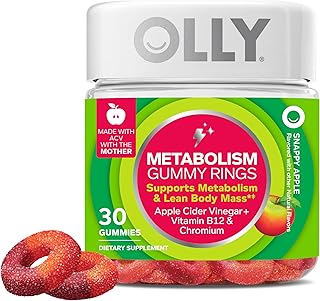 |
| Premium Liquid Collagen | $26.95 | 4.4 | Collagen + ACV for fullness & beauty |  |
| ZELUS Weighted Vest | $28.98 | 4.6 | Turns walks into fat-burning, stress-reducing workouts | 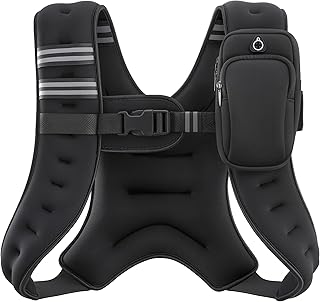 |
| Purely Inspired 7-Day Detox Cleanse | $9.99 | 4.2 | Whole body cleanse with Senna & probiotics |  |
| Phendimetrazine | $4.00 | Prescription | Appetite suppressant (under medical supervision) |  |
| Zepbound | $25.00 | Prescription | Weight loss injection (tirzepatide) | |
| Contrave | $50.00 | Prescription | Combination therapy for weight management |  |
FAQ: Stress, Cortisol, and Cravings
Q: How long does it take to break the stress-recovery loop?
A: Most people start seeing reduced cravings within 2–4 weeks of consistent habits like better sleep, balanced meals, and stress management. Supplements can accelerate the process but are not a quick fix.
Q: Can supplements alone stop cravings?
A: No. Supplements like chromium or collagen support metabolism and fullness, but they work best when combined with lifestyle changes. They’re tools, not magic pills.
Q: Is it safe to take multiple supplements together?
A: Always check with a healthcare provider before stacking supplements, especially if you’re on medication. Some ingredients (like caffeine in thermogenics) can raise cortisol if overused.
Q: Should I try prescription weight loss drugs?
A: Prescription options like Zepbound, Contrave, or Phendimetrazine are for people with obesity or related conditions. They require a doctor’s approval and are not for casual use.
Q: What’s the single most effective habit for reducing cravings?
A: Prioritizing high-quality sleep. Without it, cortisol stays high and cravings spike regardless of other efforts.
Your Next Step: Build One Habit Today
The stress-recovery loop doesn’t have to control your life. Start with one small habit—maybe a 10-minute walk with a weighted vest, or swapping an afternoon snack for an OLLY Metabolism Gummy Ring. Each positive action weakens the loop and strengthens your resilience.
Remember, weight loss is not just about calories—it’s about calming the stress response that drives overeating. By building recovery habits and using smart support like Nature’s Bounty Chromium or the ZELUS Weighted Vest, you’re not just losing weight; you’re reclaiming your health from the inside out.