
You’ve been hitting the gym hard, eating clean, and still the scale won’t budge. Worse, you feel exhausted, irritable, and your sleep is suffering. Are you overtraining, or is it everyday stress hijacking your progress? The answer isn’t always obvious, but confusing the two can stall your weight loss and even damage your health. In this article, we’ll break down the differences between overtraining and chronic stress, how they affect cortisol and weight gain, and exactly what your body is asking for—so you can finally break the plateau and feel human again.
Table of Contents
The Hidden Link: Cortisol, Stress, and Overtraining
Cortisol is your body’s primary stress hormone. It’s released when you’re under pressure—whether from a tight deadline, a tough workout, or lack of sleep. A little cortisol is fine; it helps you wake up and respond to threats. But when cortisol stays elevated for too long, it signals your body to store fat (especially around the belly), break down muscle, and hold onto weight.
Overtraining and chronic stress both raise cortisol, but they come from different sources. Overtraining is physical: too much exercise without enough recovery. Stress is often mental, emotional, or lifestyle-related: work, relationships, financial worries, or poor sleep. The tricky part? They feel almost identical. Fatigue, irritability, weight gain, and poor recovery can stem from either—or both.
Understanding which one is driving your symptoms is the key to unlocking weight loss and better health.
Signs of Overtraining vs. Signs of Stress
Let’s look at the typical symptoms side by side. While there is overlap, certain clues point in one direction more than the other.
| Symptom | Overtraining | Chronic Stress |
|---|---|---|
| Persistent fatigue after workouts | Strong link | Weak link |
| Decreased performance in the gym | Strong link | Moderate link |
| Increased resting heart rate | Common | Less common |
| Poor sleep quality | Common | Very common |
| Cravings for carbs and sugar | Moderate | Strong |
| Feeling overwhelmed or anxious | Occasional | Core symptom |
| Weight gain despite disciplined eating | Possible | Very common |
| Muscle soreness that won’t go away | Strong link | Weak link |
If your fatigue is tied to your training volume and your performance is dropping, overtraining is likely the culprit. If you’re constantly anxious, have trouble switching off, and crave comfort foods, stress is dominating.
How Overtraining and Stress Sabotage Weight Loss
Both conditions raise cortisol. And high cortisol tells your body to:
- Store visceral fat – the dangerous belly fat linked to metabolic disease.
- Break down muscle – lowering your resting metabolic rate.
- Increase appetite – especially for high-calorie, high-sugar foods.
- Disrupt sleep – which further raises cortisol the next day.
When you try to lose weight by exercising more while stressed, you actually dig the hole deeper. More cortisol means your body resists fat burning. That’s why many people hit a plateau or even gain weight when they double down on workouts during stressful periods.
The solution is not to push harder. It’s to listen to your body and give it what it actually needs.
What Your Body Needs Now: Recovery or Stress Management?
You don’t have to guess. Use this simple checklist to identify your dominant issue:
If you suspect overtraining:
- Take 3–5 full rest days from intense exercise.
- Focus on active recovery: walking, stretching, yoga.
- Increase sleep by at least one hour per night.
- Prioritize protein to repair muscle.
If you suspect chronic stress:
- Reduce exercise intensity—swap HIIT for steady-state cardio or casual walks.
- Add meditation, deep breathing, or journaling to your daily routine.
- Set boundaries around work and screen time.
- Get sunlight early in the morning to regulate your circadian rhythm.
Often, you need both: less intense training and better stress management. The key is tuning in to what your body is telling you, not what your ego wants.
Supporting Your Body with Quality Tools and Supplements
Sometimes your body needs a little extra help to break the cortisol–weight gain cycle. Here are proven tools and supplements that can support recovery, metabolism, and stress resilience.
ZELUS Weighted Vest
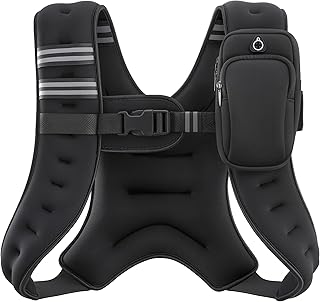
A ZELUS Weighted Vest adds resistance to your walks or recovery sessions without spiking cortisol. Use it for low-intensity, fat-burning movement instead of high-stress HIIT. It’s adjustable (up to 30 lb) and breathable—perfect for rebuilding strength without overtraining.
Nature’s Bounty Chromium Picolinate

Chromium Picolinate helps stabilize blood sugar, reducing sugar cravings that often spike from stress. At only $7.49 with a 4.5-star rating, it’s an affordable way to support metabolism.
OLLY Metabolism Gummy Rings
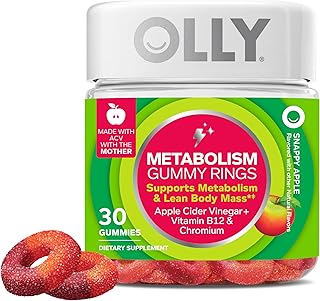
OLLY Metabolism Gummy Rings combine apple cider vinegar, vitamin B12, and chromium in a tasty gummy. They can support digestion and energy while you’re recovering from stress or overtraining.
Premium Liquid Collagen for Weight Loss

Premium Liquid Collagen includes hyaluronic acid, biotin, and L-carnitine to support muscle recovery, hair, and skin—all things that suffer under chronic stress.
Thermogenic Fat Burner – Brazilian Lean

Brazilian Lean is a thermogenic fat burner designed to support metabolism and reduce bloating, at just $9.99. Use it gently while your cortisol is dropping—don’t overstimulate.
Other Support Options
- alli Weight Loss Diet Pills – orlistat blocks fat absorption ($65.99, 4.2 stars).
- Purely Inspired 7-Day Detox Cleanse – helps reset digestion with senna leaf and ACV ($9.99, 4.2 stars).
- Phendimetrazine – prescription appetite suppressant (consult your doctor).
- Zepbound – GLP-1 medication for weight loss ($25).
- Contrave – prescription combination therapy for weight management ($50).
Quick Comparison: Top Stress & Overtraining Support Products
| Product | Price | Rating | Key Benefit | Buy at Amazon |
|---|---|---|---|---|
| ZELUS Weighted Vest |
$28.98 | 4.6 | Low-impact resistance training | Buy Now |
| Nature’s Bounty Chromium |
$7.49 | 4.5 | Blood sugar & cravings | Buy Now |
| OLLY Metabolism Gummies |
$16.97 | 4.3 | Energy & digestion | Buy Now |
| Premium Liquid Collagen |
$26.95 | 4.4 | Recovery & beauty | Buy Now |
| Brazilian Lean Fat Burner |
$9.99 | 4.1 | Thermogenic + bloating | Buy Now |
FAQ
1. Can overtraining cause weight gain?
Yes. Overtraining raises cortisol, which promotes fat storage (especially belly fat) and muscle breakdown. It also disrupts sleep and increases appetite, making it harder to lose weight despite working out more.
2. How do I know if I’m overtraining vs. stressed?
Look at your performance in the gym. If your strength, endurance, or speed is dropping despite consistent effort, it’s likely overtraining. If your main symptoms are anxiety, worry, and poor sleep linked to life events, stress is the primary driver.
3. Should I exercise when I’m stressed?
Yes, but keep it low intensity. Walking, yoga, and light resistance training can lower cortisol. Avoid heavy lifting, HIIT, or endurance work until your stress levels return to baseline.
4. How long does it take to recover from overtraining?
Depending on the severity, rest and recovery (including sleep, nutrition, and reduced training) can take 1–2 weeks for mild cases, up to several months for severe overtraining syndrome.
5. What supplements help lower cortisol?
Magnesium, ashwagandha, L-theanine, and omega-3s are well-studied cortisol reducers. Chromium (like Nature’s Bounty Chromium Picolinate) also helps stabilize blood sugar, which indirectly lowers cortisol spikes.
6. Can stress cause belly fat even if I eat healthy?
Absolutely. High cortisol promotes visceral fat storage. Even a clean diet may not prevent it if cortisol is chronically elevated due to stress or overtraining.
7. Is it okay to use weight loss pills while stressed?
Only if you manage the underlying stress first. Pills like Brazilian Lean can support metabolism, but using stimulants while stressed can further raise cortisol. Always prioritize recovery and sleep.
8. What’s the first step to break the cortisol–weight gain cycle?
Stop pushing. Take a few days of full rest from intense exercise, improve sleep, and add gentle movement. Then test whether your energy and mood improve. That tells you whether overtraining or stress was the main issue.
Final thought: Your body isn’t broken—it’s signaling you to slow down. Respect the signal. When you align your training and lifestyle with what your body actually needs, weight loss becomes natural again.