
Losing weight is an achievement, but keeping it off is where the real challenge begins. Many people regain lost pounds within a year because they focus only on calorie cutting instead of building sustainable nutritional habits. The key to long‑term weight maintenance lies in two powerful nutrients: protein and fiber. They work together to keep you full, preserve metabolism, and stabilize blood sugar.
This article explains how protein and fiber support the maintenance phase, and how you can use tools like Zepbound and Contrave as part of a comprehensive strategy. Whether you’re fresh off a weight‑loss journey or looking to prevent future gain, understanding these nutrients will set you up for lasting success.
Table of Contents
Why Protein is Crucial for Keeping Weight Off
Protein does more than build muscle – it’s a metabolic powerhouse. When you eat enough protein, your body burns more calories during digestion (the thermic effect of food) and signals satiety hormones that keep cravings at bay.
Preserving lean muscle mass is especially important during maintenance. Muscle tissue burns more calories at rest than fat does, so a higher protein intake helps your metabolism stay active even when you’re not exercising. Aim for 1.2–1.6 grams of protein per kilogram of body weight daily.
- Reduces hunger and prevents overeating
- Increases energy expenditure after meals
- Supports muscle repair and metabolic rate
For an extra boost, many people turn to supplements like Premium Liquid Collagen for Women Weight Loss & Beauty. This multi‑collagen shot contains hyaluronic acid, biotin, and L‑carnitine – ingredients that support both weight management and skin health.
The Power of Fiber for Long‑Term Weight Control
Fiber is the unsung hero of weight maintenance. It adds bulk to meals, slows digestion, and feeds your gut microbiome. Soluble fiber, in particular, forms a gel that helps you feel full for hours and blunts blood‑sugar spikes after eating.
Why fiber matters for the maintenance phase:
| Benefit | How it works |
|---|---|
| Satiety | Expands in the stomach, signaling fullness |
| Blood‑sugar control | Slows carbohydrate absorption |
| Gut health | Feeds beneficial bacteria that regulate appetite |
Most adults only get about 15 grams of fiber per day, but the recommended amount is 25–35 grams. Gradually increase your intake from whole foods like vegetables, legumes, oats, and chia seeds. Avoid sudden jumps, which can cause bloating.
Some find that gentle detox support aids regularity. Purely Inspired 7‑Day Detox Cleanse combines senna leaf, apple cider vinegar, digestive enzymes, and probiotics – a convenient way to reset your digestive system while maintaining nutrient‑dense eating.
How to Combine Protein and Fiber for Maximum Results
Pairing protein with fiber at every meal creates a powerful synergy. Protein keeps you full, while fiber slows the release of that fullness over several hours. This combination naturally reduces total calorie intake without deprivation.
Sample daily structure:
- Breakfast: Scrambled eggs with spinach and black beans (protein + fiber)
- Lunch: Grilled chicken salad with quinoa and avocado
- Snack: Greek yogurt with raspberries and a tablespoon of chia seeds
- Dinner: Salmon with roasted vegetables and lentils
If you need extra support, Nature’s Bounty Chromium Picolinate (800 mcg) helps metabolize fats, protein, and sugar. Chromium works best when paired with a balanced diet rich in both nutrients.
Real‑World Tools and Supplements to Support Your Journey
The maintenance phase often requires more than just diet changes. Many people benefit from targeted supplements, wearable gear, or medical options. Below are several tools that align with a protein‑ and fiber‑focused plan.
Metabolism Boosters
OLLY Metabolism Gummy Rings deliver apple cider vinegar, vitamin B12, and chromium in a tasty chewable form. They support energy and digestive health – perfect for those who struggle with afternoon slumps.
Thermogenic Fat Burner Brazilian Lean targets bloating and thermogenesis. While not a substitute for protein and fiber, it can complement a clean lifestyle when used as directed.
Fitness Equipment
Strength training is a cornerstone of weight maintenance. The ZELUS Weighted Vest comes in weights from 6 to 30 pounds with a reflective stripe for safety. Wearing it during walks or bodyweight exercises increases calorie burn while preserving muscle.
Medical‑Grade Options
For those with significant weight to maintain, prescription aids may be part of the picture. Zepbound and Contrave are FDA‑approved for chronic weight management. Phendimetrazine is another appetite suppressant that can be used short‑term. These should always be used under medical supervision.
Comparison of Popular Non‑Prescription Support Supplements
| Product | Price | Rating | Key Ingredients | Best For | Buy Link |
|---|---|---|---|---|---|
 Nature's Bounty Chromium Picolinate Nature's Bounty Chromium Picolinate |
$7.49 | 4.5 ⭐ | Chromium 800 mcg | Metabolism support, fat/protein metabolism | Buy at Amazon |
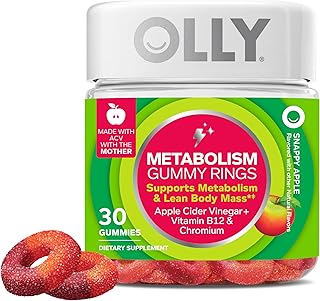 OLLY Metabolism Gummy Rings OLLY Metabolism Gummy Rings |
$16.97 | 4.3 ⭐ | Apple cider vinegar, B12, chromium | Energy & digestive health | Buy at Amazon |
 Premium Liquid Collagen Premium Liquid Collagen |
$26.95 | 4.4 ⭐ | Collagen, hyaluronic acid, L‑carnitine | Protein boost & beauty | Buy at Amazon |
Alli Weight Loss Diet Pills (orlistat 60 mg) block dietary fat absorption but work best when combined with a fiber‑rich, lower‑fat diet. It has over 28,600 reviews and a 4.2 rating.
Expert Tips for Building Sustainable Habits
Weight maintenance isn’t about perfection – it’s about consistency. Here are practical ways to make protein and fiber work for you for years to come:
- Start your day with protein. Breakfast sets the tone for appetite control.
- Add vegetables to every meal. They are the most affordable source of fiber.
- Drink plenty of water. Fiber needs fluid to work its magic.
- Use a food scale or tracking app for a few weeks to calibrate portion sizes.
- Re‑evaluate your supplements seasonally. Your needs change with activity levels and stress.
FAQ
How much protein should I eat daily for weight maintenance?
Most experts recommend 1.2–1.6 grams per kilogram of body weight. For a 150‑pound (68 kg) person, that equals 82–109 grams of protein per day.
Can fiber alone help me keep weight off?
Fiber is essential, but it works best alongside protein and strength training. Without adequate protein, you may lose muscle mass, which slows metabolism.
Are supplements like alli or Contrave safe for long‑term use?
Alli (orlistat) is approved for over‑the‑counter use, but prolonged use should be discussed with a doctor. Contrave and Zepbound are prescription‑only and require ongoing monitoring.
What if I don’t like eating meat? How can I get enough protein?
Plant‑based options like tofu, lentils, quinoa, and edamame are excellent. Collagen supplements such as Premium Liquid Collagen can also fill gaps.
Should I take chromium picolinate every day?
Nature’s Bounty Chromium Picolinate is generally safe for daily use, but follow the label. It helps metabolize nutrients, not replace them.
JSON‑LD FAQ Schema (click to view)
Weight maintenance is a lifelong journey, but protein and fiber give you the tools to succeed. Pair a nutrient‑dense diet with smart supplements like Nature’s Bounty Chromium or a weighted vest from ZELUS to keep your metabolism active. And remember – small, consistent habits always beat drastic short‑term fixes.