
Reaching your weight loss goal is a monumental achievement. But the real challenge begins now: the maintenance phase. Keeping the weight off requires a shift in mindset and strategy, especially when it comes to preserving strength and staying active. Without a solid plan, it’s easy to slide back into old habits.
This guide will help you transition from a weight loss mentality to a maintenance lifestyle. You’ll learn how to protect your hard-earned muscle, keep your metabolism humming, and stay motivated for the long haul. Whether you’ve lost 20 pounds or 100, these principles apply to everyone.
Table of Contents
Why Maintenance Requires a Different Mindset
During weight loss, the focus is often on a calorie deficit and high energy expenditure. But once you hit your target, your body’s energy needs change. If you keep eating and exercising the same way, you may either plateau or, worse, start losing muscle mass.
Maintenance is about balance. You need enough calories to fuel your workouts without gaining fat. And you need a workout routine that preserves lean tissue while keeping you active and healthy. It’s not about “toning down” — it’s about smart progression.
Think of it as the long-term investment phase. Short-term tools like  can give you a metabolism boost, but they’re not meant to replace solid nutrition and training. Use them sparingly, if at all, during maintenance.
Strength Training Foundations for Long-Term Success
The number one way to keep your strength after weight loss is to lift heavy at least 2–3 times per week. Compound movements like squats, deadlifts, bench presses, and rows engage multiple muscle groups and trigger anabolic hormones that help you hold onto muscle.
- Progressive overload is key. Add weight, reps, or sets gradually to avoid plateaus.
- Recovery matters just as much. Muscles repair while you rest, so don’t overtrain.
- Focus on form. With less body fat, your technique becomes even more important to prevent injuries.
If you need extra resistance without hitting the gym, consider a ZELUS Weighted Vest. At $28.98, it’s a low-cost way to add load to bodyweight exercises, and it’s rated 4.6 stars by over 15,000 users.
Staying Active Without Burning Out
Cardio is still important for heart health and calorie balance, but you don’t need to run marathons. Aim for 150 minutes of moderate activity per week. Mix it up:
- Brisk walking or hiking
- Cycling or swimming
- Dance or yoga
- Short high-intensity intervals (once or twice a week)
Listen to your body. If you feel exhausted, take a rest day. Burnout is the enemy of consistency. The maintenance phase is a marathon, not a sprint.
Nutritional Support for Muscle and Energy
Your diet needs to support your activity level. Protein becomes even more critical — aim for at least 1.6g per kg of body weight. This helps repair muscle fibers after workouts.
Metabolic health also plays a role. Supplements like  and OLLY Metabolism Gummy Rings can support sugar and fat metabolism, making it easier to maintain energy levels. The Nature's Bounty tablets have a stellar 4.5 rating, while OLLY’s gummies are a tasty 4.3-star option.
The Role of Targeted Supplements
Supplements are not magic bullets, but they can fill gaps when used wisely. During maintenance, some people turn to aids like alli Weight Loss Diet Pills (prescription-strength support) or Purely Inspired 7-Day Detox Cleanse for a reset. However, these are best used short-term.
Another popular option is Premium Liquid Collagen with hyaluronic acid and biotin. It supports skin elasticity and joint health — both important when you’re training harder. With a 4.4 rating, it’s a solid pick.
For those who need medical assistance, prescription options like Zepbound, Contrave, and Phendimetrazine are available through Amazon Pharmacy. These are typically used under a doctor’s supervision.
Comparison of Popular Maintenance Support Products
Here’s a quick look at some top-rated options to help you maintain your weight and energy:
| Product | Price | Rating | Best For | Buy at Amazon |
|---|---|---|---|---|
|
$7.49 | 4.5 / 5 | Sugar & fat metabolism | Shop Now |
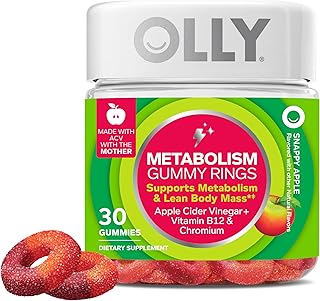 |
$16.97 | 4.3 / 5 | Energy & digestive health | Shop Now |
|
$9.99 | 4.1 / 5 | Thermogenic boost | Shop Now |
 |
$26.95 | 4.4 / 5 | Skin, hair & joint support | Shop Now |
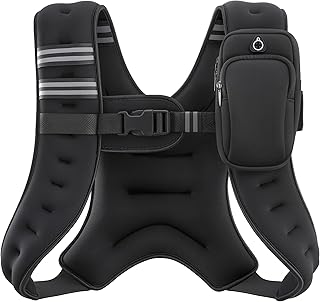 |
$28.98 | 4.6 / 5 | Adding resistance to workouts | Shop Now |
Sample Weekly Workout Routine for Maintenance
Monday – Full body strength (squats, bench press, rows)
Tuesday – 30 minute walk + core work
Wednesday – Upper body strength + HIIT (15 mins)
Thursday – Active recovery (yoga or stretching)
Friday – Lower body strength (deadlifts, lunges, calf raises)
Saturday – Fun activity (hike, bike ride, sports)
Sunday – Rest
Adjust volume based on your energy. The goal is to feel strong and motivated, not drained.
Tracking Progress Without Obsession
Weigh yourself weekly, but also track other metrics: how your clothes fit, your energy levels, and your workout performance. The number on the scale can fluctuate due to water retention or muscle gain. Focus on consistency rather than perfection.
If you notice a slight weight regain, don’t panic. Tweak your calorie intake or add an extra workout session. Maintenance is about making small adjustments over time.
FAQ – Workout Maintenance After Weight Loss
Q: How often should I lift weights during the maintenance phase?
A: Aim for 2–4 strength sessions per week focusing on compound lifts. This preserves muscle without overtraining.
Q: Can I use supplements forever to keep the weight off?
A: Supplements are best used in cycles or as needed. Build a solid foundation of nutrition and exercise first, then consider them for targeted support.
Q: What’s the most important factor in keeping strength after weight loss?
A: Adequate protein intake and consistent resistance training. Without these, your body may break down muscle for energy.
Q: Should I do more cardio or lifting for maintenance?
A: Prioritize lifting for muscle preservation. Cardio is great for heart health, but too much can interfere with recovery and muscle growth.
Maintaining strength and activity after weight loss is entirely possible with the right plan. Stay consistent, listen to your body, and use the tools available to support your journey. Your maintenance phase is a celebration of your success — keep moving, keep lifting, and enjoy the new you.