
You’ve heard it a thousand times: get more sleep to lose weight. But simply clocking eight hours isn’t enough. What matters is what’s happening inside those hours. Sleep tracking can help you uncover the hidden patterns that sabotage your metabolism, hunger hormones, and recovery.
For anyone pursuing weight loss, sleep is a non-negotiable pillar. Yet most beginners focus on the wrong numbers. They obsess over “time in bed” while ignoring sleep efficiency, deep sleep, and consistency. This guide cuts through the noise. You’ll learn the metrics that actually drive fat loss, how to track them, and which tools (including smart supplements) can give you an edge.
Table of Contents
Why Sleep Matters for Weight Loss
Poor sleep disrupts two key hormones: ghrelin (the hunger hormone) and leptin (the fullness hormone). When you’re sleep-deprived, ghrelin spikes and leptin plummets. You crave carbs, sugar, and calorie-dense foods. Your willpower doesn’t stand a chance.
Your body also burns fewer calories at rest after a bad night. Research shows that just one week of shortened sleep can reduce resting metabolic rate by 5–8%. That’s a slow leak in your fat-loss efforts. Worse, sleep debt raises cortisol, which encourages belly fat storage.
Tracking your sleep isn’t about vanity metrics. It’s about identifying the specific weaknesses that hold your progress back. The right data turns sleep from a passive habit into an active weight-loss tool.
The Metrics That Actually Matter
Beginners often get lost in a sea of numbers: heart rate variability, breathing rate, oxygen saturation, movement. While those can be interesting, only a handful directly influence weight loss. Focus here first.
Total Sleep Time (The Basics)
This is the bare minimum. For most adults, 7–9 hours is the sweet spot for optimal metabolic function. Below seven hours, your body produces less growth hormone and more cortisol. Above nine hours (if it’s not recovery from sleep debt) may indicate poor sleep quality.
Track it, but don’t stop there. Total time means little if you spend half the night tossing.
Sleep Efficiency
Sleep efficiency is the percentage of time you actually sleep while in bed. A score above 85% is considered healthy. Below that, you may be spending too much time trying to fall asleep or waking frequently.
Why it matters for weight loss: Low sleep efficiency often means fragmented sleep, which reduces the amount of restorative deep and REM stages. Fragmented sleep has been linked to increased cravings and reduced fat oxidation the next day.
Deep Sleep
Deep sleep (slow-wave sleep) is when your body releases growth hormone, repairs tissues, and clears metabolic waste. It’s also the stage most linked to fat metabolism.
If your tracker shows less than 60–90 minutes of deep sleep per night, your body isn’t optimizing its fat-burning machinery. You might wake feeling physically unrefreshed.
REM Sleep
REM sleep is where your brain processes emotions and consolidates learning. For weight loss, it plays a critical role in decision-making and impulse control. After insufficient REM, you’re more likely to make poor food choices and overeat.
Aim for roughly 20–25% of your total sleep in REM. Most consumer trackers estimate this reasonably well once calibrated.
Sleep Consistency: The Overlooked Game-Changer
Going to bed and waking at the same time every day (even weekends) synchronizes your circadian rhythm. That rhythm controls when you metabolize fat, release hormones, and feel hungry.
Inconsistent sleep schedules confuse your body. Your metabolism becomes less efficient at using stored fat for energy. Even if total sleep is adequate, shifting your bedtime by two hours on Saturday can undo some of the week’s progress.
Track your bedtime and wake time variability. A variance of less than 30 minutes is ideal.
How to Track These Metrics
You don’t need a lab-grade polysomnogram. A simple wearable or app can give you useful trends. Here’s what to look for in a tracker:
- Accelerometer + heart rate sensor (for sleep stage estimation)
- Automatic sleep detection (no manual start/stop)
- History trends (not just last night’s numbers)
Most smartwatches, fitness bands, and even some rings provide these. The key is consistency: wear it every night and compare week-over-week averages, not single-night dips.
Using Sleep Data to Optimize Weight Loss
Once you have a week of baseline data, look for patterns:
- Short deep sleep? Try cooling your bedroom (around 65°F / 18°C), cutting alcohol before bed, and doing light strength training earlier in the day.
- Low sleep efficiency? Reduce screen time 60 minutes before bed, avoid caffeine after 2 PM, and establish a wind-down routine.
- Inconsistent bedtimes? Set a nightly alarm for “get ready for bed,” not just for waking up. Use the same sleep schedule every day, even if you have to gradually shift it by 15 minutes per day.
You can also support your sleep and metabolism with targeted supplements. Always talk to a doctor before adding anything, but several evidence-backed options exist.
Complementary Tools for Sleep + Weight Loss
Smart sleep tracking works best as part of a holistic routine. The following Amazon products can help bridge the gap between your sleep data and real-world results.
Nature’s Bounty Chromium Picolinate

Chromium is a mineral that supports sugar and fat metabolism. When your sleep is off, blood sugar regulation suffers, leading to cravings. This supplement provides 800 mcg per tablet to help stabilize glucose response.
Price: $7.49 | Rating: ⭐4.5 (8,600 reviews)
OLLY Metabolism Gummy Rings

A tasty chewable with apple cider vinegar, vitamin B12, and chromium. It’s designed to support energy and digestive health. Pair it with consistent sleep to get the most out of your morning metabolism.
Price: $16.97 | Rating: ⭐4.3 (7,100 reviews)
ZELUS Weighted Vest
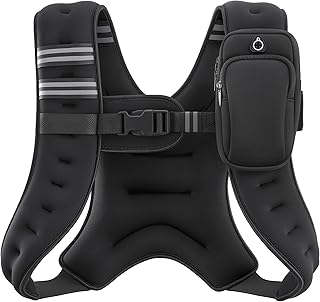
Daytime exercise improves sleep quality. A weighted vest adds intensity to walks, jogging, or strength training without requiring new equipment. Better workouts → deeper sleep → more effective fat burning.
Price: $28.98 | Rating: ⭐4.6 (15,900 reviews)
Premium Liquid Collagen for Weight Loss & Beauty

Collagen supports skin, hair, and joints, but it’s also a source of glycine, an amino acid that can improve sleep quality. This liquid shot includes L-carnitine and apple cider vinegar for an added metabolic boost.
Price: $26.95 | Rating: ⭐4.4 (3,200 reviews)
Comparison Table
| Product | Key Benefit | Price | Rating | Buy at Amazon |
|---|---|---|---|---|
 |
Blood sugar & metabolism support | $7.49 | 4.5 | Buy Now |
|
Energy & digestive health | $16.97 | 4.3 | Buy Now |
|
Workout intensity & sleep quality | $28.98 | 4.6 | Buy Now |
|
Sleep & metabolic support | $26.95 | 4.4 | Buy Now |
Avoiding Common Beginner Mistakes
- Don’t obsess over single-night data. One bad night isn’t a trend. Look at 7-day or 14-day averages.
- Don’t ignore the “low-hanging fruit.” Before buying supplements, fix your bedtime consistency and caffeine timing. They’re free and powerful.
- Don’t rely on sleep tracking to diagnose a disorder. If you consistently feel exhausted after 8 hours or snore loudly, see a doctor. Sleep apnea can severely impact weight loss.
FAQ
Q: Can sleep tracking really help me lose weight?
A: Yes, by identifying specific gaps (like low deep sleep or inconsistent bedtimes) that you can correct. Better sleep improves hormone regulation and reduces cravings.
Q: What’s the most important sleep metric for fat loss?
A: Deep sleep. It’s when your body repairs tissues and metabolizes fat. Aim for at least 60–90 minutes per night.
Q: Do I need an expensive device?
A: No. Many budget fitness bands (under $50) track sleep stages with reasonable accuracy. The key is using the data to adjust your habits.
Q: Should I take sleep supplements if my tracking shows poor sleep?
A: Always consult a doctor first. Supplements like magnesium glycinate or glycine can help, but they work best alongside good sleep hygiene.
Q: How long until I see weight loss results from better sleep?
A: Most people notice reduced cravings within a few days of sleeping 7–9 hours consistently. Actual fat loss takes weeks and depends on diet and exercise.
Start Tracking, Start Winning
Sleep tracking isn’t about becoming a data nerd. It’s about giving yourself the feedback loop to make small nightly improvements that compound into real weight loss. Focus on sleep efficiency, deep sleep, and consistency. Pair that with smart nutrition and movement, and you’ve built a foundation that lasts.
Pick one metric to improve this week. Use your tracker’s trends, not your feelings, to guide you. And if you want extra support, the supplements and gear above can help fill the gaps your sleep data reveals.
Your best weight-loss nights are ahead.