
If you’re serious about losing weight, you’ve probably already cut back on sugar and started moving more. But there’s one habit that might be quietly undermining all your efforts—drinking caffeine too late in the day.
Coffee, tea, energy drinks, and even some weight loss supplements can disrupt your sleep. And poor sleep is one of the biggest roadblocks to fat loss. The key isn’t to give up caffeine entirely—it’s to time it right. In this article, you’ll learn exactly when to stop drinking caffeine and why that simple change can supercharge your weight loss journey.
Table of Contents
The Science Behind Caffeine and Sleep
Caffeine is a powerful stimulant that blocks adenosine receptors in your brain. Adenosine is the chemical that makes you feel sleepy. When you consume caffeine, you artificially delay that drowsiness.
But here’s the problem: caffeine has a half‑life of about 5–6 hours. That means if you drink a cup of coffee at 4 PM, half of it is still in your system at 9 or 10 PM. That can reduce your total sleep time, lower sleep quality, and even suppress deep sleep stages.
Deep sleep is when your body repairs muscle, balances hormones, and burns fat. Without enough of it, your metabolism slows down and cravings increase.
How Poor Sleep Sabotages Weight Loss
When you don’t sleep well, your body pays the price in multiple ways:
- Hormone imbalance – Sleep deprivation raises cortisol (stress hormone) and lowers leptin (the hormone that tells you you’re full). It also increases ghrelin, which makes you feel hungrier.
- Insulin resistance – Even one night of poor sleep can make your cells less responsive to insulin, leading to more fat storage.
- Reduced willpower – Tired brains crave high‑calorie, sugary foods. You’re more likely to reach for a donut than a salad.
- Lower resting energy expenditure – You burn fewer calories at rest when you’re sleep‑deprived.
All of these factors directly work against your weight loss goals. And the biggest thief of quality sleep? You guessed it—late‑day caffeine.
When to Stop Drinking Caffeine for Optimal Weight Loss
General rule of thumb: stop caffeine at least 8 hours before bedtime. For most people with a 10 PM bedtime, that means no caffeine after 2 PM. But everyone metabolizes caffeine differently.
Factors to consider:
- Genetics – Some people are “slow metabolizers” and feel caffeine’s effects for 12+ hours.
- Age – Older adults tend to clear caffeine more slowly.
- Medications – Certain drugs (including some weight loss medications) can interact with caffeine.
- Daily tolerance – Habitual drinkers may feel less effect, but the disruption to sleep architecture still occurs.
If you struggle with weight loss despite a good diet and exercise, try moving your last caffeine dose to noon. Many people see a noticeable improvement in sleep and fat loss within a week.
Why Timing Matters: The Circadian Rhythm
Your body’s internal clock, or circadian rhythm, regulates when you feel alert and when you feel sleepy. Cortisol naturally peaks in the morning to help you wake up. Drinking caffeine in the late afternoon or evening interferes with that natural cycle.
When caffeine lingers in your system at night:
- Your pineal gland produces less melatonin (the sleep hormone).
- Your core body temperature stays higher, which delays sleep onset.
- You spend less time in restorative slow‑wave sleep.
Poor sleep quality directly reduces fat oxidation (the process of burning fat for energy). One study found that people who slept only 5.5 hours per night lost 55% less fat than those who slept 8.5 hours—even though they consumed the same number of calories.
To protect your circadian rhythm, treat caffeine like a morning tool, not an afternoon crutch.
How to Gradually Reduce Late‑Day Caffeine
Cutting caffeine cold‑turkey can cause withdrawal headaches and fatigue. Instead, taper down over a week or two.
Step‑by‑step plan:
- Track your intake – Write down when and how much caffeine you consume each day.
- Identify your cutoff – Decide on a stop time (e.g., 2 PM) and stick to it.
- Swap wisely – Replace afternoon coffee with herbal tea, decaf, or a glass of water.
- Avoid hidden sources – Some weight loss supplements, pre‑workouts, and even “energy” waters contain caffeine. Check labels.
- Use a sleep aid – If you have trouble falling asleep earlier, consider a weighted vest (like the ZELUS Weighted Vest) to promote relaxation, or a gentle detox like Purely Inspired 7-Day Detox Cleanse to reset your system.
Products That Support Sleep and Weight Loss
While timing your caffeine is critical, certain supplements and tools can help you sleep better and lose weight more effectively. Below are some top‑rated options from Amazon that align with the “sleep optimization for weight loss” pillar.
Comparison Table of Recommended Products
| Product | Key Features | Price | Buy at Amazon |
|---|---|---|---|
| alli Weight Loss Diet Pills | Blocks fat absorption, 120 capsules, non‑prescription | $65.99 |  |
| Nature's Bounty Chromium Picolinate | Supports sugar metabolism, 800 mcg, 50 tablets | $7.49 |  |
| OLLY Metabolism Gummy Rings | Apple cider vinegar, B12, chromium, 30 gummies | $16.97 |  |
| Premium Liquid Collagen (Weight Loss & Beauty) | Collagen, biotin, L‑carnitine, apple cider vinegar | $26.95 |  |
| ZELUS Weighted Vest | 6–30 lbs, reflective stripe, for strength & cardio | $28.98 | 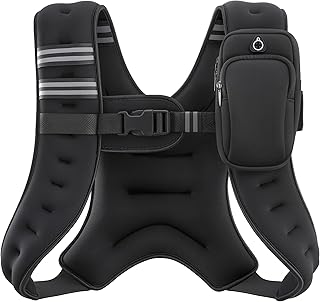 |
| Purely Inspired 7-Day Detox Cleanse | Senna leaf, ACV, probiotics, 42 capsules | $9.99 |  |
| Thermogenic Fat Burner Brazilian Lean | Thermogenic blend, bloating support, 60 caps | $9.99 |  |
Note: The prescription medications Phendimetrazine, Zepbound, and Contrave are available with a doctor’s prescription and can be used as part of a comprehensive weight loss plan. Always consult your healthcare provider before starting any new medication.
Frequently Asked Questions
1. Can I drink coffee in the morning if I want to lose weight?
Yes. Morning coffee can actually boost metabolism and support fat burning—just make sure you don’t add too much sugar or cream. The key is to finish your caffeine early enough so it doesn’t interfere with sleep.
2. How many hours before bed should I stop caffeine?
Most experts recommend stopping caffeine at least 8 hours before bedtime. If you are sensitive to caffeine, extend that to 10–12 hours.
3. Does decaf coffee affect sleep?
Decaf still contains small amounts of caffeine (about 2–5 mg per cup). For most people, that’s negligible, but if you are extremely sensitive, even that trace amount might disrupt sleep.
4. Can weight loss supplements contain caffeine?
Yes. Many thermogenics, fat burners, and pre‑workouts include caffeine. Always read the label. Products like Thermogenic Fat Burner Brazilian Lean explicitly list their caffeine content. Time these supplements early in the day.
5. What can I drink in the afternoon instead of coffee?
Try herbal teas (chamomile, peppermint), sparkling water with lemon, or decaf green tea. Staying hydrated with plain water also helps maintain energy levels without disrupting sleep.