
You’re eating clean, tracking calories, and hitting the gym. Yet the scale won’t budge. The culprit might not be in your kitchen—it could be in your bedroom. Insomnia doesn’t just steal your rest; it actively sabotages your weight loss efforts.
When you don’t sleep, your hormones go haywire. Cortisol spikes, ghrelin (the hunger hormone) rises, and leptin (the fullness hormone) plummets. The result? Intense cravings, poor food choices, and a slower metabolism. Fixing your sleep is one of the most powerful levers you can pull for sustainable weight loss.
In this guide, we’ll walk you through the science behind insomnia and diet, plus practical steps to reclaim your nights and your progress.
Table of Contents
The Nighttime Diet Wrecking Ball
Sleep deprivation directly impacts your appetite regulation. A single night of poor sleep can increase your calorie intake by an average of 385 calories the next day. Over a week, that’s nearly a pound of extra fat.
Your body also becomes less sensitive to insulin, which means more glucose stays in your bloodstream and gets stored as fat. This is why chronic insomniacs often struggle with stubborn belly fat.
The solution isn’t just “try harder to sleep.” You need a systematic approach that aligns your sleep environment, routines, and—when necessary—the right supplements or tools.
Step 1: Reset Your Circadian Rhythm
Your internal clock runs on light and dark cues. To fix insomnia, start with morning light exposure. Get 10–15 minutes of sunlight within an hour of waking. This signals your brain to set a proper sleep-wake cycle.
At night, dim lights two hours before bed. Avoid blue light from screens. If you must use devices, wear blue-blocking glasses or switch to night mode.
A consistent bedtime—even on weekends—trains your body to release melatonin at the right time.
Step 2: Fuel Your Sleep Like You Fuel Your Workouts
What you eat during the day affects your sleep quality. Avoid large meals within three hours of bedtime. But don’t go to bed hungry either. A small snack combining protein and complex carbs can help—think a banana with almond butter.
Certain nutrients support sleep directly. Magnesium relaxes muscles and calms the nervous system. Chromium helps stabilize blood sugar, preventing nighttime crashes that wake you up. This is where a supplement like Nature's Bounty Chromium Picolinate comes in. At 800 mcg per tablet, it supports fat and protein metabolism while helping to keep your blood sugar steady through the night.

Price: $7.49 | Rating: 4.5 | Over 8,600 reviews
Step 3: Create a Wind-Down Ritual that Signals “Sleep”
Your brain needs a transition from go-mode to rest-mode. A 15-minute wind-down ritual works wonders. Try:
- Light stretching or yoga
- Journaling your worries away
- Reading a physical book (not a Kindle)
- Taking a warm bath (the temperature drop afterward triggers sleep)
Avoid intense exercise within 90 minutes of bed—but a weighted vest walk earlier in the day can increase sleep depth. The ZELUS Weighted Vest (available in 6–30 lbs) not only boosts calorie burn during your workout, but the added load can promote deeper sleep by increasing slow-wave sleep duration.
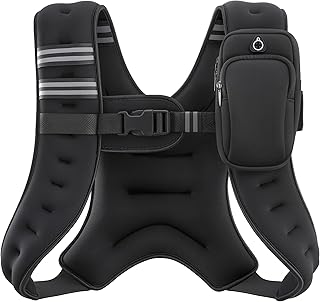
Price: $28.98 | Rating: 4.6 | Over 15,900 reviews
Step 4: Use Targeted Supplements Strategically
When lifestyle changes aren’t enough, supplements can bridge the gap. But choose wisely.
For appetite control during the day (so you don’t overeat at night), a thermogenic like Thermogenic Fat Burner Brazilian Lean can help curb cravings and reduce bloating. It contains ingredients that support energy without jitters—good for an afternoon boost that won’t ruin your sleep.

Price: $9.99 | Rating: 4.1
For metabolic support without stimulants, try OLLY Metabolism Gummy Rings. The apple cider vinegar, vitamin B12, and chromium in these gummies aid digestion and energy metabolism—perfect for a mid-afternoon snack that won’t keep you up.

Price: $16.97 | Rating: 4.3 | 7,100 reviews
For direct weight loss support when diet and sleep are already optimized, medical options like Phendimetrazine, Zepbound, and Contrave are available through a healthcare provider. These prescription medications should be used only under medical supervision, especially if sleep issues are related to underlying conditions.
 |
|  |
| 
Prices: $4.00, $25.00, $50.00 respectively.
Step 5: Cleanse Your System for Better Sleep and Digestion
Poor sleep often accompanies gut inflammation. A gentle detox can help reset your system. The Purely Inspired 7-Day Detox Cleanse uses senna leaf, vitamin C, and probiotics to support digestion and reduce bloating—two factors that can interfere with sleep quality.

Price: $9.99 | Rating: 4.2 | 11,000 reviews
Comparison: Top Products to Support Sleep & Weight Loss
| Product | Price | Rating | Best For | Image | Buy at Amazon |
|---|---|---|---|---|---|
| Thermogenic Fat Burner Brazilian Lean | $9.99 | 4.1 | Daytime energy & appetite control | |
Buy |
| Nature's Bounty Chromium Picolinate | $7.49 | 4.5 | Blood sugar stability & metabolism | |
Buy |
| alli Weight Loss Diet Pills | $65.99 | 4.2 | Fat blocker (orlistat) |  |
Buy |
| OLLY Metabolism Gummy Rings | $16.97 | 4.3 | Digestive health & energy | |
Buy |
| Premium Liquid Collagen | $26.95 | 4.4 | Skin, hair & metabolic support |  |
Buy |
| ZELUS Weighted Vest | $28.98 | 4.6 | Deep sleep & workout intensity | |
Buy |
| Purely Inspired 7-Day Detox | $9.99 | 4.2 | Gut cleanse & bloating reduction | |
Buy |
| Phendimetrazine (Rx) | $4.00 | N/A | Appetite suppression (prescription) | |
Buy |
| Zepbound (Rx) | $25.00 | N/A | Weight management (prescription) | |
Buy |
| Contrave (Rx) | $50.00 | N/A | Weight loss (prescription) | |
Buy |
Step 6: Move Wisely for Better Sleep
Exercise is a proven sleep enhancer—but timing matters. Morning or early afternoon workouts are best. An evening strength training session with a weighted vest can be effective if done at least 90 minutes before bed.
The ZELUS Weighted Vest we mentioned earlier adds resistance to bodyweight exercises, increasing metabolic rate for hours afterward. This “afterburn effect” can help you burn more calories even while sleeping.
Step 7: Address Nighttime Cravings with Collagen
Cravings often spike after a poor night’s sleep. A liquid collagen supplement like Premium Liquid Collagen for Women Weight Loss & Beauty can help. It contains L-carnitine to support fat metabolism and hyaluronic acid for skin health. Taking it in the evening as a warm drink satisfies that late-night snack urge without derailing your diet.
Price: $26.95 | Rating: 4.4 | 3,200 reviews
Final Thoughts: Sleep Is Non-Negotiable on Your Weight Loss Journey
You can have the perfect diet and the most intense workouts, but without quality sleep, your progress will plateau. Insomnia doesn’t just make you tired—it rewires your body to store fat and crave junk.
Start with the basics: consistent sleep schedule, light management, and a wind-down ritual. Then layer in targeted supplements and tools if needed. Your body will thank you—and your scale will too.
Frequently Asked Questions
Can insomnia really make me gain weight?
Yes. Poor sleep increases cortisol and ghrelin while decreasing leptin, leading to increased appetite and fat storage. Chronic sleep deprivation is strongly linked to obesity.
How long does it take to fix insomnia?
Most people see improvement within 1–2 weeks of implementing consistent sleep hygiene. If insomnia persists beyond 4 weeks, consult a healthcare provider.
Should I take weight loss pills if I have insomnia?
Some stimulant-based weight loss pills can worsen insomnia. Non-stimulant options like alli (orlistat) or prescription medications like Contrave may be better choices. Always discuss with your doctor.
What is the best supplement for sleep and weight loss?
Chromium picolinate helps stabilize blood sugar, which can reduce nighttime awakenings. Magnesium glycinate is excellent for relaxation. The Nature’s Bounty Chromium Picolinate is a budget-friendly option.
Does exercise help insomnia?
Absolutely. Regular exercise improves sleep quality and duration. Aim for 30 minutes of moderate activity daily, but avoid vigorous exercise within 90 minutes of bed.