
Have you ever noticed that when life gets overwhelming, your waistline seems to expand right along with your to‑do list? You’re not imagining it. Stress triggers a powerful hormone called cortisol, and when cortisol stays high for too long, it can directly lead to stubborn weight gain—especially around your belly.
The good news? Once you understand how stress hijacks your metabolism, you can take simple steps to regain control. In this article, we’ll break down the science behind cortisol, why it makes losing weight so hard, and what you can do to break the cycle. Plus, we’ll explore some trusted tools—like alli Weight Loss Diet Pills and Nature’s Bounty Chromium Picolinate—that can support your journey.
Table of Contents
What Is Cortisol and Why Does It Matter for Weight Loss?
Cortisol is your body’s primary stress hormone. It’s released by the adrenal glands when you face a perceived threat—whether that’s a tight deadline, a traffic jam, or an actual danger. This “fight‑or‑flight” response is designed to be short‑lived. It gives you a burst of energy by raising blood sugar and temporarily suppressing non‑essential functions like digestion.
But here’s where it goes wrong: chronic stress keeps cortisol levels elevated. When cortisol stays high:
- Your body stores fat preferentially in the abdomen (belly fat).
- You crave sugary, high‑calorie comfort foods.
- Muscle breakdown increases, slowing your resting metabolism.
- Insulin resistance can develop, making fat loss even harder.
Understanding this link is the first step toward reclaiming your health.
The Cortisol‑Stress‑Weight Gain Cycle
Let’s map out the vicious cycle. Stress → Cortisol spike → Increased appetite and cravings → Overeating → Weight gain → More stress about weight → Cortisol spikes again. It’s a loop, but you can break it.
When cortisol is chronically high, it interferes with leptin, the hormone that tells your brain you’re full. You end up eating past your body’s actual needs. At the same time, cortisol encourages fat storage around the organs (visceral fat) because that fat has more cortisol receptors than fat elsewhere.
Key insight: Belly fat isn’t just frustrating—it’s metabolically active and can further disrupt hormone balance. That’s why stress management is just as important as diet and exercise for lasting weight loss.
How Stress Triggers Belly Fat Storage
Have you noticed that stress seems to “stick” directly to your midsection? There’s a biological reason. Visceral fat cells have four times more cortisol receptors than subcutaneous fat cells (the kind under your skin). So when cortisol rises, your body preferentially deposits fat in the deep belly area.
This type of fat is dangerous because it releases inflammatory compounds that increase your risk of heart disease, type 2 diabetes, and metabolic syndrome. Reducing cortisol levels through lifestyle changes is one of the most effective ways to target this stubborn fat.
Signs Your Cortisol Might Be Out of Control
How do you know if stress is sabotaging your weight loss? Look for these red flags:
- Cravings for salty or sugary foods, especially in the afternoon or evening.
- Trouble sleeping despite feeling exhausted (cortisol should drop at night; chronic stress keeps it high).
- Unexplained weight gain around your abdomen even if you’re eating reasonably.
- Low energy that doesn’t improve with rest.
- Difficulty concentrating or feeling “wired but tired.”
If you recognize three or more of these, your cortisol may be running the show. The good news is that targeted lifestyle changes and smart supplementation can help.
Practical Steps to Lower Cortisol and Support Weight Loss
You don’t need to eliminate stress completely (that’s unrealistic), but you can build resilience. Here are five evidence‑based strategies:
1. Prioritize Sleep and Recovery
Sleep is when your body clears out excess cortisol. Aim for 7–9 hours of quality sleep per night. Create a wind‑down routine: no screens 30 minutes before bed, a cool room, and consistent wake‑up times.
2. Move Your Body (But Don’t Overtrain)
Moderate exercise—like walking, yoga, or swimming—lowers cortisol. But intense, long workouts can actually raise it. Listen to your body. For stress reduction, shorter sessions with recovery days are more effective. A tool like the ZELUS Weighted Vest (rated 4.6 stars) can add gentle resistance to walks without overstressing your system.
3. Support Your Metabolism with Smart Supplements
Certain nutrients help regulate cortisol and stabilize blood sugar, which reduces cravings. Consider:
- Chromium picolinate – Helps insulin work better and curbs sugar cravings. Nature’s Bounty Chromium Picolinate 800 mcg is a top‑rated option (4.5 stars, 8,600+ reviews).
- Apple cider vinegar – May improve insulin sensitivity and aid digestion. OLLY Metabolism Gummy Rings combine ACV with B12 and chromium for easy daily support.
- Thermogenic fat burners – Can boost metabolism, but choose ones with natural ingredients. Thermogenic Fat Burner Brazilian Lean (4.1 stars) is designed to reduce bloating and support fat loss.
- Liquid collagen with L‑carnitine – Collagen supports skin, hair, and joints while L‑carnitine helps transport fat into cells for energy. Premium Liquid Collagen (4.4 stars) offers a convenient shot form.
- Orlistat (alli) – A clinically proven fat blocker that prevents some dietary fat from being absorbed. alli Weight Loss Diet Pills (4.2 stars, 28,600 reviews) are a popular non‑prescription option.
Note: Always consult a healthcare provider before starting any supplement, especially if you have medical conditions or take medications.
4. Practice Mind‑Body Stress Reduction
Meditation, deep breathing, or even 5 minutes of journaling can lower cortisol significantly. The key is consistency. Even a short daily practice trains your nervous system to calm down faster.
5. Eat for Blood Sugar Stability
When cortisol is high, your blood sugar tends to yo‑yo. Eat balanced meals with protein, healthy fats, and fiber. Avoid skipping meals, and reduce refined carbs and sugar. This keeps insulin and cortisol in check.
Comparison Table: Top Weight Loss Supplements for Stress‑Related Weight Gain
Here’s a side‑by‑side look at five effective products mentioned above. Use the table to compare price, rating, and key benefits.
| Product | Price | Rating | Key Benefits | Buy at Amazon |
|---|---|---|---|---|
 |
$65.99 | ⭐ 4.2 (28,600 reviews) | Blocks fat absorption, OTC weight loss aid | Buy alli |
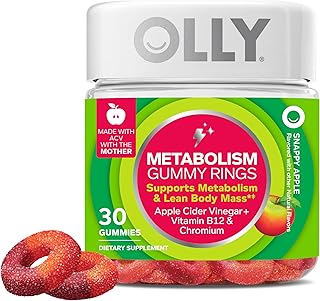 |
$16.97 | ⭐ 4.3 (7,100 reviews) | ACV + chromium, energy & digestion support | Buy OLLY |
 |
$7.49 | ⭐ 4.5 (8,600 reviews) | Sugar metabolism, appetite control | Buy Chromium |
 |
$26.95 | ⭐ 4.4 (3,200 reviews) | Collagen + L‑carnitine, beauty & weight | Buy Liquid Collagen |
 |
$9.99 | ⭐ 4.1 (5,000 reviews) | Thermogenic, bloating relief, fat burner | Buy Brazilian Lean |
Prices and ratings as of writing; always check the Amazon page for the latest.
Final Thoughts: Taking Control of Stress and Your Weight
Stress and weight gain are deeply connected through cortisol, but you don’t have to be a prisoner of that cycle. By improving sleep, choosing the right exercise, stabilizing your blood sugar, and supporting your body with well‑researched supplements, you can lower cortisol and finally see progress on the scale.
Remember, personal development isn’t just about productivity—it’s about caring for your whole self. A calmer mind leads to a healthier body. Start small. Pick one strategy from this article and commit to it for the next week. Your future self will thank you.
Frequently Asked Questions
Q: How long does it take to lower cortisol through lifestyle changes?
A: Some people notice improvements in sleep and cravings within 1–2 weeks of consistent stress management. Full hormonal balance can take a few months, but every small change helps.
Q: Can stress cause weight gain even if I eat healthy?
A: Yes. High cortisol shifts your body into fat‑storage mode, particularly around the belly, and can increase insulin resistance. Diet alone may not offset this without stress reduction.
Q: Are prescription weight loss medications safe for cortisol‑related weight gain?
A: Medications like Zepbound and Contrave are available by prescription and can be effective, but they come with potential side effects. Always discuss with your doctor, especially if your weight gain is driven by chronic stress.
Q: Should I take a detox cleanse to reset my system?
A: Products like Purely Inspired 7‑Day Detox Cleanse (4.2 stars) can support digestion and reduce bloating. They are not a cure‑all for cortisol, but they may help you feel lighter while you address the root cause.
Q: Can exercise actually make cortisol worse?
A: Yes, if you overtrain without adequate recovery. Opt for moderate activities (walking, yoga, light strength training) and avoid excessive HIIT when you’re already stressed.