
You’ve been working out, eating clean, and tracking every calorie—yet the scale barely moves. Your energy dips, cravings spike, and stress feels like your constant companion. The blame often lands on cortisol, the “stress hormone.” But what if the real problem isn’t cortisol itself, but the myths surrounding it?
Misunderstanding cortisol can sabotage your weight loss efforts. Many believe it’s a villain that makes fat loss impossible. The truth is far more nuanced—and empowering. Let’s dismantle the most persistent cortisol myths so you can finally break through.
Table of Contents
Myth #1: Cortisol Is Always the Enemy
Cortisol gets a bad reputation, but your body needs it. This hormone helps regulate blood sugar, reduce inflammation, and control your sleep-wake cycle. It’s your built‑in alarm system that keeps you alert and alive.
The problem isn’t cortisol—it’s chronically elevated cortisol. When stress becomes a 24/7 state, your body holds onto fat (especially in the belly), increases appetite, and slows metabolism. However, short bursts of cortisol from exercise or deadlines are completely normal and even beneficial.
The key takeaway: Don’t try to eliminate cortisol. Instead, focus on lowering persistently high levels through lifestyle shifts.
Myth #2: Stress Alone Causes High Cortisol
Stress is a major trigger, but it’s not the only one. Poor sleep, a diet high in refined carbs, chronic inflammation, and even overtraining can keep cortisol elevated. Skipping meals or drinking too much caffeine also sends your adrenal glands into overdrive.
Your environment matters too. Constant screen time, financial worries, and lack of social connection all contribute. Cortisol rises when your body perceives a threat—and that threat can be anything from a looming deadline to a blood sugar crash.
To manage cortisol effectively, you can’t just “relax more.” You need to address the underlying lifestyle factors that keep the hormone pumping.
Myth #3: You Can’t Lose Weight If You Have High Cortisol
This myth creates a vicious cycle of hopelessness. Yes, high cortisol encourages fat storage and muscle breakdown, but it doesn’t make weight loss impossible. Many people lose weight while managing stress—they just need a smarter approach.
Focus on strategies that actually lower cortisol:
- Prioritize sleep – 7–9 hours per night is non‑negotiable.
- Eat balanced meals – protein, healthy fats, and fiber stabilize blood sugar.
- Do gentle movement – long walks, yoga, or resistance training instead of endless HIIT.
- Practice deep breathing – 5 minutes of box breathing can drop cortisol in minutes.
Weight loss with high cortisol is slower, but it’s absolutely achievable. The myth that you’re “stuck” is what keeps you from trying.
Myth #4: Quick‑Fix Supplements Can Instantly Lower Cortisol
The supplement aisle is filled with promises to “balance cortisol” and “melt belly fat.” In reality, no pill can override a poor lifestyle. Some ingredients do help support the stress response—for example, ashwagandha, magnesium, and omega‑3s have research backing. But they work best alongside solid sleep, nutrition, and stress management.
Certain supplements can support your metabolism and help you feel fuller, which indirectly reduces overeating triggered by stress. Let’s look at some science‑backed tools that can complement your journey.
Smart Tools and Supplements to Support Your Journey
When used correctly, specific products can help you manage cravings, boost energy, and keep your metabolism running smoothly. Here are options that address different aspects of the stress–weight connection:

Thermogenic Fat Burner Brazilian Lean – Contains ingredients that support thermogenesis and reduce bloating. It’s designed to give your metabolism a gentle nudge, which can be helpful when stress slows things down. Priced at $9.99.
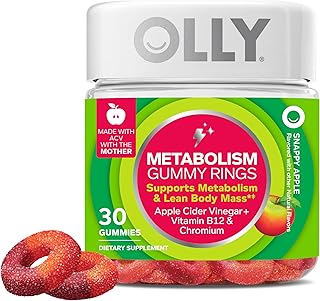
OLLY Metabolism Gummy Rings – These apple‑flavored gummies provide Apple Cider Vinegar, Vitamin B12, and Chromium to support energy and carbohydrate metabolism. A tasty, easy way to fill nutrient gaps when stress depletes your B vitamins. $16.97.

alli Weight Loss Diet Pills – The only FDA‑approved over‑the‑counter weight loss aid (orlistat). It blocks about 25% of fat from meals, reducing calorie absorption. Useful if stress leads you to overeat high‑fat foods. $65.99 for 120 capsules.

Nature’s Bounty Chromium Picolinate – Chromium helps regulate blood sugar and curb sugar cravings—a common side effect of high cortisol. At $7.49 for 50 tablets, it’s an affordable support for metabolic health.

Premium Liquid Collagen – Packed with L‑Carnitine (which helps fat burning), Hyaluronic Acid, and Biotin. This liquid shot supports both weight loss and skin/ hair health—a great all‑in‑one when you’re too stressed to prepare complex meals. $26.95.
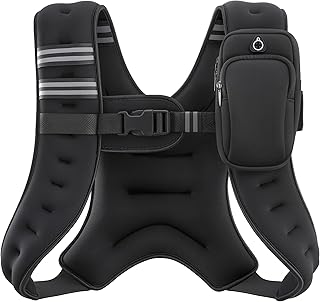
ZELUS Weighted Vest – Not a supplement, but a powerful tool to boost calorie burn during walks or strength training. Adding 6–30 lbs of resistance increases energy expenditure without spiking cortisol (if used with moderate intensity). Rated 4.6 stars by 15,900 users.

Purely Inspired 7-Day Detox Cleanse – Contains Senna leaf, Apple Cider Vinegar, and probiotics to reduce bloating and support digestion. While not a cortisol solution, feeling less bloated can reduce stress around body image. $9.99.
For those requiring more intensive medical support, prescription options exist. Phendimetrazine ($4.00), Zepbound ($25.00), and Contrave ($50.00) are available through pharmacies. Always consult a healthcare provider before starting any prescription weight loss medication.
Comparison of Popular Weight Loss Aids
| Product | Key Features | Price | Buy at Amazon |
|---|---|---|---|
| alli |
Blocks 25% of dietary fat; OTC; 120 capsules | $65.99 | Buy at Amazon |
| OLLY Metabolism Gummy Rings |
ACV, B12, Chromium; gummy format; 30 count | $16.97 | Buy at Amazon |
| Thermogenic Fat Burner Brazilian Lean |
Thermogenic blend; reduces bloating; 60 caps | $9.99 | Buy at Amazon |
| Nature’s Bounty Chromium |
800 mcg chromium; 50 tablets; supports sugar metabolism | $7.49 | Buy at Amazon |
FAQ
Q: Can I lose belly fat even if my cortisol is high?
A: Yes, but it requires consistent effort. Focus on sleep, reduce processed foods, and incorporate low‑intensity exercise like walking. Spot reduction isn’t possible, but lowering overall cortisol will help your body release fat more readily.
Q: Will taking a cortisol‑lowering supplement alone fix my weight?
A: No. Supplements can support the process, but they won’t overcome poor sleep, a high‑sugar diet, or chronic stress. Use them as part of a holistic plan that includes real food, movement, and stress‑management techniques.
Q: Are prescription weight loss drugs safe for high‑cortisol individuals?
A: They can be effective under medical supervision, but they don’t address the root cause of elevated cortisol. Discuss your stress levels with your doctor to decide if medications like Contrave or Zepbound are appropriate for you.
Q: How quickly can I see results if I lower my cortisol?
A: Many people notice reduced cravings and better energy within 1–2 weeks of improving sleep and stress habits. Visible weight loss usually follows after 3–4 weeks of consistent lifestyle changes.
The bottom line: Cortisol isn’t your enemy—chronic mismanagement of it is. Stop letting myths hold you back. By debunking these beliefs and using the right tools (like the alli fat blocker or a ZELUS Weighted Vest), you can finally move forward. Sustainable weight loss happens when you respect your biology—not when you fear it.