
Your appetite isn’t just a matter of willpower—it’s a symphony of hormones playing in the background. When you eat can be just as important as what you eat, especially for women navigating different life stages. Hormones like insulin, cortisol, and ghrelin respond differently to meal timing, and getting the rhythm right can make appetite control feel almost effortless.
In this article, you’ll discover how to sync your eating schedule with your body’s natural hormonal cycles. We’ll also look at a few science-backed supports that can make this journey smoother, including alli Weight Loss Diet Pills and Nature’s Bounty Chromium Picolinate.
Table of Contents
The Science of Appetite Hormones
Your body runs on a circadian clock that governs when hormones rise and fall. Cortisol peaks in the morning to help you wake up, while melatonin rises at night for sleep. Appetite hormones follow a similar dance.
Ghrelin (the hunger hormone) increases before meals and dips after you eat. Leptin (the fullness hormone) signals satiety. Insulin manages blood sugar and fat storage. When meal timing is off, these hormones become erratic. You experience false hunger, cravings, and energy crashes.
For women, hormonal shifts during menstruation, pregnancy, perimenopause, and menopause amplify these effects. Eating at the wrong times can worsen PMS cravings or menopausal weight gain. The good news? You can retrain these signals with strategic meal timing.
Best Meal Timing Strategies for Hormone Balance
Aligning meals with your body’s natural rhythm reduces insulin spikes and keeps ghrelin in check. Here’s a practical framework:
- Breakfast within 2 hours of waking – This stabilizes cortisol and signals your body that the fast is over. Aim for protein and healthy fats.
- Lunch between 12 p.m. and 2 p.m. – Your digestive fire peaks midday. A balanced lunch prevents afternoon slumps.
- Dinner 3–4 hours before bed – Late eating disrupts melatonin and raises overnight insulin. Stop eating by 7–8 p.m.
- Limit eating window to 10–12 hours – A larger overnight fast (e.g., 12–14 hours) can reset leptin sensitivity.
Intermittent fasting can work for some women, but it’s not one-size-fits-all. During perimenopause, shorter fasts (12–14 hours) often suit better. Listen to your body.
How to Support Appetite Control with Supplements
While meal timing lays the foundation, certain supplements can help smooth out hormonal fluctuations. Here are a few that complement a hormone-friendly schedule:

alli Weight Loss Diet Pills – Orlistat blocks about 25% of dietary fat from being absorbed. Taken with meals, it reduces calorie intake and helps regulate appetite by lowering the glycemic impact of fatty foods.

Nature’s Bounty Chromium Picolinate – Chromium helps your body use insulin more efficiently, stabilizing blood sugar and curbing carb cravings. Taking it before a meal can blunt sharp glucose spikes.
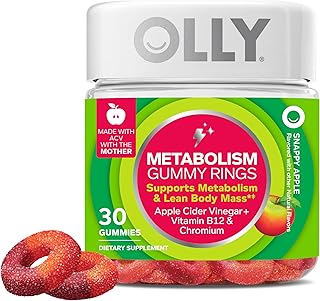
OLLY Metabolism Gummy Rings – With apple cider vinegar, vitamin B12, and chromium, these gummies support digestion and energy. Use them midday when your metabolism naturally dips.
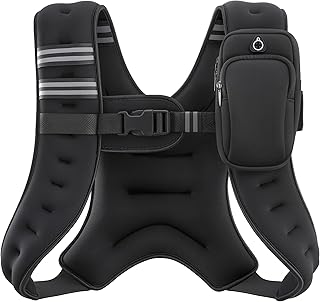
ZELUS Weighted Vest – Not a supplement, but a powerful tool. Weighted vests add resistance to walks or strength training, boosting cortisol management and muscle retention—key for metabolic health.
Quick Comparison: Top Supports for Appetite Control
| Product | Price | Rating | Key Benefit | Buy at Amazon |
|---|---|---|---|---|
| alli 120 Count |
$65.99 | 4.2 | Fat blocker, reduces calorie absorption | Buy Now |
| Chromium Picolinate 800 mcg |
$7.49 | 4.5 | Blood sugar stabilization, carb craving control | Buy Now |
| OLLY Metabolism Gummies (30 count) |
$16.97 | 4.3 | Energy, digestion, metabolism support | Buy Now |
Additional Lifestyle Tweaks for Hormone Harmony
Meal timing works best when paired with other habits:
- Sleep 7–9 hours – Poor sleep spikes cortisol and ghrelin, making you hungrier.
- Morning sunlight – Resets your circadian clock and reduces cortisol reactivity.
- Strength training – Builds muscle and improves insulin sensitivity. The ZELUS Weighted Vest adds intensity without adding time.
- Manage stress – Chronic stress elevates cortisol, which leads to belly fat storage. Even 5 minutes of deep breathing before meals helps.
Frequently Asked Questions
Can I eat after 8 p.m. if I’m hungry?
Your body digests best when you allow 3–4 hours between your last meal and bedtime. If you must eat, choose a small protein snack (e.g., a boiled egg) to avoid blood sugar spikes.
Does intermittent fasting work for women with PCOS?
Many women with PCOS benefit from a 14-hour overnight fast combined with a low-glycemic diet. However, long fasts can worsen cortisol in some cases. Start with a 12-hour window.
Should I take alli with every meal?
Alli is taken with meals that contain fat—up to three per day. Skip it for fat-free meals. Follow the label’s guidance and ensure you are eating a reduced-calorie, low-fat diet.
How quickly does chromium help with appetite?
Some people notice reduced sugar cravings within 1–2 weeks, but it can take up to a month for full blood sugar stabilization. Consistency matters.
Closing Thoughts
Hormone-friendly meal timing is a gentle shift, not a rigid rule. Start by moving dinner earlier, eating protein at breakfast, and listening to your body’s natural hunger signals. Supplements like alli, chromium, or OLLY gummies can fill gaps, but they work best alongside smart timing.
If you’re ready to take control of appetite and weight—without battling cravings—let your clock guide you. Your hormones will thank you.