
We’ve all been there—a stressful day, a hormonal shift, or a moment of loneliness leads straight to the kitchen. Emotional eating isn’t a sign of weakness; it’s a deeply rooted response that changes as we move through life. For women, the triggers evolve with each life stage, from adolescence to menopause and beyond. Understanding these patterns is the first step toward breaking the cycle. And with the right tools—like weight loss supplements, mindful movement, and supportive habits—you can regain control. Let’s explore how emotional eating shows up at every age and what you can do about it.
Table of Contents
Adolescence and Young Adulthood: Peer Pressure and Body Image
During the teenage years and early twenties, emotional eating often stems from social stress, academic pressure, and body image concerns. A harsh comment about weight or a breakup can send a young woman straight to ice cream or chips. This stage is also when diet culture takes hold, leading to restrictive eating that later backfires as binge eating.
Patterns to watch for:
- Eating in secret after school or work.
- Craving high-sugar, high-fat foods during exams or after social rejection.
- Using food as a reward for getting through a tough day.
Tools that help: Building self-awareness is key. Keeping a food-mood journal can reveal patterns. For those looking for a metabolic boost, supplements like Nature’s Bounty Chromium Picolinate, 800 mcg may support stable blood sugar and reduce cravings.

Pregnancy and Postpartum: Hormonal Rollercoaster
Pregnancy brings intense hormonal fluctuations, and postpartum life adds sleep deprivation and identity shifts. Emotional eating during this stage is often tied to exhaustion, anxiety about motherhood, or feeling “touched out.” Many women crave carbs or dairy for comfort, which can lead to weight retention.
Patterns to watch for:
- Nighttime snacking while up with the baby.
- Emotional eating during breastfeeding (due to increased hunger hormones).
- Using food to cope with postpartum depression or loneliness.
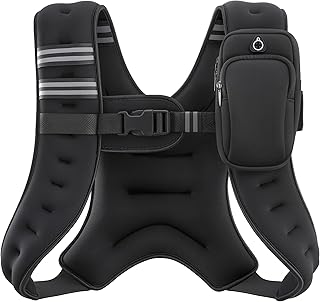
Tools that help: Focus on nourishing snacks and gentle movement. A weighted vest, like the popular ZELUS Weighted Vest, can make short walks more effective for stress relief and calorie burn.
Perimenopause and Menopause: The Cortisol Connection
As estrogen declines, cortisol—the stress hormone—can rise. This combination makes emotional eating particularly challenging during perimenopause and menopause. Women often crave sugar or alcohol to soothe anxiety, hot flashes, or mood swings. Weight gain around the midsection becomes stubborn, and emotional eating can feel like the only comfort.
Patterns to watch for:
- Increased appetite in the luteal phase or during hormonal dips.
- Evening cravings linked to stress from work or family.
- Emotional eating triggered by sleep disruption.
Tools that help: Chromium and apple cider vinegar supplements can support metabolism. OLLY Metabolism Gummy Rings combine ACV with vitamin B12 and chromium in a tasty chewable form—perfect for curbing late-night cravings.

For those needing a more direct approach, medications like Contrave or Zepbound (available by prescription) target brain receptors that regulate appetite and cravings. Always consult a healthcare provider before starting any weight loss medication.
Later Years: Loneliness and Habit
In our 60s and beyond, emotional eating often shifts to boredom, loneliness, or grief. With children grown and retirement settling in, food becomes a companion. Physical limitations can reduce activity, making weight gain easier. Emotional eating in later life is also linked to memory—eating the same foods mom used to make can evoke comfort.
Patterns to watch for:
- Eating while watching TV or reading alone.
- Using food to fill social voids.
- Overeating at social gatherings due to lack of structure.
Tools that help: Regular meals and social eating plans work wonders. Consider a gentle detox like Purely Inspired 7-Day Detox Cleanse to reset habits and support digestion.

Comparison of Top Tools for Emotional Eating Support
Not sure which product fits your stage? This table compares popular options to help you decide.
| Product | Key Benefits | Price | Rating | Buy Now |
|---|---|---|---|---|
|
Supports carbohydrate metabolism, reduces cravings | $7.49 | ⭐ 4.5 | Buy at Amazon |
|
ACV + Chromium + B12, tasty gummy | $16.97 | ⭐ 4.3 | Buy at Amazon |
|
Adds resistance to walks, burns more calories | $28.98 | ⭐ 4.6 | Buy at Amazon |
 |
Blocks dietary fat absorption, non-prescription | $65.99 | ⭐ 4.2 | Buy at Amazon |
Daily Strategies to Break the Emotional Eating Cycle
No matter your life stage, these strategies can help you pause before you eat emotionally:
- Name the feeling. Ask yourself: Am I hungry, or am I sad/angry/bored? Take 10 deep breaths.
- Delay the indulgence. Set a 10-minute timer before reaching for a snack. Often the craving passes.
- Create a new association. Replace the fridge visit with a cup of herbal tea or a quick walk with your weighted vest.
- Stock smart alternatives. Keep cut veggies, fruit, or a protein shake handy for true hunger.
- Track your cycle. Use a period tracking app to anticipate hormonal craving days.
Frequently Asked Questions
Q: Can supplements really stop emotional eating?
A: Supplements like chromium picolinate and apple cider vinegar can help stabilize blood sugar and reduce cravings, but they are not a cure-all. Combine them with mindful eating practices for best results.
Q: Is emotional eating more common during menopause?
A: Yes. Declining estrogen and rising cortisol make emotional eating more frequent. PMS-like cravings can persist into perimenopause and beyond.
Q: What’s the fastest way to break a binge cycle?
A: Remove the trigger food from your environment, plan regular meals, and use a short-term tool like Purely Inspired 7-Day Detox Cleanse to reset your palate and digestion.
Q: Are prescription medications like Zepbound safe for emotional eating?
A: Only under medical supervision. Zepbound and Contrave target brain pathways involved in appetite and reward. They are FDA-approved for weight loss when combined with diet and exercise.
Q: Can exercise help with emotional eating?
A: Absolutely. Moving your body—especially with a weighted vest like ZELUS Weighted Vest—releases endorphins, reduces stress, and distracts from cravings.
Final Thoughts
Emotional eating is not a personal failure—it’s a natural response to life’s transitions. By recognizing the patterns unique to your current life stage, you can choose tools that actually work. Whether it’s a simple chromium supplement, a weighted vest for stress-busting walks, or a structured detox to hit the reset button, you have options. Start small. Be kind to yourself. And remember: every step toward understanding your triggers is a step toward lasting well-being.