
Fatigue is a silent saboteur on any weight loss journey. For women, it often hits harder due to hormonal shifts, busy schedules, and the mental load of daily life. The instinct is to skip the workout or go for a light jog, but a strength-first approach can actually rev up your metabolism and melt stubborn fat even when you feel drained.
Building muscle is the secret weapon for long-term weight loss. More muscle means a higher resting metabolic rate, which helps you burn calories around the clock. The trick is learning how to train smart when your energy is low, using strength as your foundation, not an afterthought.
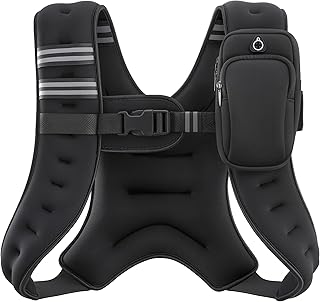
Table of Contents
Understanding Fatigue Through Women’s Life Stages
Women experience fatigue differently across their lifespan. Hormonal fluctuations from the menstrual cycle, pregnancy, perimenopause, and menopause directly impact energy production, recovery, and fat storage.
- Menstrual cycle: In the luteal phase (after ovulation), progesterone rises, which can cause sluggishness and water retention. Strength training during this time helps manage cravings and supports metabolic flexibility.
- Perimenopause and menopause: Declining estrogen lowers metabolism and increases visceral fat. Fatigue becomes more common due to poor sleep and hormonal imbalance. Prioritizing resistance training becomes even more critical.
- Postpartum: Sleep deprivation wreaks havoc on energy. Short, intense strength sessions can boost mood and aid in gradual, sustainable fat loss.
The common thread? Training through fatigue doesn't mean pushing to exhaustion—it means adjusting volume and intensity to match your current state. Let your body, not your guilt, guide the effort.
Why Strength First Beats Cardio for Fat Loss
Cardio alone can increase cortisol, especially when you're already tired. That hormonal spike may lead to muscle breakdown and stubborn belly fat. Strength training, on the other hand, signals your body to preserve muscle and burn fat even at rest.
The "Strength First" philosophy means you prioritize compound lifts (squats, deadlifts, rows, presses) at the beginning of your workout when you have the most energy. Even on low-energy days, lifting heavy for fewer reps (3–5) can ignite your metabolic response without wrecking your central nervous system.
Key benefits:
- Increased post-exercise oxygen consumption (EPOC) – you keep burning calories for hours after
- Improved insulin sensitivity, which reduces fat storage
- Better bone density and joint health, especially important after 40
- Enhanced mood and mental clarity
Practical Training Strategies When You’re Running on Empty
1. Shorten Your Sessions, Not Your Intensity
If you’re fatigued, aim for 20–30 minutes of strength work. Focus on multi-joint movements that recruit more muscle fibers. A full-body circuit of squats, push-ups, rows, and a loaded carry can deliver a potent fat loss stimulus without draining you.
2. Use Tools That Add Variety Without Extra Effort
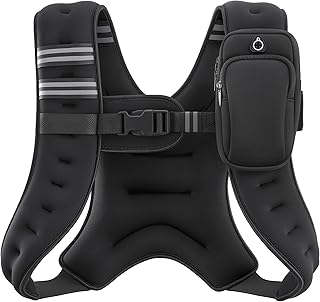
A weighted vest, like the ZELUS Weighted Vest, can turn bodyweight exercises into strength work without complex equipment. Simply wearing it during lunges, step-ups, or walks increases the challenge while keeping your form natural.
3. Prioritize Recovery Nutrition
Training while tired is okay as long as you refuel properly. Protein intake supports muscle repair, and specific supplements can bridge the gap when diet alone isn’t enough.
4. Listen to Your Menstrual Cycle
During the follicular phase (days 1–14), estrogen is rising, and your energy is higher—go heavier. In the luteal phase (days 15–28), back off the load slightly and increase rest periods. This cyclical approach prevents burnout and respects your biology.
Supplements That Support Energy and Metabolism
While no pill replaces sleep and good nutrition, certain supplements can help you train through fatigue and support weight loss. Below are options that align with a strength-first mindset.
Thermogenic Fat Burners

Thermogenic Fat Burner Brazilian Lean combines natural caffeine, green tea, and capsaicin to increase thermogenesis and alertness. At just $9.99 (rating 4.1), it’s an affordable pre-workout pick-me-up that also targets bloating. Use it before morning sessions when fatigue is highest.
Metabolism & Energy Gummies
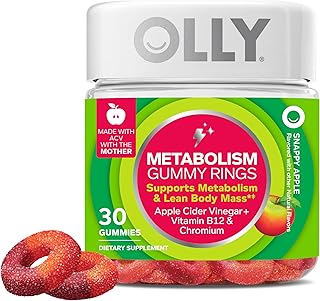
OLLY Metabolism Gummy Rings (apple cider vinegar + B12 + chromium) are a tasty way to support sugar metabolism and steady energy. Priced at $16.97 (rating 4.3), they're great for mid-afternoon slumps before a strength session.
Chromium Picolinate for Blood Sugar

Nature's Bounty Chromium Picolinate (800 mcg) helps regulate blood sugar, reducing energy crashes that lead to fatigue. At $7.49 (rating 4.5), it’s a budget-friendly staple for women with insulin resistance or cravings.
Liquid Collagen for Recovery

Premium Liquid Collagen (with hyaluronic acid, biotin, and L-carnitine) supports joint health and muscle recovery. The inclusion of L-carnitine aids fat metabolism. At $26.95 (rating 4.4), it’s a liquid shot that also supports hair and skin.
Alli – Prescription‑Strength OTC Option

Alli (Orlistat 60 mg) blocks dietary fat absorption. While not a fatigue fighter, it can assist weight loss when combined with strength training. The 120‑count refill pack costs $65.99 (rating 4.2). Note: it requires a low‑fat diet to avoid side effects.
Prescription Medications (Consult Your Doctor)
Phendimetrazine ($4.00) and Contrave ($50.00) are appetite suppressants, while Zepbound ($25.00) is a GLP-1 agonist. These are not for everyone, but they can be part of a medically supervised weight loss plan that includes strength training.
| Product | Key Benefit | Price | Rating | Buy at Amazon |
|---|---|---|---|---|
| Brazilian Lean |
Thermogenesis, bloating relief | $9.99 | 4.1 | Buy |
| OLLY Metabolism Gummy Rings |
Metabolism support, steady energy | $16.97 | 4.3 | Buy |
| Nature's Bounty Chromium |
Blood sugar regulation, reduce cravings | $7.49 | 4.5 | Buy |
| Premium Liquid Collagen |
Joint recovery, L‑carnitine for fat metabolism | $26.95 | 4.4 | Buy |
| Alli (120 count) |
Fat absorption blocker | $65.99 | 4.2 | Buy |
FAQ
Can I still lose weight if I train while fatigued?
Yes, but you need to adjust intensity and prioritize recovery. Short strength workouts (20–30 minutes) with compound moves can stimulate fat loss without overstressing your body. Pair them with adequate sleep and proper nutrition.
How does strength training help women with hormonal fatigue?
Strength training improves insulin sensitivity, balances cortisol, and increases growth hormone. Over time, it helps regulate menstrual cycles and reduces menopausal symptoms. Even two sessions per week can make a difference.
What’s the best supplement for energy before a workout?
A thermogenic like Brazilian Lean or a metabolism gummy like OLLY can provide a gentle energy lift. For blood sugar stability, chromium picolinate taken with meals may prevent crashes.
Should I take prescription weight loss medications if I’m fatigued?
Only under medical supervision. Medications like Phendimetrazine, Contrave, or Zepbound can suppress appetite but may not address underlying fatigue. Always discuss side effects with your healthcare provider.
How do I know if I’m overtraining vs. just fatigued?
Signs of overtraining include constant soreness, poor sleep, mood swings, and declining performance. If you feel mildly tired but still motivated, a lighter strength session can help. If you feel wrecked, take a full rest day or active recovery walk.
Final Thoughts
Training through fatigue isn’t about turning up the volume – it’s about training smarter with strength first. For women at any life stage, resistance work provides the metabolic lift and muscle preservation that cardio alone can’t match.
Listen to your cycle, use tools like a weighted vest to add intensity without complexity, and support your body with targeted supplements when needed. With consistency and self-compassion, you’ll transform fatigue from a roadblock into a teacher.