
You know the feeling. You’re cruising through your day, feeling focused and disciplined. Then, out of nowhere, you reach for the cookie jar. Or you mindlessly open social media for “just a second” and lose an hour. That moment—the split second between intention and action—is where your self control X factor lives.
The self control X factor isn’t a mystical trait reserved for a lucky few. It’s the ability to recognize your personal triggers before they hijack your decision-making. Once you master that awareness, you can regain control fast, even in high-pressure moments. This article will show you exactly how.
Table of Contents
What Exactly Is the Self Control X Factor?
Think of it as your inner alarm system. The self control X factor is that quiet internal voice that whispers, “Hey, this is a trap,” right before you give in to temptation. It’s the difference between reacting on autopilot and responding with intention.
Most people believe willpower is the answer. But willpower alone is like trying to push a boulder uphill with your nose all day. It wears out. The real game-changer is understanding your triggers—the people, places, emotions, and situations that flick the switch on your impulsive behavior.
Why Spotting Triggers Is the Secret to Self-Discipline
Let’s get one thing straight: self-discipline isn’t about white-knuckling your way through life. It’s about building systems that make the right choice the easy choice. And the foundation of any good system is knowing what derails you.
When you spot a trigger early, you gain a precious window of time—maybe ten seconds, maybe ten minutes—to choose a different path. That window is your self control X factor in action. Close it fast enough, and you maintain your discipline momentum. Miss it, and you’re back in the cycle of regret.
Your brain is wired to seek immediate rewards. Triggers exploit that wiring. But the moment you label a trigger (“Ah, here comes the boredom itch to check my phone”), you activate your prefrontal cortex—the rational part of your brain. Suddenly, you’re no longer a passenger. You’re the driver.
The Most Common Trigger Categories
Triggers come in all shapes and sizes. Based on research in behavioral psychology and thousands of real-world stories, here are the big ones to watch for.
1. Environmental Triggers
Your surroundings cue your habits more than you realize. A messy kitchen counter with a bag of chips? That’s a trigger. A phone notification buzzing on the table? That’s a trigger. Your brain sees a cue and automatically prepares the associated response.
- Visual cues: Objects you see every day (like your phone charger next to your bed) can prompt impulse usage.
- Spatial cues: Certain rooms or locations (like the couch where you always scroll) become conditioned triggers.
- Temporal cues: Specific times of day (3 p.m. slump, anyone?) can spark cravings for sugar or procrastination.
2. Emotional Triggers
Feelings are powerful drivers of impulsive behavior. When you’re stressed, anxious, bored, lonely, or even overly excited, your emotional brain takes the wheel. It seeks relief or stimulation fast.
- Stress: Cortisol spikes, and you crave comfort—often in the form of junk food, binge-watching, or retail therapy.
- Boredom: Low arousal feels uncomfortable, so you reach for your phone for a dopamine hit.
- Frustration: When a task feels hard, your brain looks for an escape hatch (hello, social media).
3. Social Triggers
Other people can be walking triggers. The friend who always suggests happy hour. The coworker who vents and drags you into negativity. The family member who makes you feel obligated to overeat. Social pressure is real, and it directly impacts your self control X factor.
- Peer behavior: Seeing someone else indulge makes it easier to justify your own indulgence.
- Social media comparison: Scrolling curated highlight reels can trigger envy, then mindless consumption.
- Accountability gaps: When no one is watching, you’re more likely to slip.
4. Physiological Triggers
Your body’s state directly influences your self-control. Being tired, hungry, or dehydrated lowers your resistance. This is why willpower dips in the evening—your glucose levels are low and your energy is depleted.
- Sleep deprivation: Impairs decision-making and increases cravings for high-calorie foods.
- Hunger: “Hangry” makes you more impulsive and less rational.
- Physical discomfort: Pain or fatigue can trigger a desire for quick relief (alcohol, junk food, or procrastination).
Understanding these categories is step one. Now let’s move to practical detective work.
How to Spot Your Personal Triggers in Real Time
You can’t fix what you don’t see. Here is a simple but powerful method to become a trigger detective.
The Trigger Log Technique
For the next seven days, keep a small notebook or a notes app open. Every time you catch yourself doing something you later regret (overeating, procrastinating, snapping at someone), pause and write down:
- What happened just before? (The trigger)
- What were you feeling? (The emotional state)
- Where were you? (The environment)
- Who was with you? (The social context)
- What time was it? (The temporal context)
After one week, review your log. Patterns will jump out. You might discover that you always reach for junk food at 4 p.m. when you’re stuck on a boring task. Or that scrolling Instagram triggers self-doubt, which then triggers a shopping spree.
This isn’t just navel-gazing. It’s hard data—your own personal map of the landmines in your life.
The “Stop and Name” Method
When you feel the urge to act impulsively, say aloud (or in your head): “I notice the urge to [action]. This is a reaction to [trigger].” By naming it, you create distance between you and the impulse. That distance is where your self control X factor lives.
Example: “I notice the urge to check my email right now. This is a reaction to feeling anxious about the deadline.” Suddenly, you’re not a puppet on a string. You’re an observer who can choose differently.
Regain Control Fast: 5 Proven Techniques
Once you spot a trigger, you need a rapid-response toolkit. These techniques work in seconds to minutes, giving you back control before the impulse wins.
1. The 10-Second Pause (The Classic)
This is the simplest and most effective tool. When you feel the pull toward a bad habit, stop everything for ten seconds. Count to ten in your head. During those seconds, take a deep breath, feel your feet on the ground, and ask: “What do I really want right now?” Often, the answer isn’t the cookie or the scroll—it’s relief, connection, or escape. Then you can choose a healthier path.
2. Urge Surfing
Adapted from mindfulness-based relapse prevention, urge surfing acknowledges that cravings come in waves. They build, peak, and then fade. Instead of fighting the urge or giving in, ride the wave. Observe the sensations in your body—tightness in the chest, restlessness in the legs—without acting. Within 5–15 minutes, the urge usually subsides.
3. The “If-Then” Plan (Implementation Intention)
Before you even face a trigger, pre-decide your response. For example: “If I feel the urge to snack after dinner, then I will immediately brush my teeth.” This creates a mental shortcut that bypasses deliberation. Your brain goes straight to the alternative action. Research shows implementation intentions increase goal achievement by 200% or more.
4. Change Your Environment (The 30-Second Hack)
If your trigger is environmental, change the environment. Put the phone in another room. Move the chips to a high cabinet. Add friction to the bad choice and reduce friction for the good one. For instance, if social media is your trigger, use an app blocker. It takes 30 seconds to set up and can save you hours of lost control.
5. Reframe the Narrative
Your internal voice matters. Instead of saying “I can’t eat sugar,” say “I don’t eat sugar.” Instead of “I should not procrastinate,” say “I choose to work now because I value progress.” This shifts your identity from victim to empowered decision-maker. The self control X factor grows stronger when you own your choices.
| Technique | How It Works | Best For |
|---|---|---|
| 10-Second Pause | Interrupts automatic reaction | Immediate impulses |
| Urge Surfing | Observes without acting | Strong cravings |
| If-Then Plan | Pre-decides response | Repeat triggers |
| Environment Change | Reduces temptation visibility | Environmental cues |
| Reframing Narrative | Shifts identity and motivation | Long-term discipline |
Essential Books to Strengthen Your Self Control X Factor
Reading is one of the fastest ways to upgrade your mental toolbox. These books offer deep insights and practical strategies. Here are some of the best, based on real Amazon ratings and user reviews.
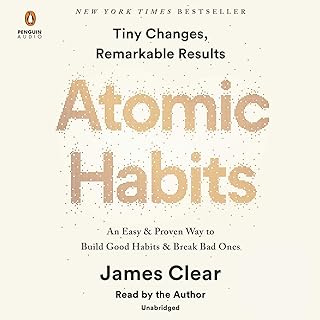
Atomic Habits by James Clear (Rating: 4.8, 148,600+ reviews) is the gold standard for habit change. Clear teaches you to focus on systems, not goals, and to design your environment for success. The price is $0.00 for the audiobook version (with Audible trial), making it an incredible value.

Discipline Equals Freedom by Jocko Willink (Rating: 4.7, 8,800+ reviews) is a field manual for mental toughness. It’s raw, direct, and filled with short chapters you can read in 5 minutes. Price: $12.93. Perfect for building daily discipline rituals.

No Excuses! The Power of Self-Discipline by Brian Tracy (Rating: 4.7, 3,800+ reviews) offers practical advice on personal, business, and financial discipline. Price: $8.66. A foundational read if you’re serious about self-mastery.

The Mountain Is You by Brianna Wiest (Rating: 4.7, 27,900+ reviews) dives into self-sabotage and how to transform it into self-mastery. The audiobook is $0.00 (with Audible trial). It’s a compassionate yet tough look at the inner obstacles holding you back.
| Product | Price | Rating | Key Benefit | Buy at Amazon |
|---|---|---|---|---|
| Atomic Habits | $0.00 | 4.8 | Systems for habit building | |
| Discipline Equals Freedom | $12.93 | 4.7 | Daily discipline manual | |
| No Excuses! | $8.66 | 4.7 | Practical self-discipline strategies | |
| The Mountain Is You | $0.00 | 4.7 | Understanding self-sabotage | |
Each of these resources will help you sharpen your self control X factor. Pair them with daily practice, and you’ll see real shifts.
Building a Daily Routine That Reinforces Self-Discipline
Spotting triggers and using fast techniques is great. But lasting change comes from routines that protect your willpower from dawn to dusk.
Morning: Set Your Intention
Start your day by reviewing your triggers. What’s likely to trip you up today? Pre-commit to a specific response. For example: “When I feel the urge to check news before 10 a.m., I will immediately drink water and start my deep work.” Write it down.
Midday: Recharge Your Reserves
Self-control is like a muscle that fatigues. Use your lunch break to rest, eat a balanced meal, and take a short walk. Avoid scrolling on social media—it depletes you. Instead, practice a 2-minute mindfulness exercise.
Evening: Conduct a Trigger Review
Before bed, spend five minutes reviewing your day. Did you encounter a trigger? Did you handle it well? What could you do better tomorrow? This reflection trains your brain to stay alert.
The Role of Environment Design
You can’t rely on willpower alone. The most disciplined people design their environments so that bad choices are hard and good choices are easy.
- Remove friction: Keep your phone in a drawer during work hours. Delete distracting apps. Use a website blocker.
- Add friction: Put junk food in the basement. Unsubscribe from marketing emails. Turn off all non-essential notifications.
- Make good choices visible: Place a water bottle on your desk. Keep healthy snacks at eye level. Put your gym clothes next to your bed.
Every time you make a good choice easier, you boost your self control X factor without even thinking.
Frequently Asked Questions
What is the self control X factor?
The self control X factor refers to your ability to recognize personal triggers before they lead to impulsive behavior. It’s the skill of pausing, noticing the trigger, and choosing a different response. It combines self-awareness, emotional regulation, and habit design.
How do I find my triggers?
Keep a trigger log for one week. Every time you engage in a habit you want to change, write down the time, location, emotional state, people present, and what happened immediately before. Patterns will emerge.
Can self-discipline be learned?
Absolutely. Self-discipline is a skill, not a fixed trait. Like any muscle, it grows with consistent practice. Books like Atomic Habits and No Excuses! provide proven methods to strengthen it.
Why do I lose control at night?
Willpower depletes over the day due to decision fatigue and low energy. Physiological triggers like being tired, hungry, or stressed lower your resistance. Plan for this by preparing your environment and setting boundaries in the evening.
What is the best technique for regaining control fast?
The 10-second pause is the most accessible and effective. It interrupts the automatic habit loop and gives your rational brain time to re-engage. Pair it with deep breathing for maximum effect.
How long does it take to develop stronger self-control?
Noticeable improvements can happen in a few weeks with daily practice. Lasting change takes 60–90 days of consistent effort, but the benefits compound quickly.
The Bottom Line: Your Self Control X Factor Is Already Inside You
You don’t need superhuman willpower. You need awareness and a few smart strategies. The self control X factor is simply the gap between a trigger and your habitual response. Learn to spot that gap, and you learn to choose.
Start today. Pick one trigger from your life and apply the 10-second pause. Notice what happens. Then keep going. Each small victory builds momentum, and momentum builds a disciplined life.
If you want to accelerate your growth, grab one of the books above. Discipline Equals Freedom or Atomic Habits are fantastic starting points. But the most important step is the one you take right now. You’ve got this.