
You open Twitter to check one notification. Twenty minutes later, you’re knee-deep in a thread about why pineapples don’t belong on pizza, and your morning routine is in shambles. Sound familiar?
Twitter can be a productivity black hole. But here’s the plot twist: self-discipline Twitter is a real thing, and when you build it right, it becomes your personal accountability coach. The key is curating a feed that feeds your focus, not your procrastination.
In this guide, you’ll learn exactly how to transform your timeline into a disciplined habit feed. We’ll cover what accounts to follow, what to mute, how to leverage lists, and even the best books to reinforce your mental toughness. By the end, you’ll stop scrolling against your will and start scrolling with purpose.
Table of Contents
What Is Self-Discipline Twitter and Why You Need It
Self-discipline Twitter isn’t a specific hashtag or community. It’s a mindset shift that turns the platform from a distraction into a tool for growth. Imagine your timeline filled with people who share morning routines, willpower hacks, accountability check-ins, and raw honesty about failure. That’s the feed we’re building.
The reason it works is simple: you become the average of the five accounts you interact with most. If your timeline is full of meme accounts and angry rants, your brain stays in reactive mode. But if you see daily reminders to “make your bed” or “do the hard thing first,” those ideas start to stick.

Inspiration from Admiral McRaven’s classic – his Twitter wisdom is exactly the kind of discipline fuel you need.
Why Your Current Feed Is Sabotaging Your Goals
Before we fix it, let’s diagnose the problem. Most people’s Twitter feeds are an algorithmic mess. You follow a few motivational accounts, but the algorithm prioritizes engagement over value. So it shows you arguments, celebrity drama, and low-effort polls because those get clicks.
The result: every time you check Twitter, you’re fighting for your attention. Your willpower depletes before you even start your real work. No wonder you feel drained.
Self-discipline Twitter flips that script. It feeds you ideas that replenish your willpower. You see a tweet about the “two-minute rule” and suddenly remember to wash that dish. You scroll past a stoic quote and feel a surge of clarity.
Here’s a table of common feed problems versus the discipline feed solution:
| Problem with Typical Feed | Self-Discipline Twitter Fix |
|---|---|
| Random viral threads | Curated wisdom from authors |
| Arguments and hot takes | Accountability and reflection |
| Late-night doom-scrolling | Morning routine reminders |
| Clickbait headlines | Actionable micro-habits |
| No focus on growth | Daily dose of mental toughness |
Step 1: The Great Unfollow (and Mute) Purge
You can’t build a disciplined feed if it’s buried under noise. Start by unfollowing accounts that don’t serve your goals. This includes:
- Complaint accounts – people who tweet nothing but negativity.
- Time-wasting memes – unless they genuinely make you laugh and reset.
- News accounts – unless you specifically need breaking news.
- Anyone who sparks envy – if you feel worse after seeing their highlight reel, cut them.
Pro tip: Use Twitter’s mute feature for keywords like “BREAKING,” “canceled,” or any topic that triggers you to lose focus. You can always unmute later.
Next, create a private list called “Self-Discipline.” Add only accounts that post about habits, willpower, stoicism, productivity, and growth. Check this list first every time you open Twitter.
Step 2: Fill Your Feed with Discipline-Focused Voices
Now it’s time to intentionally follow people who preach what you need. While I can’t guarantee every account is active, here are categories of people to search for:
- Habit experts – James Clear (author of Atomic Habits) often tweets about habit stacking and environment design.
- Stoic philosophers – modern accounts that paraphrase Marcus Aurelius and Epictetus.
- Performance coaches – people like Tim Ferriss, Mel Robbins, or David Goggins (if you need the kick in the pants).
- Accountability partners – find a friend or join a small Twitter group where you check in daily.
- Self-discipline authors – Brian Tracy, Ryan Holiday, and Jocko Willink are goldmines.
Search tip: Use the search bar with queries like:
- “self-discipline daily”
- “morning routine habit”
- “willpower tip”
- “accountability tweet”
Follow the ones that resonate. Unfollow the ones that don’t. Your feed is a garden – water the plants you want to grow.
Step 3: Build a “Habit Feed” with Twitter Lists
Twitter Lists are the unsung heroes of productive scrolling. Instead of relying on the algorithm, create a list called “Discipline Daily.” Add only 10–20 high-quality accounts to it. Then, when you open Twitter, click on that list first. No random noise. No temptation.
How to make it stick: Set a daily trigger. For example:
“After I pour my morning coffee, I will open my Discipline Daily list and read one actionable tweet.”
This turns a passive scroll into an intentional ritual. You’ll absorb one idea per day without overwhelm.
Step 4: Use Twitter to Hack Your Environment
James Clear, author of Atomic Habits, says the secret to self-discipline is environment design. Make the good habits easy and the bad habits hard.
Twitter can be part of that environment. Here’s how:
- Pin your “Discipline Daily” list – make it the default view on mobile.
- Remove the official app – use a browser extension that only shows lists, not the main feed.
- Set a timer – give yourself 5 minutes per session, no more.
- Use tweet scheduling – queue up your own accountability tweets to keep you honest.

This book is a must-read for anyone serious about building habits that last. Pair it with your Twitter strategy for double impact.
Step 5: Create Your Own Accountability Thread
The best way to stay on track is to make your goals public. Start a daily discipline thread. Tweet each morning with your top three priorities. Tweet each evening with what you accomplished. Use a hashtag like #Discipline2025 or #HabitJournal.
Why it works: When you know strangers might check your progress, you’re less likely to quit. It’s digital accountability without the pressure of a real-life partner.
Pro tip: Use Twitter’s bookmark feature to save tweets that inspire you. Create a bookmark folder (if you use a third-party app) called “Discipline Fuel” and revisit it when motivation dips.
Books That Reinforce Self-Discipline Twitter
Reading is like supercharging your feed. The right books give you frameworks and deep understanding that tweets can only hint at. Below are some of the best titles for building self-control, mental toughness, and consistent action.
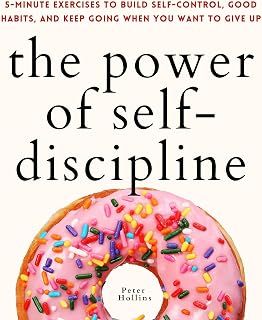
5-minute exercises? Yes, please. This book is perfect for busy people who want micro-habits that compound.

Jocko Willink doesn’t sugarcoat. This field manual is battle-tested for anyone who needs to embrace the suck and grow.

Brian Tracy’s classic teaches you to stop making excuses and start taking responsibility. A perfect companion to your Twitter feed.

Brianna Wiest dives deep into self-sabotage. If you know you’re your own biggest obstacle, this book shows you the way out.
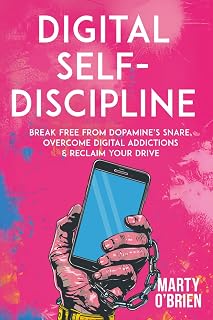
Specifically about breaking free from dopamine addiction. Ideal for anyone who feels trapped by their phone. Pair with your new focused Twitter habits.
Comparison Table: Top Self-Discipline Books to Level Up Your Habit Feed
| Book | Price | Rating | Key Takeaway | Buy at Amazon |
|---|---|---|---|---|
|
$8.66 | 4.7 | Stop making excuses and take full responsibility | Shop Now |
|
Free (audible) | 4.8 | Use environment design and habit stacking | Shop Now |
 |
$6.95 | 4.7 | Small actions lead to big discipline | Shop Now |
|
$12.93 | 4.7 | Embrace discomfort and own your mornings | Shop Now |
|
Free (kindle unlimited) | 4.7 | Transform self-sabotage into self-mastery | Shop Now |
|
$12.99 | 4.8 | Break free from digital addictions | Shop Now |
Daily Rituals to Train Your Self-Discipline Twitter Feed
Building the feed is only half the battle. You also need daily rituals that keep you consistent. Try these:
Morning Scan (3 minutes): Open your discipline list. Read one tweet that challenges you. Set an intention for the day.
Mid‑Day Reset (2 minutes): Check your accountability thread. See if you’re on track with your three priorities. If not, course-correct.
Evening Reflection (5 minutes): Tweet one win and one lesson. This locks in learning and builds public accountability.
Weekly Cleanse (10 minutes): Every Sunday, review who you follow. Unfollow anyone who’s become a distraction. Add one new high-value account.
Common Pitfalls and How to Avoid Them
| Pitfall | Why It Happens | Fix |
|---|---|---|
| You still get distracted by trending topics | The algorithm pulls you in | Use only the list view; turn off notifications |
| You follow too many accounts | Overload leads to inaction | Keep your list under 20 accounts |
| You forget to check your list | No habit trigger | Pair it with an existing habit (e.g., after brushing teeth) |
| You compare yourself to others | Social media envy | Follow people who share struggles, not just wins |
FAQ: Self-Discipline Twitter
1. Can I really build self-discipline just by using Twitter?
Yes, if you curate intentionally. Twitter alone won’t make you disciplined, but it can serve as a daily reminder system. Combine it with books, apps, and real-world habits for best results.
2. How do I find the right accounts for self-discipline Twitter?
Search for terms like “habit,” “willpower,” “morning routine,” and “stoic.” Look for authors of self-discipline books (e.g., James Clear, Brian Tracy) or coaches like Jocko Willink.
3. Should I create a separate Twitter account for discipline?
You can, but it’s not necessary. A private list works just as well. If you want to keep your main feed clean, a second account is a good option.
4. How many accounts should I follow for maximum focus?
Start with 10–15. You can scale up slowly. The goal is quality over quantity.
5. What if I still can’t resist doom‑scrolling?
Use apps like Forest or Freedom to block the main feed. Only allow access to your discipline list.
6. Are there any risks with making my goals public?
There’s a risk of feeling pressure or shame if you fail. But that pressure can also be a powerful motivator. Start small – share only one daily goal.
Your Next Move: Build Your Feed Today
Self-discipline Twitter isn’t magic. It’s a tool. Like any tool, it only works if you pick it up and use it. Start today: unfollow three time-wasting accounts, create a private discipline list, and tweet your top priority for tomorrow.
The version of you who checks your discipline list each morning is the same version who shows up for the hard work. And that version? They’re unstoppable.
Your turn: What’s one habit you’ll commit to starting tomorrow? Tweet it with #SelfDisciplineTwitter and tag an accountability partner. Let’s build this together.