
If you are a Class 6 student or a parent helping your child write a perfect self discipline paragraph for class 6, you have come to the right place. This article gives you a ready-to-use paragraph you can copy right now. But it also goes much deeper. You will learn what self discipline really means, how to practise it with simple everyday examples, and why it is the secret weapon for success in school and life.
We believe that discipline is not about punishment. It is about freedom to become your best self. And the best part? Anyone can learn it. Yes, even you.
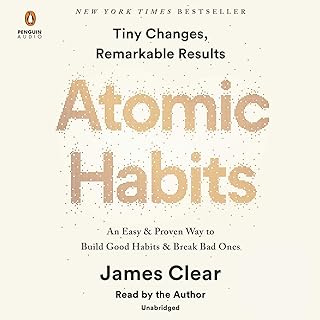
Start building unshakeable habits with Atomic Habits by James Clear.
Table of Contents
What Is a Self Discipline Paragraph for Class 6?
A self discipline paragraph for class 6 is a short piece of writing that explains the meaning of self discipline in simple language. It usually includes examples that a child can relate to and ends with a strong message.
Teachers ask for this paragraph to help students understand the value of self control and good habits. But more than that, writing it helps children reflect on their own behaviour.
The Exact Paragraph You Can Use
Here is a ready-to-use self discipline paragraph for class 6. Feel free to copy it, modify it, or use it as a guide.
Self discipline is the ability to control our actions, thoughts, and feelings to achieve our goals. It means doing what is right even when no one is watching. For example, waking up early to study instead of sleeping late, finishing homework before playing, or saying no to junk food to stay healthy. Self discipline is like a muscle – the more we use it, the stronger it becomes. It helps us score better marks, make good friends, and earn the trust of our parents and teachers. Without self discipline, we waste time and regret later. So let us promise to practise self discipline every day and become the best version of ourselves.
That paragraph works for most school assignments. But let us break it down so you can truly understand and even improve it.
Why Self Discipline Matters for Class 6 Students
Class 6 is a turning point. Subjects get harder. Friends influence you more. Screens call your name. Without self discipline, it is easy to fall behind.
Self discipline helps you:
- Finish homework on time without nagging.
- Resist the urge to watch “just one more” YouTube video.
- Save pocket money instead of spending it all on candy.
- Prepare for tests without last-minute panic.
- Stay calm when someone teases you.
When you practise self discipline early, you build a foundation for high school, college, and career. Every successful person – from athletes to scientists – had to learn it.
Simple Examples of Self Discipline for Kids
The best way to understand self discipline is through real-life examples. Here are six simple ones that can appear in your self discipline paragraph for class 6.
Example 1: Waking Up Early
Instead of hitting the snooze button, you get up at 6 AM to revise maths. That is self discipline. It feels hard at first, but after a week it becomes a habit.
Example 2: Homework Before Play
You have a favourite cartoon at 5 PM, but your homework is due tomorrow. You finish the homework first. That is choosing long-term joy over short-term fun.
Example 3: Saving Money
Your friend buys a new toy, but you save your allowance for a bigger goal, like a bicycle. That delayed gratification is a powerful form of self discipline.
Example 4: Controlling Anger
Your little brother messes up your room. Instead of shouting, you take a deep breath and calmly tell him to help clean. That is emotional self discipline.
Example 5: Eating Healthy
You skip extra chips and choose an apple because you know it is better for your body. Your future self will thank you.
Example 6: Limiting Screen Time
You set a timer for games and stop when it rings – no excuses. This digital self discipline is very important today.
How to Write Your Own Self Discipline Paragraph for Class 6
If you want to write an original paragraph for an exam or homework, follow this simple structure.
| Part | What to Include |
|---|---|
| Opening sentence | Define self discipline in your own words. |
| Body (2–3 sentences) | Give two simple examples from daily life. |
| Closing sentence (strong ending) | Explain why it matters and inspire the reader. |
Here is a template you can fill in.
Self discipline means ____________. For example, I show self discipline when I ____________. Another example is ____________. Self discipline is important because ____________. I will try to be more self disciplined every day.
Now practise. Write your own version and show it to your teacher or parent.
Common Mistakes Students Make in This Paragraph
Even good paragraphs can be improved. Watch out for these errors:
- Too vague: Saying “self discipline is good” without examples is weak. Always add a concrete example.
- Too long: A paragraph should be 5–7 lines. Do not write an essay.
- No personal touch: Use “I” or “we” to make it authentic. Teachers love that.
- Weak ending: End with a call to action or a powerful statement. Do not just trail off.
A strong ending could be: “Self discipline turns dreams into reality, and I will practise it every day.”
Books That Can Teach You More About Self Discipline
Sometimes a paragraph is not enough. You want to dive deeper. Here are some excellent books on the topic. They are perfect for Class 6 students, parents, and teachers.

No Excuses! The Power of Self-Discipline by Brian Tracy – a classic that teaches you to take charge of your life.

Discipline Equals Freedom by Jocko Willink – a no‑nonsense field manual with action steps.
Atomic Habits by James Clear – the best book on building small habits that lead to big results.

Make Your Bed by Admiral William H. McRaven – a short read with powerful life lessons from a Navy SEAL.
Comparison of Top Self Discipline Books
| Book | Price | Rating | Key Idea | Buy at Amazon |
|---|---|---|---|---|
|
$8.66 | 4.7 | Take full responsibility for your life | Buy Now |
|
$12.93 | 4.7 | Action beats motivation every time | Buy Now |
|
$0.00 (free with Audible) | 4.8 | Small changes lead to remarkable results | Buy Now |
|
$6.95 | 4.7 | Start your day with one small victory | Buy Now |
These books will help you understand self discipline beyond the classroom paragraph.
How to Build Self Discipline Like a Pro (Even in Class 6)
You can train your self discipline just like you train for a sport. Here are five practical steps.
Step 1: Start Small
Do not try to change everything at once. Pick one habit – like making your bed every morning. Do it for one week. Success breeds confidence.
Step 2: Remove Temptations
Keep your phone in another room while studying. Place healthy snacks where you can see them. Out of sight, out of mind.
Step 3: Use the “2‑Minute Rule”
If a task takes less than two minutes, do it now. This includes putting away your shoes, cleaning your desk, or replying to a friend’s message.
Step 4: Reward Yourself
After finishing a tough assignment, allow yourself 15 minutes of play. But make sure the reward comes after the work, not before.
Step 5: Find an Accountability Partner
Ask a friend or parent to check on your progress. Simply telling someone your goal makes you more likely to stick to it.
The Science Behind Self Discipline (Simple Explanation)
Scientists have found that self discipline is like a battery. It gets drained when you resist temptations, but you can recharge it with rest and good food.
The prefrontal cortex – the front part of your brain – is the control centre. When you choose homework over games, that part works hard. That is why you feel tired after a day of good behaviour.
But here is the cool part: the more you exercise that brain area, the stronger it becomes. So each time you practise self discipline, you are actually building your brain muscle.
What Teachers and Parents Want from This Paragraph
If you are a parent helping your child, know that teachers value these things:
- Originality: Even if you use a template, encourage the child to add their own example.
- Clarity: The paragraph should be easy to read and follow.
- Reflection: The child should show they understand why self discipline matters.
- Positive tone: No negativity like “I am bad at self discipline”. Focus on improvement.
Funny Things Students Write About Self Discipline (And Why They Are Okay)
Every year, teachers laugh at paragraphs like:
“Self discipline is when I don’t eat my sister’s chocolate even though I want to.”
That is actually perfect! It is a concrete example from a child’s world. Humour helps the message stick. So if your example makes someone smile, keep it.
10 Quick Self Discipline Challenges for Class 6
Want to test yourself? Try these challenges for one week.
- Wake up at the same time every day.
- No screen time before homework.
- Drink water instead of soda at lunch.
- Organise your school bag every evening.
- Spend 10 minutes reading a book.
- Say “thank you” to someone every day.
- Write down three things you learned at school.
- Help with one chore without being asked.
- Save one dollar from your pocket money.
- Smile at someone who looks sad.
Each challenge builds your self discipline muscle.
FAQ: Self Discipline Paragraph for Class 6
What is a good self discipline paragraph for class 6?
A good paragraph defines self discipline, gives two simple examples (like waking up early or doing homework first), and ends with a strong sentence about its importance. Keep it 5–7 lines.
Can I use the paragraph you gave in my exam?
Yes, but try to personalise it. Change the examples to match your own life. Teachers appreciate honesty more than copy‑paste answers.
Why is self discipline important for Class 6 students?
Class 6 is a transitional year. Subjects become more complex, and distractions increase. Self discipline helps you stay focused, manage time, and build habits that last a lifetime.
How can I make my self discipline paragraph unique?
Use an example that only you would have. Maybe you saved money for a gift, or you resisted eating a whole packet of chips. Your unique story makes the paragraph stand out.
What if I struggle with self discipline?
That is completely normal. Everyone struggles at first. Start with one small habit. Use a book like “Atomic Habits” or “No Excuses!” for guidance. Remember: progress, not perfection.
Final Words: Your Self Discipline Paragraph for Class 6 Starts Here
You now have everything you need. A ready-to-use paragraph. Simple examples. Strong ending. And even tips to build self discipline in real life.
Remember, the paragraph is just the beginning. The real challenge is living what you write. When you choose to study instead of scroll, to help instead of ignore, to save instead of spend – you are writing the most important story of all: your life.
So go ahead. Copy that paragraph, add your own example, and hand it in proudly. But more importantly, practise self discipline in one small thing today.
Your future self will thank you.
Five-minute exercises to build self control – get the book now.