
You know that feeling when you wake up determined to crush the day, only to find yourself scrolling social media two hours later? We have all been there. Self-discipline isn’t a magic switch you flip. It is a skill you build, one small win at a time. And the best part? You can transform your habits in just six weeks if you follow a proven plan.
This guide gives you a self discipline in 6 weeks roadmap. Week by week, you will learn exactly what to do to break excuses, stay consistent, and finally stick with your goals. No fluff, no hype. Just real steps that work.
If you want to go deeper, grab a copy of No Excuses!: The Power of Self-Discipline by Brian Tracy. It’s a classic that has helped thousands build rock‑solid discipline. But first, let’s lay the foundation.
Table of Contents
Why 6 Weeks? The Science of Habit Formation
Researchers have found that it takes, on average, 66 days to form a new habit. But six weeks (42 days) is enough to create a strong neural pathway if you are intentional. In six weeks you can:
- Rewire your brain to choose hard work over instant gratification.
- Replace old excuses with empowering beliefs.
- Develop a routine that sticks even when motivation fades.
The key is to start small and increase the challenge each week. This plan does exactly that.
Week 1: Awareness and Commitment
The first week is about waking up to your patterns. You cannot fix what you don’t see.
Action Steps
- Keep a “Discipline Journal” – For seven days, write down every time you give in to an excuse or distraction. Note the time, the trigger, and how you felt.
- Define one non‑negotiable goal – Pick one goal that matters most (e.g., waking at 6 AM, writing 500 words a day, exercising 20 minutes). This is your anchor for the next 42 days.
- Remove one temptation – Choose one environment change that makes the wrong choice harder. For example, move your phone charger out of the bedroom.
Example: Sarah wanted to stop snoozing her alarm. She placed her phone across the room. The first three mornings were rough, but by day five she was getting up on the first ring.
By the end of Week 1, you will have a clear picture of where you leak discipline and a single commitment to protect.
Week 2: Build a Tiny Habit Streak
Now that you are aware, it is time to take action. Week 2 focuses on building a streak of tiny wins.
Action Steps
- Choose a 5‑minute micro‑habit related to your goal. If your goal is exercise, commit to 5 minutes of stretching. If it’s writing, write one sentence.
- Use the “Don’t Break the Chain” method – Mark an X on a calendar every day you complete your micro‑habit. The visual chain will motivate you.
- Set a fixed trigger – Attach the new habit to an existing routine (e.g., after brushing your teeth, do your 5‑minute habit).
Watch out for: The “all‑or‑nothing” trap. If you miss a day, do not give up. Just restart the next day.
By the end of Week 2, you will have built a consistent micro‑habit that feels almost automatic.
Week 3: Expand the Window of Discomfort
Discipline grows when you willingly do things you don’t feel like doing. Week 3 is about leaning into discomfort.
Action Steps
- The 10‑minute rule – When you feel resistance to a task, tell yourself you will do it for just 10 minutes. After 10 minutes you can quit, but most of the time you will keep going.
- Practice delayed gratification – Every time you crave a distraction (checking notifications, eating junk), wait for 5 minutes before giving in. Stretch that wait time each day.
- Cold shower challenge – Take a cold shower for 30 seconds after your warm shower. It builds mental toughness fast.
Pro tip: Pair this week with reading Discipline Is Destiny by Ryan Holiday. The stoic wisdom will fortify your resolve.
Week 4: Eliminate the Excuse Factory
Excuses are stories your brain tells you to protect you from discomfort. Week 4 is about rewriting those stories.
Action Steps
- Identify your top three excuses – Write them down. For each one, write a counter‑statement. Example: “I’m too tired” becomes “I’ll do it for 5 minutes and then decide if I’m truly too tired.”
- Create an “If‑Then” plan – For each common excuse, plan a specific response. “If I feel like skipping my workout, then I will put on my shoes and stand still for 60 seconds.”
- Remove decision fatigue – Simplify your morning routine. Lay out clothes, prepare lunch, and decide your top priority the night before.
Checklist for Week 4:
- List of top 3 excuses reframed.
- At least one If‑Then plan written.
- Nightly preparation ritual started.
Week 5: Optimize Your Environment
Your environment either supports your discipline or sabotages it. This week you design your space for success.
Action Steps
- Declutter your workspace – Remove anything that does not serve your goal. Put your phone in another room during focused work.
- Use friction against bad habits – Make it hard to do the wrong thing. For junk food, throw it away or keep it out of the house.
- Use priming for good habits – Make it easy to do the right thing. If you want to read, leave your book on the pillow.
A powerful read for this week is Atomic Habits by James Clear. His environment design strategies are second to none.
Week 6: Lock in Long‑Term Consistency
You have built momentum. Now you make it permanent.
Action Steps
- Set a “next level” mini‑goal – Increase the challenge slightly (e.g., from 20 minutes of exercise to 25). The key is to avoid plateau.
- Review your progress – Look back at your journal from Week 1. Celebrate how far you have come. This reinforces your identity as a disciplined person.
- Create an accountability system – Share your goal with a friend, join a community, or use an app like StickK to put money on the line.
Final challenge: Pick one new habit to start immediately after this program. Don’t stop. Self‑discipline is a lifelong skill, but you now have the blueprint.
Common Barriers to Self Discipline in 6 Weeks (and How to Overcome Them)
Even with the best plan, obstacles will appear. Here is how to handle the most common ones.
“I Keep Slipping Up”
Slip‑ups are part of the process. The difference between those who succeed and those who quit is how quickly they get back on track. Use the two‑day rule: never miss two days in a row. One miss is a mistake, two is a pattern.
“I Don’t Feel Motivated”
Motivation is unreliable. Discipline is reliable. On low days, rely on your systems. Ask yourself: “What would the disciplined version of me do right now?” Then do it, even if it’s just a tiny version.
“Life Got in the Way”
Life will get in the way. That is why you need a flexible plan. If you miss a week, restart from Week 1. The six‑week countdown resets, but your progress does not. You have learned what tripped you up.
Recommended Resources to Supercharge Your Self Discipline
The right tools can accelerate your progress. Below are top books that align perfectly with this self discipline in 6 weeks plan. Click on the images to check them out on Amazon.

No Excuses!: The Power of Self-Discipline by Brian Tracy – $8.66 – 4.7 stars
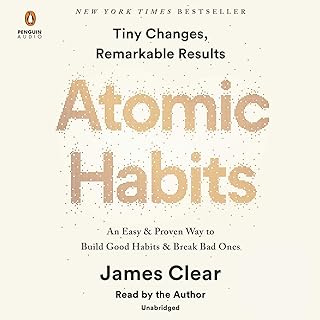
Atomic Habits by James Clear – $0.00 (free with Audible trial) – 4.8 stars (148,600+ ratings)
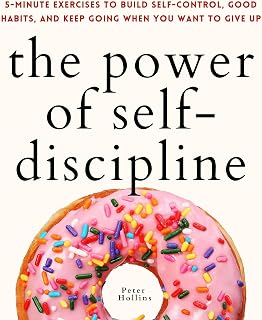
The Power of Self-Discipline: 5‑Minute Exercises – $0.00 (free with Kindle Unlimited) – 4.4 stars

Discipline Equals Freedom by Jocko Willink – $12.93 – 4.7 stars (8,800+ ratings)

The Mountain Is You by Brianna Wiest – $0.00 (free with Kindle Unlimited) – 4.7 stars (27,900+ ratings)
Comparison Table: Best Books for Self Discipline
| Product | Price | Rating | Image | Buy at Amazon |
|---|---|---|---|---|
| No Excuses!: The Power of Self-Discipline | $8.66 | ⭐ 4.7 | |
Buy Now |
| Atomic Habits | Free (with trial) | ⭐ 4.8 | |
Buy Now |
| Discipline Equals Freedom | $12.93 | ⭐ 4.7 | |
Buy Now |
| The Mountain Is You | Free (with Unlimited) | ⭐ 4.7 | |
Buy Now |
| The Power of Self-Discipline (5‑Minute Exercises) | Free (with Unlimited) | ⭐ 4.4 | |
Buy Now |
Frequently Asked Questions About Self Discipline in 6 Weeks
Can I really build self-discipline in just 6 weeks?
Yes. Six weeks is long enough to rewire a habit loop if you apply consistent effort. It is also short enough to maintain motivation. The key is to start small and gradually increase the challenge, exactly as this plan outlines.
What if I miss a whole week?
Don't panic. Simply pick up where you left off. If you miss Week 3, repeat Week 2 first to rebuild momentum. The important thing is to never let a slip turn into a full stop.
Is this plan suitable for complete beginners?
Absolutely. The first week requires no willpower beyond self‑awareness. Each week builds on the previous one, so by the time you face bigger challenges in Weeks 4‑6, you have already developed the necessary skills.
How do I stay motivated after the six weeks are over?
After six weeks, your “why” should be stronger. Review your journal, set a new mini‑goal, and consider joining a community. The book 365 Days With Self‑Discipline gives you a daily dose of inspiration to keep going.
Should I use apps or willpower alone?
Apps can help, but they are not essential. The most effective tool is your environment and your commitment. However, if you struggle with digital distractions, check out Digital Self‑Discipline – it has a 4.8 rating and tackles exactly that.
Final Thoughts: Your 6‑Week Transformation Starts Today
Self‑discipline is not about being perfect. It is about showing up again and again, even when it’s hard. This self discipline in 6 weeks plan gives you the structure, but you supply the grit. Start Week 1 today. Keep your journal handy, remove one temptation, and commit to your one goal.
Six weeks from now, you will look back and see how far you have come. You will have broken excuses, built consistency, and proven to yourself that you can stick with any goal you set.
The only person stopping you is you, and you have just read how to get out of your own way.
Now go make it happen.