
What does self discipline in Chinese really mean? If you’re looking to build a stronger mindset, understanding the language behind it can be a game-changer. In Mandarin, self discipline is most often translated as 自律 (zì lǜ) — a term that combines the characters for “self” and “law.” The concept goes beyond simple willpower; it’s about aligning your actions with your deepest values.
But here’s the thing: self discipline in Chinese culture is deeply tied to philosophy, tradition, and social harmony. By learning the key phrases and cultural nuances, you don’t just learn a word — you adopt a whole framework for personal growth. Whether you’re studying the language or just want to sharpen your mental toughness, these insights will help you master the art of consistent action.
We’re going to break down the most useful Chinese phrases for self discipline, explore the cultural roots that make them powerful, and show you how to apply this ancient wisdom to your modern life. Plus, we’ll look at some of the best books on self discipline to deepen your practice.
Table of Contents
What Does Self Discipline Mean in Chinese?
The core translation of self discipline in Chinese is 自律 (zì lǜ). Let’s look at the characters:
- 自 (zì) — self, oneself, from within
- 律 (lǜ) — law, rule, regulation, or to govern
Together, it paints a picture of self-governing. It’s not about rigid control or punishment. It’s about setting your own internal law and living by it.
Other common terms include:
- 自我控制 (zì wǒ kòng zhì) — self-control, more about emotional regulation
- 自制力 (zì zhì lì) — the power of self-control, often used in everyday speech
- 自律性 (zì lǜ xìng) — the quality of being self-disciplined
In Chinese culture, 自律 is considered a fundamental virtue. It appears in classrooms, business training, and personal development. Children are taught to 自律 early — it’s seen as the foundation for success and respect within the community.
Key Chinese Phrases for Self Discipline
If you want to internalize the mindset, start using these phrases regularly. Say them out loud, write them in a journal, or set them as phone reminders.
| Chinese Phrase | Pinyin | English Meaning | Usage |
|---|---|---|---|
| 我要更自律 | wǒ yào gèng zì lǜ | I want to be more self‑disciplined | Goal setting |
| 坚持就是胜利 | jiān chí jiù shì shèng lì | Persistence is victory | Motivation |
| 持之以恒 | chí zhī yǐ héng | Persevere with constant effort | Habit building |
| 克制自己 | kè zhì zì jǐ | Restrain yourself | Resisting temptation |
| 自我要求 | zì wǒ yāo qiú | Self‑demand / personal standards | High expectations |
| 不放弃 | bù fàng qì | Don’t give up | Encouragement |
| 每天进步一点点 | měi tiān jìn bù yī diǎn diǎn | Improve a little every day | Kaizen‑style growth |
| 自律给我自由 | zì lǜ gěi wǒ zì yóu | Self‑discipline gives me freedom | Popular motto |
The last phrase — 自律给我自由 — is a modern slogan often used by Chinese fitness and productivity influencers. It captures the paradox: by imposing structure, you actually liberate yourself to achieve what matters.
The Cultural Nuances Behind Self Discipline in Chinese Culture
Self discipline in Chinese thought is not just a personal trait. It’s woven into centuries of philosophy, especially Confucianism, Daoism, and even modern socialist education.
Confucianism emphasizes self-cultivation (修身, xiū shēn) as the first step toward harmony in family, society, and the world. The idea is: if you cannot govern yourself, how can you govern others? This makes self discipline in Chinese culture a moral duty, not just an option.
Daoism offers a different lens. It teaches wu wei (无为) — effortless action. That doesn’t mean laziness. It means aligning with the natural flow of life so that disciplined action becomes easy. True self discipline is when you don’t have to fight yourself anymore.
Face (面子, miàn zi) also plays a role. In Chinese societies, losing face can happen when you show lack of control — eating too much, losing your temper, failing to keep a promise. Self discipline helps you maintain face, which is crucial for social credibility.
Finally, the modern Chinese education system drills 自律 from primary school. Students are ranked by their “self‑management ability” (自我管理能力). This cultural emphasis means that many Chinese people equate success with disciplined habits.
How Learning Chinese Self Discipline Phrases Can Boost Your Mindset
Why bother learning these phrases if you don’t speak Chinese? Because language shapes thinking. When you repeat a foreign phrase, you activate new neural pathways and emotional associations.
- Emotional novelty — A phrase like “持之以恒” feels different from “just keep going.” It carries centuries of scholarly weight.
- Mental framing — Saying “自制力” (self-control power) reinforces that discipline is a skill, not an innate trait.
- Identity shift — Calling yourself “一个自律的人” (a self‑disciplined person) makes you act accordingly.
Try this: Write 自律给我自由 on a sticky note and put it on your mirror. Every morning, read it aloud. It’s a tiny ritual that primes your brain for consistency.
Recommended Books to Strengthen Self Discipline
To go deeper, combine the Chinese mindset with proven strategies from top authors. These books will give you the practical toolkit while the phrases anchor the cultural wisdom. Check out these highly rated titles available on Amazon.
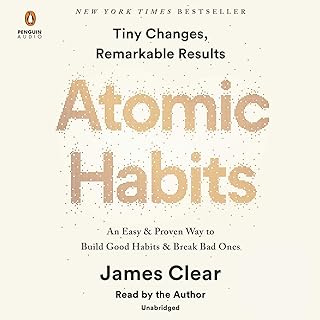
Atomic Habits by James Clear (4.8 stars, over 148,000 ratings) is the modern classic on building small systems that lead to massive results. The core idea — focus on your identity, not your goal — aligns perfectly with the Chinese concept of 自律 as a way of being.

No Excuses!: The Power of Self-Discipline by Brian Tracy (4.7 stars, 3,800 ratings) is a straightforward, no‑nonsense guide to taking complete control of your life. It covers everything from time management to financial discipline.

Discipline Equals Freedom: Field Manual Mk1-MOD1 by Jocko Willink (4.7 stars, 8,800 ratings) is a raw, motivational field manual. The title itself echoes the Chinese idea that 自律 gives you 自由 (freedom). Jocko’s tough‑love approach will push you to act.

The Mountain Is You: Transforming Self-Sabotage into Self-Mastery by Brianna Wiest (4.7 stars, 27,900 ratings) takes a psychological approach. It helps you understand why you sabotage your own discipline and how to transform that inner resistance into strength.

The Power of Discipline: How to Use Self Control and Mental Toughness to Achieve Your Goals by Daniel Walter (4.6 stars, 11,200 ratings) is a concise guide to building willpower and mental toughness. Perfect for anyone wanting a quick, actionable roadmap.

365 Days With Self-Discipline: 365 Life-Altering Thoughts on Self-Control, Mental Resilience, and Success by Martin Meadows (4.5 stars, 948 ratings) offers a daily dose of wisdom. Each day you get a short reflection, making it easy to build a consistent practice.
Comparison Table of Top Self Discipline Books
| Book | Rating | Price | Key Focus | Buy at Amazon |
|---|---|---|---|---|
| Atomic Habits |
4.8 | $0.00 (audible) / varies | Habit systems, identity change | Buy |
| No Excuses! |
4.7 | $8.66 | All‑round discipline, time, money | Buy |
| Discipline Equals Freedom |
4.7 | $12.93 | Military‑style mental toughness | Buy |
| The Mountain Is You |
4.7 | $0.00 (audible) / varies | Overcoming self‑sabotage | Buy |
| The Power of Discipline |
4.6 | $16.83 | Step‑by‑step mental toughness | Buy |
| 365 Days With Self-Discipline |
4.5 | $0.00 (audible) / varies | Daily inspiration & resilience | Buy |
These books range from systems (Atomic Habits) to motivational fire (Discipline Equals Freedom). Choose the one that matches your current need. The best approach is to combine reading with practicing the Chinese phrases we covered.
Practical Steps to Apply Self Discipline in Chinese
Theory is useless without action. Here are five ways to embed self discipline in Chinese into your daily routine.
1. Write Morning Affirmations in Chinese
Every morning, write 3 sentences. Example:
- 今天我会自律 (Jīntiān wǒ huì zì lǜ) — Today I will be self‑disciplined.
- 我会坚持到底 (Wǒ huì jiān chí dào dǐ) — I will persist until the end.
- 自律给我自由 (Zì lǜ gěi wǒ zì yóu) — Self‑discipline gives me freedom.
2. Use a 自律 Tracker
Create a simple habit tracker labeled 自律记录表 (zì lǜ jì lù biǎo). Each day you complete your most important task, check the box. Over time, the visual streak motivates you.
3. Meditate with Chinese Mantras
Sit quietly and repeat 持之以恒 slowly. Focus on the sound and meaning. This couples mindfulness with the discipline mindset.
4. Study One Phrase Per Week
Don’t overwhelm yourself. Pick one phrase (e.g., 不放弃) and make it your theme for the week. Say it when you feel like quitting.
5. Read One Book from the List Above
Start with The Power of Self-Discipline: 5-Minute Exercises if you have limited time. The exercises are bite‑sized, perfect for building momentum.
FAQ About Self Discipline in Chinese
What is self discipline in Chinese simplified characters?
Self discipline is written as 自律 in simplified Chinese (used in mainland China). In traditional characters (used in Taiwan and Hong Kong), it is also 自律 — the characters are the same.
Is self discipline considered a virtue in Chinese culture?
Absolutely. Confucian philosophy places it at the foundation of personal and social harmony. The well‑known saying “修身齐家治国平天下” (cultivate yourself, regulate the family, govern the state, pacify the world) starts with self‑discipline.
How do you say “I need more self discipline” in Chinese?
You can say: 我需要更多自律 (wǒ xū yào gèng duō zì lǜ). Or more naturally: 我要加强自律 (wǒ yào jiā qiáng zì lǜ) — I want to strengthen my self‑discipline.
Can learning Chinese help me become more disciplined?
Yes. Studies in second‑language acquisition show that learning a new language increases cognitive control and delayed gratification. Additionally, the cultural emphasis on discipline in Chinese‑speaking societies can inspire you.
What is the difference between 自律 and 自制力?
自律 (zì lǜ) is the broader concept of self‑discipline as a lifestyle and moral quality. 自制力 (zì zhì lì) refers more to the specific “power of self‑control” in a moment of temptation. You want to cultivate 自律 so that you don’t have to rely on 自制力 all the time.
Which book on self discipline is best for beginners?
Start with Atomic Habits by James Clear — it’s accessible, evidence‑based, and aligns beautifully with the Chinese principle of small, consistent improvements (每天进步一点点). If you prefer something more direct, No Excuses! by Brian Tracy is a close second.
Embrace the Path of 自律
Self discipline in Chinese isn’t just a translation — it’s a doorway into a powerful mindset shaped by thousands of years of wisdom. By learning phrases like 自律 and 持之以恒, you connect with a tradition that views discipline not as punishment, but as the path to true freedom.
Now it’s your turn. Pick one phrase from this article. Write it down. Say it out loud. Use it as your anchor when you want to quit early or scroll mindlessly. The language will seep into your subconscious and shift how you see yourself.
Remember: 自律给我自由. Discipline gives you the freedom to become who you’re meant to be.
Start today. One phrase. One action. One disciplined life.