
You set a goal, you feel fired up, and then… nothing. The alarm goes off and you hit snooze. The workout plan stays untouched. The project you swore you’d finish sits open on your laptop as you scroll through your phone instead. If you’ve ever asked yourself, “Why do I have no self discipline?” you are not broken, lazy, or weak. You are human. And the good news? Self-discipline is a skill you can build, not a trait you are born with.
This article will cut through the noise and show you exactly why self-discipline feels so hard and what you can do about it. We’ll dig into the real causes, from brain chemistry to environment, and give you a clear, actionable plan to turn things around. No fluff. No fake motivation. Just real answers that stick.
Table of Contents
What Does “Why Do I Have No Self Discipline” Actually Mean?
When you ask yourself that question, you’re really asking: “Why can’t I make myself do the things I know I should do, even when I want to?” The answer is rarely laziness. More often, it’s a combination of hidden factors that drain your willpower before you even start. Let’s look at the most common culprits.
The Most Common Causes of Low Self-Discipline
1. You’re Trying to Change Too Much Too Fast
We all love the idea of a total life overhaul. But your brain hates big, sudden changes. When you set a massive goal like “wake up at 5 AM, work out, eat clean, meditate, and learn a new language,” your brain sees a threat. It triggers stress and resistance. Before long, you give up because the bar is too high.
The fix: Start with one small habit. Make it so easy you can’t say no. One push-up. One page read. Five minutes of focus. Small wins build momentum.
2. Your Environment Works Against You
If your phone is next to your bed, your kitchen is full of junk food, and your workspace is cluttered, your willpower is fighting a losing battle. Self-discipline isn’t just about inner strength; it’s about designing your surroundings to support your goals.

The fix: Make the right choice the easiest choice. Put your alarm clock across the room. Delete social media apps. Keep healthy snacks visible. For deep insight into breaking digital addictions, check out Digital Self-Discipline: Break Free from Dopamine’s Snare, Overcome Digital Addictions & Reclaim Your Drive.
3. You’ve Built a Tolerance for Quick Dopamine Hits
Every notification, every video, every tiny distraction gives your brain a small hit of dopamine. Over time, you get hooked on instant gratification. Long-term rewards like finishing a degree or getting fit just can’t compete with the immediate buzz of a like or a funny meme.
The fix: Schedule “deep work” blocks where you turn off all notifications. Use apps that block distractions. Retrain your brain to enjoy the slow burn of meaningful work.
4. You’re Afraid of Failure (or Success)
Sometimes lack of discipline is actually fear in disguise. If you don’t try, you can’t fail. If you never start that business, you never have to face the possibility that it might not work. Perfectionism keeps you stuck in “planning mode” forever.
The fix: Give yourself permission to be messy. Success isn’t about being perfect; it’s about showing up again and again. For a brilliant perspective on overcoming self-sabotage, read The Mountain Is You: Transforming Self-Sabotage into Self-Mastery. It’s a game changer.
5. You Have Unrealistic Expectations About Motivation
Many people believe they need to “feel motivated” to take action. But motivation is fickle. It comes and goes. Discipline, on the other hand, is about acting regardless of how you feel. Waiting for motivation is like waiting for the perfect weather to start a journey.
The fix: Take action first. Motivation will follow. The first step is always the hardest, so make it tiny. Want to exercise? Just put on your shoes. That’s it. Often, that small move breaks the resistance.
6. Your Energy Is Depleted
Willpower is like a muscle. It gets tired. If you’re sleep-deprived, stressed, or eating poorly, your self-discipline reserves are empty. You can’t willpower your way through exhaustion.
The fix: Prioritize sleep, nutrition, and movement. Self-care isn’t selfish; it’s the foundation of discipline. For a 30-day plan to rebuild your discipline from the ground up, try Self Discipline: 30 Days to Self Discipline: 30 Days to Greatness, Volume 2.
7. You Lack a Clear “Why”
When your goal is vague (like “get more disciplined”), your brain doesn’t see a reason to act. But if you tie your actions to a deep value or a meaningful identity, the fire ignites. For example, “I want to be the kind of father who has the energy to play with his kids” is far more powerful than “I should work out.”
The fix: Write down your deeper reason. Revisit it daily. Anchor your habits to your identity. For a guide that helps you rewire your brain for consistent action, check out The Psychology of Self-Discipline: Twenty-Four Proven Strategies to Rewire Your Brain for Consistent Action.
What the Science Says About Self-Discipline
Research shows that self-discipline is a limited resource that can be strengthened over time, much like a muscle. The key is to build habits that automate good behavior, so you don’t rely on willpower alone. James Clear’s “Atomic Habits” popularized the idea of 1% improvements. The best time to start building discipline is now. The second best time is five minutes from now.
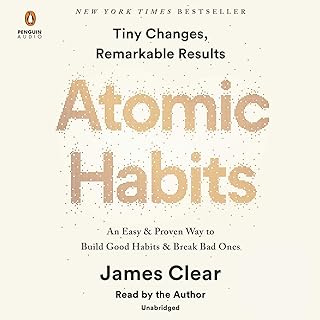
For a deep dive into habit formation, Atomic Habits: An Easy & Proven Way to Build Good Habits & Break Bad Ones is a must-read.
What to Do Next: Your Action Plan
Step 1: Identify Your Biggest Trigger
Take a day to log every moment you feel “undisciplined.” What were you doing? Where were you? Who was with you? Patterns will emerge. Maybe you always slip after dinner, or when you’re bored at work. Once you know your trigger, you can plan for it.
Step 2: Set One Keystone Habit
A keystone habit is a small change that triggers a cascade of positive behaviors. Examples: making your bed, drinking water first thing, or a 5-minute morning walk. Choose one and commit to it for 30 days.
Step 3: Use the “Two Minute Rule”
When you don’t feel like doing something, tell yourself you’ll do it for just two minutes. Read one page. Write one sentence. Stretch for 120 seconds. Often, starting is the battle; two minutes turns into twenty.
Step 4: Create an Accountability System
Tell a friend, join a group, or use an app. Public commitment raises the stakes. You can also use a visual tracker like a habit calendar. One powerful method is the “don’t break the chain” approach.
Step 5: Read Books That Rewire Your Mindset
The right resources can accelerate your growth. Here are some top recommendations:
- No Excuses!: The Power of Self-Discipline by Brian Tracy – a classic that gets straight to the point.
- Discipline Equals Freedom: Field Manual Mk1-MOD1 by Jocko Willink – hardcore motivation for action.
- The Power of Self-Discipline: 5-Minute Exercises to Build Self-Control, Good Habits, and Keep Going When You Want to Give Up – bite-sized training for your willpower muscle.
- Mindful Self-Discipline: Living with Purpose and Achieving Your Goals in a World of Distractions – blends mindfulness with discipline.
- The Four Agreements: A Practical Guide to Personal Freedom – a spiritual yet practical framework for self-mastery.
Step 6: Forgive Yourself and Start Again
The biggest enemy of self-discipline is the “all or nothing” mindset. You miss one day and think, “Well, I blew it. Might as well quit.” That’s a trap. Imperfect action beats perfect inaction every time. Forgive yourself, reset, and do one small thing right now.
Comparison of Top Self-Discipline Books
Here are some of the most effective resources to help you build self-discipline. Each book offers a unique angle, so choose the one that resonates with you most.
| Book | Price | Rating | Key Focus | Buy at Amazon |
|---|---|---|---|---|
|
$0.00 (audiobook) | 4.8 out of 5 | Habit formation and small improvements | Buy at Amazon |
 |
$0.00 (audiobook) | 4.7 out of 5 | Overcoming self-sabotage | Buy at Amazon |
 |
$8.66 | 4.7 out of 5 | Practical self-discipline strategies | Buy at Amazon |
 |
$5.88 | 4.7 out of 5 | Stoic self-control and virtue | Buy at Amazon |
 |
$16.83 | 4.6 out of 5 | Mental toughness and goal achievement | Buy at Amazon |
Frequently Asked Questions About Self-Discipline
Why do I have no self discipline?
The most common reasons include trying to do too much too fast, a cluttered environment, excessive dopamine from screens, fear of failure, low energy, and a lack of a clear “why.” The good news is that self-discipline can be trained like a muscle.
Can self-discipline be learned or is it genetic?
It can absolutely be learned. While some people may have a slight genetic advantage, research shows that self-discipline is largely a skill developed through practice, habit formation, and environmental design.
How long does it take to build self-discipline?
There’s no fixed timeline, but many experts suggest that 30 days of consistent small actions can create a noticeable shift. More lasting change often takes 60 to 90 days of repeated behavior.
What are the best books to improve self-discipline?
Top recommendations include Atomic Habits, No Excuses!, The Mountain Is You, Discipline Is Destiny, and The Power of Self-Discipline. Each book offers practical techniques. See the comparison table above for key details.
How do I stop procrastinating and start doing?
Use the Two Minute Rule: do the first small step for two minutes. Also, remove distractions from your environment. Visualize your future self who already did the work. And most importantly, forgive yourself and start again when you slip.
Final Thoughts: Your Next Right Step
You now know the real reasons behind “why do I have no self discipline.” It’s not because you’re flawed. It’s because you’ve been fighting the wrong battles with the wrong tools. The path forward is not about becoming a superhuman; it’s about making small, smart changes that stack up over time.
Start today. Pick one thing from this article. Do it for two minutes. Then do it again tomorrow. That’s discipline in action. And remember, every master was once a beginner who never gave up.
You’ve got this. Now go take that first step.