
You’ve set big goals. You’ve written them down, visualized them, maybe even told your friends. But when your alarm goes off at 5:00 a.m., your bed feels like a warm hug from a grizzly bear. The gap between intention and action? That’s where self-discipline lives.
The high performance playbook guide to self discipline isn’t about white-knuckling through life or punishing yourself for every slice of pizza. It’s a system. A repeatable set of routines, rules, and recovery habits that turn discipline from a struggle into a default setting. The kind of setup that makes consistency feel almost automatic.
If you’ve ever wondered why some people seem to have bottomless willpower while you’re stuck fighting the same temptation every day, the answer isn’t magic. It’s a playbook. And you’re about to build yours.

Table of Contents
What Exactly Is "the High Performance Playbook Guide to Self Discipline"?
Let’s clear up one thing right away: self-discipline is not a personality trait. It’s a skill. A muscle that you can train, rest, and strengthen over time. The high performance playbook guide to self discipline is a structured approach to building that muscle using three distinct pillars.
Think of it like an athlete’s training regimen. No elite performer wakes up one day with a six-pack and a gold medal. They follow a plan. They have specific routines that automate good decisions, rules that eliminate decision fatigue, and recovery habits that prevent burnout.
This playbook isn’t about grinding until you collapse. It’s about designing your life so that the right choices become easier than the wrong ones. When you understand that, you stop relying on motivation and start relying on systems.
The Three Pillars of Self-Discipline
To build unshakeable consistency, you need three things working together. Remove any one, and the whole structure wobbles. Here they are:
- Routines: The automated behaviors that run on autopilot.
- Rules: The non-negotiable boundaries that protect your focus.
- Recovery Habits: The practices that recharge your willpower battery.
Let’s dive deep into each.
Routines: The Scaffolding of Consistency
Routines are the backbone of the high performance playbook guide to self discipline. They reduce the number of decisions you have to make each day, which conserves mental energy for the hard stuff. Without routines, every small action becomes a negotiation with yourself.
Morning rituals are a classic example. Do you want to wake up and immediately decide whether to exercise, meditate, or scroll Instagram? Or do you want a pre-written script that kicks off your day on purpose?
A strong morning routine might include:
- Waking up at the same time every day (yes, even weekends)
- Drinking water, moving your body, and getting natural light
- Focusing on one high-priority task before checking email
The same applies to your evenings. An evening wind-down routine signals to your brain that it’s time to shut off, helping you sleep better and wake up with stronger willpower.
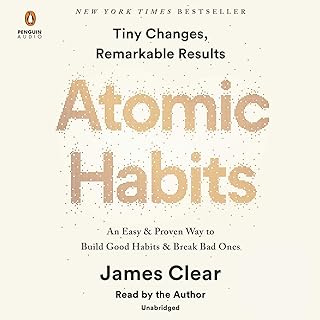
One of the most powerful routine-building tools is habit stacking. You take a current habit (like brushing your teeth) and attach a new one (like doing ten push-ups). Over time, the new habit becomes automatic. James Clear’s Atomic Habits explains this beautifully. The book has a 4.8 rating and over 148,000 reviews for good reason. It’s a masterclass in building routines that actually stick.
But routines alone aren’t enough. You also need clear rules.
Rules: Your Non-Negotiable Boundaries
Rules simplify decisions. When you set a rule, you remove the need to debate with yourself every single time. For example: “I never check my phone during the first hour of the day.” That’s a rule, not a routine. You don’t decide if you’ll check it today; you just don’t.
The high performance playbook guide to self discipline relies on a small set of powerful rules. Here are some that high performers commonly use:
- The 2-Minute Rule: If a task takes less than two minutes, do it immediately.
- The No-Zero Days Rule: Every day, do at least one thing that moves you toward your goal.
- The 80/20 Rule: Spend 80% of your energy on the 20% of activities that produce the most results.
- The “No Excuses” Rule: Brian Tracy’s book No Excuses!: The Power of Self-Discipline (4.7 rating, $8.66) is the ultimate guide to this mindset. It drives home the truth that discipline isn’t about feeling like it. It’s about doing it anyway.

Rules also protect you from digital distractions. The book Digital Self-Discipline (4.8 rating, $12.99) tackles the dopamine trap head-on. It offers actionable strategies to break free from addictive apps and reclaim your focus.
But here’s the part most people forget: rules work best when you also have recovery habits.
Recovery Habits: The Secret to Long-Term Consistency
Willpower is a finite resource. The more you use it during the day, the less you have left. That’s called ego depletion, and it’s real. If you push yourself constantly without proper recovery, your discipline will crack.
Recovery habits are the unsung heroes of the high performance playbook guide to self discipline. They include:
- Quality sleep (7–9 hours, consistent schedule)
- Active rest (walks, light stretching, hobbies)
- Mindfulness or meditation (even five minutes resets your brain)
- Nutrition (stable blood sugar prevents willpower crashes)
The book Mindful Self-Discipline (4.7 rating, free on Audible) focuses on exactly this: living with purpose while managing distractions. It teaches you to pause before reacting, which is the single most important skill for self-control.
Another excellent resource is 365 Days With Self-Discipline (4.5 rating, free on Audible). It’s a daily devotional for your willpower, offering one thought per day to keep you on track. Consistency is built one day at a time, and this book helps you stay in the game.

How to Build Your Personal Self-Discipline Playbook
Now that you know the three pillars, it’s time to assemble them into your own playbook. Follow these steps:
Step 1: Audit Your Current State
List your current routines, rules (if any), and recovery habits. Be honest. Where are you leaking willpower? Identify the one or two areas that cause the most friction.
Step 2: Design One Routine
Start small. Pick one morning or evening routine and commit to it for 30 days. Use habit stacking to anchor it. For example: “After I brew my coffee, I will write down my top three priorities for the day.”
Step 3: Set Three Non-Negotiable Rules
Write them down. Put them on a sticky note on your monitor. Examples: “I will not open social media before 10 a.m.” or “I will work on my most important task for 25 minutes before checking email.”
Step 4: Schedule Recovery
Block time for sleep, rest, and play. If you don’t schedule recovery, your brain will force it (and it won’t be pretty). Treat recovery as part of the playbook, not a luxury.
Step 5: Review and Adjust Weekly
Every Sunday, review what worked and what didn’t. Tweak your routines and rules. Remember, this is a living document, not a stone tablet.
Top Resources to Supercharge Your Self-Discipline
To help you build your playbook, here are some of the most highly-rated books on self-discipline, self-control, and mental toughness. All are available on Amazon, and each brings a unique angle to the table.
| Product | Price | Rating | Best For | Buy at Amazon |
|---|---|---|---|---|
|
$0.00 (Audible) | 4.8 | Building tiny habits that stick | Buy Now |
|
$16.83 | 4.6 | Using self-control and mental toughness to achieve goals | Buy Now |
 |
$12.93 | 4.7 | Hardcore field manual from Jocko Willink | Buy Now |
 |
$0.00 (Audible) | 4.7 | Overcoming self-sabotage and mastering yourself | Buy Now |
 |
$5.88 | 4.7 | Stoic philosophy for self-control | Buy Now |
|
$8.66 | 4.7 | Classic no-nonsense discipline training | Buy Now |
Each of these books aligns with different aspects of the high performance playbook guide to self discipline. Atomic Habits is your go-to for routines. Discipline Equals Freedom (by Jocko Willink) is the ultimate rulebook for mental toughness. The Mountain Is You helps you with recovery habits by addressing the internal sabotage that undermines your discipline.
Overcoming the Most Common Self-Discipline Pitfalls
Even with a solid playbook, you’ll hit roadblocks. Here’s how to handle them.
Pitfall 1: All-or-Nothing Thinking
You miss one day at the gym and suddenly decide you’ve “ruined everything.” This is the enemy of consistency. The high performance playbook guide to self discipline includes a rule: never miss twice. One slip is a mistake. Two slips is a new habit.
Pitfall 2: Trying to Change Everything at Once
Willpower has a limit. If you try to overhaul your diet, exercise, sleep, and work habits simultaneously, you’ll crash. Pick one routine to master first. Then layer on the next.
Pitfall 3: Neglecting Recovery
You might think you’re being disciplined by working 14-hour days and skipping sleep. You’re not. You’re just borrowing from tomorrow’s willpower. Recovery habits are not optional. They are part of the playbook.
Pitfall 4: Forgetting Your “Why”
Discipline without purpose is just suffering. Anchor your routines and rules to a deeper reason. Why do you want to be more disciplined? To be a better parent? To build a business? To feel proud of yourself? Write it down and look at it when your motivation dips.
The Role of Self-Talk and Identity
Your discipline is only as strong as the story you tell yourself about who you are. If you say, “I’m just not a morning person,” you’ll never wake up early. If you say, “I’m someone who sticks to my plans,” you’ll find a way to honor your commitments.
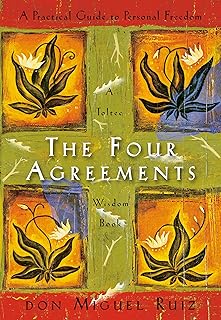
The Four Agreements (4.7 rating, $7.05) is a fantastic book that touches on this. One of its agreements is “Be impeccable with your word.” That includes the words you say to yourself. Speak to yourself like a coach, not a critic.
Another powerful resource is Note to Self: The Discipline of Preaching to Yourself (4.6 rating, $14.99). It’s all about using intentional self-talk to reinforce discipline and truth.
A Final Word on Building Your High Performance Playbook
Self-discipline is not a destination. You never “arrive” at being disciplined. It’s a daily practice, a constant recalibration. The high performance playbook guide to self discipline is not a one-time document. It’s a living system that you update as you grow.
The routines you set today will be too easy next month. The rules you made might need tightening. The recovery habits you ignored might become your top priority. That’s fine. The key is to keep playing the game.
You are the architect of your own consistency. You can design your days instead of just reacting to them. Start with one routine, set a few rules, and schedule your recovery. Then do it again tomorrow.
If you want a deeper dive, grab one of the books we discussed. The Power of Self-Discipline: 5-Minute Exercises (4.4 rating, free on Audible) is perfect for quick daily practice. And if you’re ready for a full transformation, Stoic Self-Discipline (4.7 rating, $19.99) gives you ancient principles that have stood the test of time.
Now, go build your playbook. Your future self will thank you.
Frequently Asked Questions About Self-Discipline
Q: How long does it take to build self-discipline?
A: It depends on your starting point and consistency. Most research suggests it takes around 66 days to form a new habit, but self-discipline itself is a muscle you train over months. You’ll see meaningful changes in 30 days if you stick to one routine.
Q: Can I build self-discipline without willpower?
A: Willpower helps, but you can design systems that reduce the need for it. That’s the whole point of the high performance playbook guide to self discipline. Routines and rules make discipline easier by removing decision-making.
Q: What’s the best book for self-discipline?
A: It depends on your personality. For habit formation, Atomic Habits. For mental toughness, Discipline Equals Freedom. For overcoming self-sabotage, The Mountain Is You. For daily motivation, 365 Days With Self-Discipline.
Q: How do I stop procrastinating?
A: Use the 2-Minute Rule to start. Committing to just two minutes of a task often breaks the resistance. Also, change your environment. If your phone is in another room, you’ll be less tempted to pick it up.
Q: What if I fail after a few days?
A: That’s normal. The key is to never miss twice. Get back on track immediately. Self-discipline isn’t about perfection; it’s about recovery speed.