
You wake up fired up, ready to conquer the world. You write down goals, download productivity apps, and tell everyone this time is different. Then three weeks pass. The fire flickers. Your alarm goes off and you hit snooze. The gym clothes stay folded. The project sits untouched.
What happened? Motivation happened. It showed up late, dressed like a superhero, and then ghosted you.
Here’s the hard truth: motivation is a feeling, not a strategy. It comes and goes like the weather. Self-discipline, on the other hand, is the engine that keeps running when motivation takes a vacation. That’s why the debate of self discipline vs motivation isn’t really a debate at all. Self-discipline wins because it doesn’t need you to feel like doing the thing. It just does it.
In this article, we’ll break down exactly what sets these two forces apart, why self-discipline is the real MVP, and how you can use both to build the life you want. We’ll also share some of the best books on self-discipline to help you rewire your brain for consistent action. Let’s dive in.
Table of Contents
The Core Difference Between Self Discipline and Motivation
Think of motivation as the spark that lights the fire. It’s exciting, energising, and completely unreliable. Self-discipline is the firewood that keeps the flames burning long after the spark fades.
| Motivation | Self-Discipline |
|---|---|
| Emotion-driven | Habit-driven |
| Short-lived | Sustainable |
| Requires inspiration | Requires commitment |
| Peaks and valleys | Steady and consistent |
| Says “I want to” | Says “I will” |
When you rely on motivation alone, you become a slave to your moods. On a good day, you’re unstoppable. On a bad day, you’re stuck on the couch scrolling TikTok. Self-discipline removes the need to feel ready. It’s the difference between waiting for the perfect moment and deciding that right now is the only moment that matters.
Why Self-discipline Always Wins (And Motivation Lets You Down)
Let’s say you want to write a book. Motivation gets you through the first chapter. But what about day 47, when your plot holes look like craters and your inner critic is screaming? That’s where self-discipline steps in. It’s the force that makes you sit down and type even when every cell in your body wants to quit.
Self-discipline is the bridge between goals and accomplishment.
Motivation works great in the beginning because novelty triggers dopamine. But novelty always wears off. Once the shine rubs off, you need something deeper. You need the ability to delay gratification, to embrace discomfort, and to keep your promises to yourself.
That’s why the phrase “self discipline vs motivation” misses the point. Self-discipline isn’t against motivation. It’s the backup system that takes over when motivation runs out of battery.
The Science Behind Self Control and Mental Toughness
Neuroscience shows that willpower is like a muscle. It can be trained, but it also gets fatigued. Every time you resist a temptation, you use up some of your mental reserves. That’s why after a long day of making decisions, you’re more likely to order pizza instead of cooking a healthy meal.
But here’s the good news: self-discipline isn’t born. It’s built.
Research from the famous “marshmallow test” at Stanford showed that children who could delay gratification went on to have better life outcomes. But more importantly, later studies revealed that self-control can be taught and strengthened through practice. It’s not a fixed trait.
Books like The Power of Discipline: How to Use Self Control and Mental Toughness to Achieve Your Goals dive deep into these principles. The book explains that self-discipline isn’t about punishing yourself. It’s about aligning your daily actions with your long-term values. When you define why you want something clearly, the how becomes easier.

Another excellent resource is The Science of Self-Discipline: The Willpower, Mental Toughness, and Self-Control to Resist Temptation and Achieve Your Goals. This book uses neuroscience and psychology to show you exactly how to rewire your brain for consistent action. It’s like a user manual for your own mind.
How Motivation and Self Discipline Work Together
Here’s the secret that most productivity gurus won’t tell you: you don’t have to choose between self discipline vs motivation. You can use both as a dynamic duo.
Use motivation to start. Use self-discipline to finish.
Motivation is excellent for:
- Getting excited about a new goal
- Creating a vision board
- Day one of a new habit
- Overcoming inertia on a tough morning
Self-discipline is essential for:
- Day two through day 365
- Doing the work when you’re tired
- Saying no to short-term pleasures
- Sticking with your plan even when results are slow
Brianna Wiest, author of The Mountain Is You: Transforming Self-Sabotage into Self-Mastery, explains that self-doubt and procrastination are actually signs that you’re on the verge of growth. The book teaches you how to stop sabotaging yourself and start using self-discipline as a tool for self-love, not self-punishment.

Practical Strategies to Build Unbreakable Self Discipline
If you want to stop relying on motivation and start building real self-discipline, try these proven methods.
1. Start with an embarrassingly small habit
Your brain resists big changes. Instead of “I will exercise for one hour,” start with “I will put on my workout shoes.” That’s it. Once the shoes are on, you’ll likely do more. This is the principle behind James Clear’s Atomic Habits: An Easy & Proven Way to Build Good Habits & Break Bad Ones — an absolute must-read with a 4.8 rating and over 148,000 reviews.
2. Create a non-negotiable routine
Decide in advance what you will do and when. If it’s not scheduled, it’s not real. Admiral William H. McRaven’s Make Your Bed: Little Things That Can Change Your Life…And Maybe the World shows how starting your day with one small disciplined act creates a ripple effect of order and control.
3. Use the “10-minute rule”
When you don’t feel like doing something, commit to just ten minutes. Usually, those ten minutes turn into thirty. Even if they don’t, you still built the discipline of showing up. The Power of Self-Discipline: 5-Minute Exercises to Build Self-Control, Good Habits, and Keep Going is packed with short exercises like this one.
4. Remove temptations (environment design)
Willpower is finite. Don’t test it. Keep your phone in another room while you work. Unsubscribe from junk food delivery apps. Make the right choice the easy choice. Digital Self-Discipline: Break Free from Dopamine’s Snare, Overcome Digital Addictions & Reclaim Your Drive is a fantastic guide for modern distractions.
5. Practice stoic self discipline
The Stoics believed that the only thing you truly control is your own mind. Discipline Is Destiny: The Power of Self-Control by Ryan Holiday explores how self-control is the superpower that leads to freedom. With a 4.7 rating and 5,800 reviews, it’s one of the best modern takes on ancient wisdom.

6. Keep a “self discipline journal”
Track your daily wins, no matter how small. Writing down what you accomplished reinforces the identity of a disciplined person. 365 Days With Self-Discipline: 365 Life-Altering Thoughts on Self-Control, Mental Resilience, and Success gives you a daily dose of wisdom to fuel your journey.
Recommended Self Discipline Books: A Comparison Table
Here are five top-rated books that can help you master self-discipline and stop relying on motivation alone.
| Book | Price | Rating | Key Focus | Buy at Amazon |
|---|---|---|---|---|
 |
$8.66 | 4.7 | Practical life strategies | Buy on Amazon |
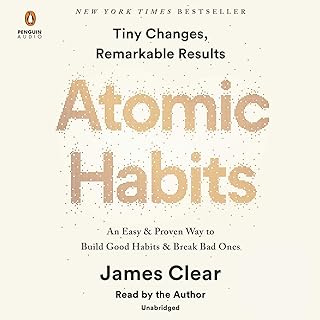 |
$0.00 (audible) | 4.8 | Habit formation | Buy on Amazon |
|
$0.00 (audible) | 4.7 | Self-sabotage & mastery | Buy on Amazon |
|
$5.88 | 4.7 | Stoic self-control | Buy on Amazon |
|
$16.83 | 4.6 | Mental toughness | Buy on Amazon |
Each of these books approaches self discipline vs motivation from a different angle. Together, they give you a complete toolkit to build lasting self-control.
The Four Agreements: A Different Kind of Discipline
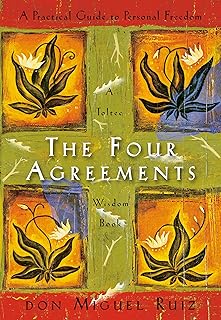
Not all discipline is about forcing yourself to do things. Sometimes it’s about making agreements with yourself and keeping them. Don Miguel Ruiz’s The Four Agreements: A Practical Guide to Personal Freedom is a spiritual classic that teaches you to:
- Be impeccable with your word
- Don’t take anything personally
- Don’t make assumptions
- Always do your best
This isn’t a typical self-discipline book, but it’s deeply relevant. Keeping agreements with yourself is the essence of self-discipline. When you break your word to yourself, you erode your self-trust. The Four Agreements show you how to live with integrity — which is the foundation of unbreakable willpower.
How to Use Both: A Simple Framework
You don’t need to kill motivation. You need to treat it like a booster rocket that separates after launch. Here’s a three-step framework:
1. Catch the wave of motivation. When you feel pumped, use that energy to plan your system. Write down your routines, set up your environment, and commit to a schedule. Motivation is great for designing your disciplined life.
2. Build micro-habits. Once the system is in place, start with ridiculously small actions. Make your bed. Write one sentence. Do one push-up. These tiny wins create momentum and train your self-discipline muscle.
3. Rely on identity, not intentions. Instead of saying “I will work out,” say “I am a person who exercises every morning.” Self-discipline flows naturally from identity. The Psychology of Self-Discipline: Twenty-Four Proven Strategies to Rewire Your Brain for Consistent Action (4.6 rating) offers research-backed techniques to make this shift.
Why Motivation Alone Will Always Fail
Think about every New Year’s resolution you’ve ever broken. January 1st is a motivation high. By February 1st, most people have quit. Why? Because they never built the infrastructure of self-discipline.
Motivation is like a sugar rush. It gives you a quick boost, then you crash. Self-discipline is like a slow-burning log that keeps you warm all night. You need both, but only one can be trusted in the long run.
Brian Tracy’s No Excuses!: The Power of Self-Discipline has been a go-to for decades. He argues that self-discipline is the master key to success in every area of life: health, wealth, relationships, and personal growth. At just $8.66 with a 4.7 rating, it’s one of the best investments you’ll ever make.
Common Questions About Self Discipline vs Motivation
Q: Can you have too much self-discipline?
If self-discipline becomes rigid and joyless, it can backfire. The goal is balanced discipline that aligns with your values. Flexibility is part of true mastery.
Q: How long does it take to build self-discipline?
Studies suggest it takes anywhere from 18 to 254 days to form a new habit, depending on the complexity. But you’ll feel progress within the first week if you start small.
Q: What if I keep failing?
Failure is data, not disaster. Every slip is a chance to refine your system. Read Mindful Self-Discipline: Living with Purpose and Achieving Your Goals in a World of Distractions for a compassionate, mindful approach.
FAQ About Self Discipline vs Motivation
Here are answers to the most common questions people search for.
What is the difference between self-discipline and motivation?
Self-discipline is the ability to take action regardless of how you feel. Motivation is the desire or enthusiasm to take action. Self-discipline is reliable; motivation is temporary.
Why does self-discipline matter more than motivation?
Because you can’t control your emotions, but you can control your actions. Self-discipline ensures you keep moving forward even when you don’t feel like it.
How can I improve self-discipline?
Start with tiny habits, remove temptations from your environment, track your progress, and read books like Discipline Equals Freedom: Field Manual Mk1-MOD1 by Jocko Willink for hardcore motivation.
Can motivation and self-discipline work together?
Yes. Use motivation to set goals and design your system. Use self-discipline to execute daily, especially when motivation fades.
What are the best books on self-discipline?
Top picks include No Excuses!, Atomic Habits, The Power of Discipline, Discipline Is Destiny, and The Mountain Is You. See the comparison table above for details.
Is self-discipline a skill or a personality trait?
It’s a skill that can be learned and strengthened through practice, just like a muscle.
Your Next Step: Choose Self-Discipline Starting Today
The conversation about self discipline vs motivation doesn’t have to end with you feeling guilty. Now you have the tools, the books, and the mindset to make real change. Start with one tiny action right now.
Pick one of the books above. Read five pages. Then do one small disciplined act.
Remember: motivation is the spark. Self-discipline is the fire. And you already have everything you need to start building a life that doesn’t depend on how you feel.
The time is now. Not tomorrow. Not when you feel ready. Now.
Go make your bed. Go write that sentence. Go build the discipline that will carry you further than motivation ever could.