
Ever started a big project with fire in your belly, only to find yourself three hours deep into a YouTube rabbit hole about how to fold fitted sheets? You're not alone. Procrastination is the silent dream-killer that even the most ambitious people wrestle with. But here's the truth: self-discipline isn't something you're born with. It's a skill you build, one small win at a time.
This self discipline guide is your hands-on, no-fluff roadmap to breaking the cycle of delay and becoming someone who finishes what they start. We'll cover the psychology behind procrastination, a step-by-step action plan, and the exact books and tools that top performers use to stay on track.

Let's dive in and build the discipline muscle that will change your life.
Table of Contents
What Is a Self Discipline Guide (and Why You Need One Right Now)
A self discipline guide is more than a list of tips. It's a systematic approach to replacing hesitation with action. Most people think willpower is the answer, but willpower is like a phone battery — it drains throughout the day. Real self-discipline comes from systems, habits, and mental frameworks that make good choices the easy choice.
Think of this guide as your personal trainer for the mind. We won't just lecture you about the importance of self-control. We'll give you specific exercises, daily practices, and mindset shifts that actually stick.
Procrastination isn't a character flaw. It's a coping mechanism for discomfort. Once you understand that, you can stop fighting yourself and start working with your brain instead of against it.
The Psychology of Procrastination: Why You Avoid What Matters
Before we fix anything, we need to understand why you procrastinate. It's not laziness. It's often fear of failure, perfectionism, or overwhelm. Your brain sees a big task and flags it as a threat. Then it runs for safety — social media, snacks, reorganizing your sock drawer.
The good news: you can rewire this response.

In The Psychology of Self-Discipline, you'll find 24 research-backed strategies that directly target the neural pathways behind procrastination. The book explains why your brain prefers instant rewards over long-term gains and how to flip that preference.
Common Psychological Triggers of Procrastination
- Perfectionism: You'd rather not start than do it imperfectly.
- Overwhelm: The task feels too big or too vague.
- Low energy: Mental fatigue makes hard choices feel impossible.
- Fear of judgment: What if others see you fail?
Recognize which one hits closest to home. That's your starting point.
A Step-by-Step Plan to Stop Procrastinating and Start Finishing
This is the heart of the self discipline guide. Each step builds on the last, creating momentum you can ride from morning to night.
Step 1: Clarify Your "Why"
Without a strong enough reason, discipline dies quickly. Ask yourself: What will finishing this task give me? More freedom? Respect? Peace of mind? Write it down.
Make your why emotional, not logical. "I want to launch my business so I can spend more time with my kids" beats "I should be more productive."

The Power of Discipline by Raimon Samsó is a great resource here. It dives into how self-control and mental toughness connect to your deepest motivations.
Step 2: Break Tasks into "Bite-Sized Monsters"
A 500-page report is terrifying. One paragraph is not. Use the 2-Minute Rule from Atomic Habits: if a task takes less than two minutes, do it immediately. For bigger tasks, break them into chunks that feel embarrassingly easy.
For example:
- Write one sentence.
- Open the document and create the first heading.
- Do five pushups.
Small wins trigger dopamine, which fuels more action.
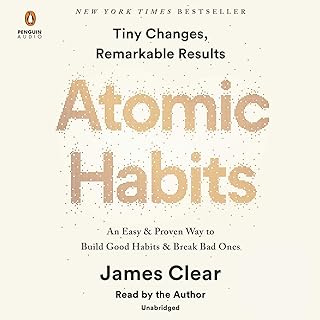
James Clear's Atomic Habits is a masterpiece on building systems that make discipline automatic. It's consistently rated 4.8 stars for a reason.
Step 3: Schedule Your "Deep Work" Blocks
Multitasking is a myth. Your brain can only focus deeply for about 90 minutes at a time. Block out 25–50 minutes of uninterrupted time each day for your most important task.
Use the Pomodoro Technique: work for 25 minutes, break for 5. Repeat four times, then take a longer break. This prevents burnout and keeps procrastination at bay.
Step 4: Remove Friction from Your Environment
Willpower is weaker than environment. Make the right thing easy and the wrong thing hard.
- If you want to write: keep your laptop open with a blank document.
- If you want to exercise: sleep in your workout clothes.
- If you get distracted by your phone: put it in another room.

Digital Self-Discipline shows exactly how to reclaim your attention from apps designed to hijack it. At 4.8 stars, it's a top choice for anyone fighting screen addiction.
Step 5: Use the "10-Minute Rule" to Beat Resistance
When you don't want to start, commit to just 10 minutes of work. Set a timer. After 10 minutes, you can stop if you really want to. But more often than not, you'll keep going because the hardest part — starting — is behind you.
This trick works because it bypasses your brain's fear response. Ten minutes isn't threatening.
Step 6: Track Your Progress (and Celebrate)
Keep a simple log of your daily wins. Check off completed tasks. Each tick mark reinforces the identity of a disciplined person.

365 Days With Self-Discipline provides a daily dose of motivation and reflection to keep you consistent for a full year.
Step 7: Forgive Yourself When You Slip
One missed day is not a failure. It's data. Ask yourself: what went wrong? Adjust your system and start again tomorrow. Guilt is the real productivity killer, not the slip itself.
Essential Books to Supercharge Your Self Discipline Guide
No self discipline guide is complete without powerful reading material. Here are the top books that cover mindset, tactics, and daily habits.
| Product | Price | Rating | Key Focus | Buy at Amazon |
|---|---|---|---|---|
| No Excuses!: The Power of Self-Discipline |
$8.66 | 4.7 / 5 | Core discipline principles, no-nonsense approach | Buy |
| Atomic Habits |
$0.00 (audio) | 4.8 / 5 | Habit systems, small changes | Buy |
| The Power of Discipline |
$16.83 | 4.6 / 5 | Self-control, mental toughness | Buy |
| The Psychology of Self-Discipline |
$17.99 | 4.6 / 5 | Brain rewiring, 24 strategies | Buy |
 The Mountain Is You The Mountain Is You |
$0.00 (audio) | 4.7 / 5 | Self-sabotage, self-mastery | Buy |
 Discipline Equals Freedom Discipline Equals Freedom |
$12.93 | 4.7 / 5 | Field manual for discipline | Buy |
Each of these books brings something unique. No Excuses! gives you the raw motivation. Atomic Habits builds your systems. The Mountain Is You helps you stop getting in your own way.
If you want a quick, tactical guide you can read in a weekend, Discipline Equals Freedom by Jocko Willink delivers no-nonsense advice with military precision.
How to Maintain Long-Term Self-Discipline Without Burning Out
Many people crash after a few weeks of intense effort. They treat discipline like a race when it's really a marathon. Here's how to last.
Build a Morning Routine That Sets the Tone
Your first hour sets the trajectory for the whole day. Avoid checking email or social media immediately. Instead, do something that builds momentum:
- Drink a glass of water.
- Move your body (even 5 minutes).
- Review your top three priorities for the day.

Admiral William H. McRaven's Make Your Bed is a brilliant reminder that mastering small daily habits leads to big changes. Start with your bed.
Use the "Weekly Review" to Stay on Track
Set aside 15 minutes every Sunday to review the past week. Ask:
- What worked?
- What didn't?
- What will I do differently next week?
This simple practice prevents drift and keeps your self discipline guide alive.
Practice Self-Compassion (Yeah, Really)
Beating yourself up after a slip only makes you want to escape — usually into more procrastination. Treat yourself like you would a friend who stumbled. Say, "Okay, that happened. Now let's get back on the horse."
The Mountain Is You by Brianna Wiest directly addresses the self-sabotage cycle. It's a powerful read for anyone who keeps getting in their own way.
Common Obstacles and How to Overcome Them
Even with a solid self discipline guide, obstacles will pop up. Here's how to handle the biggest ones.
"I Don't Have Time"
You have time. You're just not prioritizing. Track your time for three days. You'll be shocked at how many hours go to scrolling, commuting, and indecision.
Fix: Cut one low-value activity entirely. Replace it with your priority task.
"I Keep Getting Distracted"
Distractions are a symptom of low tolerance for discomfort. Strengthen your focus muscle gradually.
Digital Self-Discipline provides specific protocols to reduce phone dependency and reclaim your attention span.
"I'm Afraid of Failure"
That fear lives in your head, not in reality. The worst that can happen is you learn something. Most people overestimate the cost of failure and underestimate the cost of doing nothing.
Fix: Ask yourself: "If I fail, what's the actual consequence?" Usually, it's much smaller than you imagine.
"I Lose Motivation After a Few Days"
Motivation is fleeting. That's why this self discipline guide focuses on systems, not feelings. When your system is solid, you act even when you don't feel like it.

The Science of Self-Discipline explains the biology behind willpower and gives you tools to keep going when your tank is empty.
Frequently Asked Questions About Self-Discipline
Q: What's the difference between self-discipline and motivation?
A: Motivation is the spark. Self-discipline is the engine. Motivation feels good but fades. Self-discipline keeps you moving even when you don't feel like it.
Q: How long does it take to build self-discipline?
A: Research suggests it takes about 66 days to form a new habit, but self-discipline can improve in as little as two weeks if you consistently practice small acts of willpower.
Q: Is self-discipline the same as willpower?
A: Not exactly. Willpower is your ability to resist short-term temptation. Self-discipline includes willpower but also involves habits, routines, and long-term goal focus. It's a bigger concept.
Q: Can self-discipline be learned, or is it genetic?
A: It can definitely be learned. While genetics play a small role, research shows that self-control is like a muscle — it strengthens with use. This self discipline guide is designed to train that muscle.
Q: What's the best book for self-discipline for beginners?
A: No Excuses!: The Power of Self-Discipline by Brian Tracy is excellent for beginners. It's direct, actionable, and doesn't overwhelm you with theory.
Q: How do I stop procrastinating right now?
A: Use the 10-Minute Rule. Set a timer for 10 minutes and start your task. That's it. The goal is to break the paralysis of starting.
Q: What if I keep failing after trying these steps?
A: Failure is feedback. Adjust one variable: change your environment, simplify your task, or get an accountability partner. Keep iterating until you find what works.
Your Next Step Starts Now
You've read the self discipline guide. You've seen the strategies, the books, and the science. But information without action is just entertainment.
Pick one step from the plan — just one — and do it today. Maybe it's writing down your why. Maybe it's setting a 10-minute timer. Maybe it's buying one of the books above and reading the first chapter.
Procrastination has stolen enough of your time. The life you want is on the other side of consistent action. And now you have everything you need to cross that bridge.
Stop planning. Start finishing.