
You want to increase self discipline but the thought of a massive lifestyle overhaul feels exhausting. Good news: you don’t need a radical transformation. The biggest breakthroughs come from tiny, almost laughably small habits that stack up over time.
Self-discipline isn’t a superpower reserved for monks or Navy SEALs. It’s a skill you can build with consistent micro-actions. Each small win rewires your brain and makes the next win easier. Think of it like upgrading your operating system one line of code at a time.
In this guide, you’ll discover 15 tiny habits to increase self discipline. These aren’t fluffy suggestions. They’re grounded in psychology and real-world results. And yes, there are books to help you go deeper – I’ll link to the best ones right where they fit.
Table of Contents
Habit 1: Make Your Bed Every Morning
It sounds almost too simple to mention, yet it’s the cornerstone of discipline for a reason. When you make your bed, you start the day with a completed task. That small victory sends a signal to your brain: I finish what I start.
Admiral William H. McRaven turned this habit into a global movement with his book Make Your Bed: Little Things That Can Change Your Life…And Maybe the World. He argues that if you can’t do the little things right, you’ll never do the big things right.

The best part? It takes under two minutes. No excuses.
Habit 2: Set a Single “Daily Highlight” the Night Before
Willpower is a finite resource that drains throughout the day. If you wake up without a clear priority, your brain will default to whatever is easiest – usually scrolling or procrastinating.
Instead, each evening, write down one non‑negotiable task you’ll complete tomorrow. It must be something that moves the needle on your most important goal. This is your daily highlight.
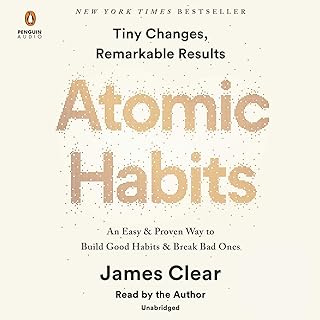
This technique is central to Atomic Habits by James Clear. The book (free with an Audible trial) is a masterclass in building small systems that lead to massive change. Over 148,000 ratings and a 4.8 rating – it’s a must‑read.
Habit 3: Use the 5‑Second Rule to Beat Procrastination
When you feel the urge to put something off, you have about five seconds before your brain talks you out of it. The fix? Count backwards: 5‑4‑3‑2‑1 – then move.
This rule, popularized by Mel Robbins, is perfect for increasing self discipline in the moment. It short‑circuits the hesitation loop. You don’t have time to negotiate with yourself. You just act.
Combine this with the power of intention. Research shows that if you specify when and where you’ll perform a new behavior, you’re up to three times more likely to follow through.
Habit 4: Do a “Distraction Audit” Every Morning
Distraction is the enemy of discipline. Every notification, every open tab, every “quick check” costs you mental energy. The tiny habit: before you start focused work, spend 60 seconds auditing your environment.
- Put your phone in another room (or face down).
- Close all browser tabs except the one you need.
- Silence notifications.
For a deep dive into digital detox, check out Digital Self‑Discipline: Break Free from Dopamine’s Snare. It’s rated 4.8 with practical strategies to reclaim your attention.

Habit 5: Use the “Two‑Minute Rule” for Small Chores
The two‑minute rule says: if a task takes less than two minutes, do it immediately. Reply to that email. Put away the dishes. Hang up your coat.
This habit prevents small tasks from piling up into a mountain of mental clutter. Every time you complete a two‑minute task, you reinforce your identity as a disciplined person. Increase self discipline by winning the small battles.
Habit 6: Track Your Wins (Even the Tiny Ones)
What gets measured gets managed. Keep a simple journal or checklist where you record each time you follow through on a disciplined action. It could be as small as “didn’t hit snooze” or “chose water over soda.”
The act of tracking triggers a dopamine release, making you more likely to repeat the behavior. Over time, your evidence file of small wins builds confidence.
For a structured 30‑day system, try Self Discipline: 30 Days to Self Discipline. It’s a short audiobook that gives you daily prompts to build momentum.

Habit 7: Practice “Temptation Bundling”
Pair something you need to do with something you want to do. For example, listen to your favorite podcast only while you exercise. Watch a guilty‑pleasure show only when you’re folding laundry.
This technique hijacks your brain’s reward system. Suddenly, the task you used to avoid becomes an excuse to enjoy the temptation. It’s a clever way to increase self discipline without feeling deprived.
Habit 8: Read or Listen to One Page of a Discipline Book Daily
Knowledge alone isn’t discipline, but consistent exposure to disciplined thinking rewires your mindset. Read one page, or listen to five minutes of an audiobook every day. It’s a tiny habit with a compound effect.
Top picks include:
- No Excuses!: The Power of Self‑Discipline by Brian Tracy. A classic, rated 4.7.
- Discipline Equals Freedom: Field Manual by Jocko Willink. Straight‑to‑the‑point, no fluff.


Habit 9: Say No More Often (and Mean It)
Every yes to a distraction is a no to your priorities. Discipline is as much about what you don’t do as what you do. Practice the art of the polite but firm “no.”
The book Yes to You, No to Them: The Discipline of Saying No and the Freedom that Follows is a short, powerful read (rated 5 stars) that teaches you to protect your time with grace.

Habit 10: Use the “5‑Minute Workout” Starter
Exercise is a top discipline builder, but if you aim for an hour you’ll often fail. Commit to just five minutes of movement – a few push‑ups, a short walk, some stretching. Once you start, you’ll likely keep going.
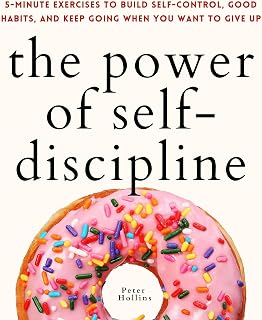
This is the essence of what The Power of Self‑Discipline: 5‑Minute Exercises teaches. Small, consistent actions build self‑control without burnout.
Habit 11: Review Your Day for 60 Seconds Before Bed
Reflection is the glue that holds habit change together. Each night, ask yourself two questions:
- What did I do today that moved me closer to my goals?
- What could I improve tomorrow?
This simple habit makes you more intentional. It turns mistakes into feedback rather than failures. Over time, you’ll notice patterns and adjust.
For a systematic approach to self‑reflection, 365 Days With Self‑Discipline provides a daily thought to keep you on track. It’s like having a coach in your pocket.

Habit 12: Keep Your Phone on “Graymode” After 8 PM
Blue light and constant notifications disrupt sleep and weaken willpower. Set your phone to grayscale (black‑and‑white display) in the evening. Social media becomes less stimulating, and you’ll be less tempted to scroll.
This is a core tactic in Digital Self‑Discipline. Break the dopamine feedback loop and reclaim your evenings for rest or learning.
Habit 13: Embrace the “One Focus Block” Work Method
Multitasking is a myth. True discipline requires deep, single‑task focus. Set a timer for 25–50 minutes and work on only one thing during that block. No email, no Slack, no phone.
This habit trains your concentration muscle. Each block you complete strengthens your ability to increase self discipline. Even one focused block per day creates massive momentum.
Habit 14: Pre‑Commit Your Environment
Design your surroundings to make good habits easy and bad habits hard. Want to eat healthier? Put fruits on the counter and junk food in a hard‑to‑reach cupboard. Want to read more? Keep a book on your pillow.
This is the principle behind Atomic Habits and also The Power of Discipline (rated 4.6, $16.83). Both emphasize that your environment is more powerful than your willpower.

Habit 15: Practice “Stoic Reframing” When Things Get Hard
When you face discomfort or temptation, pause and ask yourself: “What would a disciplined person do right now?” This simple question shifts your perspective from victim to owner.
Stoic philosophy is a goldmine for self‑discipline. Two excellent resources:
- Stoic Self‑Discipline: Stoicism’s 33 Ancient Secrets (4.7 rating, $19.99)
- Discipline Is Destiny: The Power of Self‑Control (4.7 rating, $5.88)


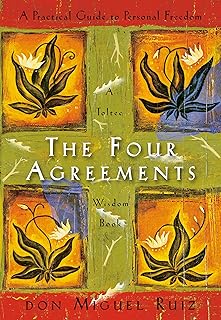
Also, The Four Agreements (4.7, $7.05) isn’t strictly about discipline, but its principles of doing your best and not making assumptions will boost your self‑control dramatically.
Quick Win Comparison: Best Self‑Discipline Books
| Product | Price | Rating | Best For | Buy at Amazon |
|---|---|---|---|---|
|
$0.00 (free with trial) | 4.8 | Habit systems & tiny changes | Buy Now |
|
$16.83 | 4.6 | Mental toughness & goal achievement | Buy Now |
|
$8.66 | 4.7 | Practical motivation & no‑nonsense | Buy Now |
|
$12.93 | 4.7 | Daily warrior mindset | Buy Now |
 |
$0.00 (free with trial) | 4.7 | Overcoming self‑sabotage | Buy Now |
|
$6.95 | 4.7 | Starting small, leadership & discipline | Buy Now |
How to Stack These Habits for Maximum Effect
You don’t need to implement all 15 at once. Pick three that resonate most and practice them for a week. Add one new habit each week. Before you know it, you’ll have built a disciplined lifestyle from the ground up.
The key to increase self discipline sustainably is to focus on consistency over intensity. A 1% improvement every day compounds into 37 times better over a year.
FAQ: Your Self‑Discipline Questions Answered
How long does it take to build self‑discipline?
Most research suggests it takes 18 to 254 days to form a habit, with an average of 66 days. However, you’ll feel the benefits of tiny habits within days. Discipline is like a muscle: it strengthens with repeated use.
Why do I struggle with self‑discipline even when I’m motivated?
Motivation is emotional and fades. Discipline is structural. You likely lack systems, not willpower. Focus on habits that remove decision‑making – like setting your workout clothes out the night before.
Can self‑discipline be trained like a muscle?
Absolutely. The more you practice doing things you don’t want to do (within reason), the easier it becomes. Start with small discomforts like cold showers or a short walk in the rain.
What’s the one book you recommend to build self‑discipline fast?
If you only read one, go with Atomic Habits. It’s the most actionable, science‑backed guide to building small habits that lead to big changes. For a kick in the pants, No Excuses! is unbeatable.
Final Thought: Your Next Step
You now have 15 tiny habits to increase self discipline. The hard part isn’t knowing – it’s doing. So pick one habit from this list and start tomorrow morning.
Don’t wait until you feel ready. Start messy. Start small. The person you become on the other side of 100 days of consistent tiny habits will barely recognize the old you.
And if you ever need a reminder: discipline equals freedom. Real freedom isn’t doing whatever you want – it’s having the power to do what matters most.