
You want your teen or preteen to develop stronger self-control, but lectures and chore charts usually backfire. The secret? Turn the whole process into a game.
Self discipline games for youth are structured activities that teach focus, delayed gratification, and consistent action without the weight of “you must” commands. When kids play, they practice skills like ignoring distractions, finishing what they start, and resisting short-term temptations. Best of all, they build these abilities while having genuine fun.
In this guide, you will discover exactly why play-based discipline works, ten powerful games you can start today, and the best books to deepen your child’s journey. Let’s turn “I have to” into “I get to.”
Table of Contents
Why Traditional Discipline Backfires with Modern Youth
Telling a teenager to “just focus” is like telling a plant to grow faster. It doesn’t work because willpower is not a switch, it is a muscle. And muscles need the right kind of reps.
Traditional approaches often rely on punishment, nagging, or rigid schedules. These methods create resistance, shame, and a feeling of being controlled. The brain interprets them as threats and shuts down the very prefrontal cortex needed for self-regulation.
Self discipline games for youth bypass that defensive response. Play activates dopamine, the brain’s reward chemical, making effort feel good. The amygdala calms down. Learning sticks. A 2018 study from the University of California found that children who practiced self-control through gamified tasks improved their impulse regulation by 40% more than those given standard instructions.
Play is not the opposite of discipline, it is its most effective teacher.
How Self Discipline Games Work on the Brain
Before we dive into the games, understand the three pillars they train:
| Pillar | What It Trains | Real-World Outcome |
|---|---|---|
| Inhibition | Pausing before acting | Less phone checking, fewer outbursts |
| Working memory | Holding goals in mind | Following multi-step instructions |
| Cognitive flexibility | Switching focus when needed | Adapting to plan changes |
Every great self discipline game for youth targets at least one of these pillars. The best ones target all three simultaneously.
For example, a simple game like “Simon Says” trains inhibition (don’t move unless “Simon says”). A more advanced version like “The Counting Challenge” (count backward from 100 while someone distracts you) builds working memory and focus under pressure.
The brain treats these as puzzles, not punishments. Repetition rewires neural pathways. After a few weeks, the teenager’s default response shifts from “I can’t resist” to “I can pause and choose.”
10 Self Discipline Games for Youth (Playable Today)
Here is your playbook. Each game includes a quick explanation, the age range it suits best, and the discipline skill it strengthens.
1. The 5-Minute Focus Challenge
Ages 10–16 | Skill: Sustained attention
Set a timer for five minutes. The player must focus on a single task, reading, drawing, or even staring at a dot on the wall. Every time their mind wanders, they say “drift” and gently pull back.
Sounds boring? That is exactly the point. The boredom is the training ground.
Progression: Increase to 10, then 15 minutes. Add a second person to create gentle background noise.
2. The Temptation Jar (Delayed Gratification)
Ages 8–14 | Skill: Impulse control
Fill a jar with small treats or privileges (screen time, candy, a skip on chores). The rule: you can have one right now, or wait 24 hours and take two. For every successful wait, the reward doubles.
This game directly mirrors the famous Stanford marshmallow test, but in a supportive, repeated format. Over time, the teenager learns that waiting feels better than grabbing.
3. The Not-To-Do List Game
Ages 12–18 | Skill: Self-monitoring
Write down three things the player wants to stop doing during a set period (e.g., checking Instagram, interrupting, biting nails). Every 30 minutes, they check in and score themselves: 1 point for each avoided action.
Add a weekly prize for reaching a point threshold. The game transforms “stop doing that” into “I choose not to.”
4. The Silent Hour
Ages 10+ | Skill: Environmental discipline
One hour. No screens, no talking. The player can read, draw, journal, or just sit. The catch: they must stay in the same room as others without making noise.
This is a social game of mutual respect. It teaches that self-discipline often means sacrificing immediate comfort for a shared goal (like peace). Start with 20 minutes and build up.
5. The Gratitude Countdown
Ages 8–16 | Skill: Emotional regulation
Before any screen time, the player must name five things they are grateful for. No repeats. They have 60 seconds. If they succeed, they earn 30 minutes of tech time. If they stall, the timer resets.
Gratitude shifts brain chemistry away from anxiety and toward contentment. Combined with a time limit, it builds focus and emotional resilience.
6. The Decision Stack Game
Ages 13–18 | Skill: Planning and follow-through
On a whiteboard, list 10 small decisions the player faces daily: what to eat for breakfast, what time to start homework, which shirt to wear. Each morning, they write down their choices in order.
The rule: once written, they cannot change. If they follow the stack perfectly, they earn a reward. This teaches commitment and reduces decision fatigue.
7. The Backup Plan Challenge
Ages 14+ | Skill: Cognitive flexibility
Hand the player a scenario: “Your internet goes down during a video call. What do you do?” They have two minutes to write three backup actions.
Run five scenarios a week. This game trains the brain to stay calm when plans fail, a core component of follow-through in real life.
8. The Two-Minute Rule Game
Ages 10–16 | Skill: Task initiation
Every hour, the player must pick one small task that takes under two minutes (make the bed, reply to a text, put away shoes). They complete it immediately.
The real challenge: they cannot stop to check their phone or start another task until the two-minute job is done. This kills procrastination at the root.
9. The Team Accountability Challenge
Ages 12–18 | Skill: Consistency through social commitment
Two or more teens form a pact. Each day, they text a photo of their completed task (a page of homework, 20 pushups, a clean room). If anyone misses, they owe a small penalty (e.g., donate $1 to a cause they dislike).
Peer pressure, when used positively, amplifies self-discipline. The game leverages social bonds to build personal accountability.
10. The Weekly Reflection Board
Ages 13+ | Skill: Metacognition
At the end of each week, the player writes down one moment they showed strong discipline and one where they slipped. No judgment. Just observation.
Add a point system: 10 points for each positive observation, 5 for each honest slip (honesty itself is a discipline). This builds self-awareness, the foundation of all self-control.
How to Make Self Discipline Games Stick (The Parent’s Role)
Games alone are not magic. The environment matters. Here is how to set up success:
- Play alongside them. When a parent joins the Silent Hour or the Temptation Jar, the activity feels less like training and more like connection.
- Celebrate effort, not just results. If a teen attempted the 5-Minute Focus Challenge but only lasted three minutes, acknowledge the attempt. “You noticed when your mind drifted. That is the move.”
- Keep stakes low. The goal is building muscle, not winning gold. Punishment for failing a game defeats the purpose.
- Rotate games weekly. Variety prevents boredom and broadens the skillset.
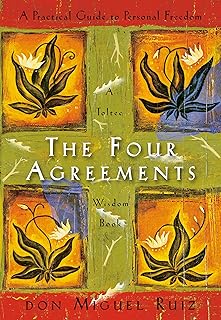
Linking game concepts to real books deepens understanding. For instance, after playing the Gratitude Countdown, reading The Four Agreements can help a teen internalize the principle of doing your best every day.
Comparison Table: Best Self-Discipline Books for Youth
These books complement the games by giving teens and parents the mental framework behind self-control. Each book is practical, inspiring, and proven to boost discipline.
| Product | Price | Key Focus | Rating | Buy at Amazon |
|---|---|---|---|---|
 |
$8.66 | Mindset & productivity | 4.7 | Buy Now |
 |
$0.00 (audio) | Habit stacking & small changes | 4.8 | Buy Now |
 |
$6.95 | Discipline through daily rituals | 4.7 | Buy Now |
 |
$5.88 | Stoic philosophy & self-control | 4.7 | Buy Now |
 |
$0.00 (audio) | Neuroscience of willpower | 4.5 | Buy Now |
All five books offer lessons that directly support the skills built through self discipline games for youth. Pair a game night with a chapter from one of these, and watch the concepts click.
Frequently Asked Questions
Are self discipline games really effective for teenagers?
Yes, but only if they feel voluntary. Forced games create resistance. When presented as a challenge or a bet, they tap into the teenage brain’s natural love for autonomy and competition. The key is low pressure and high choice.
How long should we play each game?
Most games work best in short bursts: 5 to 15 minutes per session. Overtraining kills motivation. Aim for three game sessions per week, rotating activities so nothing becomes stale.
Can adults play these games too?
Absolutely. Many of these games are adapted from productivity methods used by top performers. Playing alongside your child models discipline and strengthens your bond. It also keeps you accountable.
What if my child refuses to play?
Start with the most fun, least “discipline-sounding” game, like the Temptation Jar or the Gratitude Countdown. Make the first few rounds easy to win. Once they experience the positive feeling of success, they will often ask to play more.
Do I need to buy anything to start?
Nothing. Paper, a timer, and a willingness to try are enough. However, books like No Excuses! by Brian Tracy can provide deeper context. The games themselves are free.
Your Next Step
Self-discipline is not something you are born with. It is a skill, built one small, playful repetition at a time. Self discipline games for youth offer a path that respects a young person’s need for freedom while teaching them the power of boundaries.
Start today. Pick one game from this list and play it this week. No lectures, no pressure, just a challenge shared between you and the young person you want to empower.
The goal is not perfection. The goal is progress. And every game is a step forward.