
Let’s be honest. Staying focused when your phone buzzes, your group chat explodes, and that assignment feels endless is tough. But self-discipline isn’t some inborn superpower. It’s a skill you can train. And the best way to train it? Through self discipline activities for students that feel more like play than work.
In this guide, you’ll find quick games and challenges designed to sharpen focus, build follow-through, and make willpower a habit you actually enjoy. Whether you’re studying solo or with friends, these exercises will turn discipline from a chore into a game.
Table of Contents
Why Self-Discipline Activities for Students Matter More Than You Think
Self-discipline isn’t about being strict or boring. It’s about choosing what matters most over what feels easiest in the moment. For students, that choice happens dozens of times a day: study vs. scroll, finish vs. procrastinate, read one more page vs. take “just a five-minute break.”
Games and challenges work because they make the hard thing feel fun. They create small wins that build momentum. And when you practice self discipline activities for students regularly, your brain rewires to handle bigger tasks with less resistance.
Think of it this way: you wouldn’t run a marathon without first jogging a mile. These activities are your training runs for willpower.
Quick Self-Discipline Games You Can Play Alone
1. The 5-Second Countdown
When you feel the urge to quit or procrastinate, count backward: 5-4-3-2-1. Then move. That’s it. This simple game interrupts your brain’s hesitation loop.
How to turn it into a challenge: For one week, every time you catch yourself delaying a task, use the countdown. Track how many times you successfully launch into action.
2. The Two-Minute Rule Sprint
Pick any task you’ve been avoiding. Set a timer for two minutes. Start working. At the end of two minutes, you’re allowed to stop.
Most of the time, you’ll keep going. The hard part is starting, and this trick bypasses that resistance. Practice it twice a day, and you’ll train your follow-through muscle.
3. Pomodoro Power Challenge
Work for 25 minutes, then take a 5-minute break. Repeat four times, then take a longer break.
Level up: During your break, no phone. Stand up, stretch, or stare out the window. The challenge is to resist digital dopamine for those five minutes. Track your success daily.
Group Challenges for Stronger Shared Focus
1. The No-Distraction Hour
Gather a study partner or a small group. Agree on one hour where everyone works in silence. No phones, no chat, no tabs other than work.
The twist: Anyone who breaks focus owes the group a penalty. Maybe it’s buying coffee or doing push-ups. The social accountability makes it stick.
2. Temptation Trackdown
List your top three temptations (social media, snacks, random browsing). For one day, each time you resist one, put a quarter in a jar. At the end of the week, the group uses the jar money for a collective reward.
This turns delayed gratification into a shared game, one of the most effective self discipline activities for students.
3. Accountability Check‑Ins
Three times a day, send a one-line update to a partner: “Did the work,” “Slipped but got back,” or “Skipped.” No judgment, just awareness. The act of recording builds follow-through.
Digital Detox Challenges for the Modern Student
Phones and notifications are the biggest focus killers. But you can beat them with short, repeatable challenges.
1. App Fasting
Pick one app you check compulsively. Delete it for 24 hours. See how you feel. Next, extend it to three days.
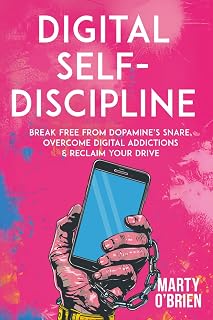
This builds awareness of how often you reach for your phone out of habit. Pair it with a book like Digital Self-Discipline for deeper strategies.
2. The Phone‑Free Meal
During any meal, keep your phone in another room. Focus only on eating and, if with others, conversation. Do this for three days straight.
3. Notification Shutdown
Turn off all non-essential notifications for one day. At the end, note your productivity boost. This simple change alone can add hours of focused work.
Habit‑Building Challenges That Stick
1. 30‑Day Micro‑Discipline Challenge
Choose one tiny habit: make your bed immediately after waking, drink a glass of water before your phone, or read one page of a book. Do it every day for 30 days.
Why it works: small acts of discipline compound. Check out Self Discipline: 30 Days to Self Discipline for a structured plan.

2. Morning Routine Sprint
Design a 10-minute morning routine: wake up, drink water, stretch, write one goal for the day. No phone until you finish. Complete it for seven days in a row.
3. The “Do It Now” Week
For one full week, whenever a task takes less than two minutes, do it immediately. No writing it down. No adding it to a list. Just act.
You’ll be amazed how much you accomplish. It’s a classic from Atomic Habits (audiobook currently free with trial).

Fun Self-Discipline Challenges for Study Motivation
1. Delayed Gratification Dice Roll
Before a study session, write a small reward you’ll earn if you focus for 45 minutes (e.g., 10 minutes of gaming, a square of chocolate). Roll a die. If you roll 1–5, you must delay the reward by an extra 10 minutes. If you roll 6, you get it immediately.
This game makes you practice waiting even when you’ve “earned” the break.
2. The Focus Ladder
Create a list of 10 tasks ranked by difficulty. Start with the easiest. Each time you finish one without distraction, you climb a rung. If you slip, you go back one rung. The goal is to reach the top in a single session.
3. The “Quit‑the‑Distraction” Timer
Every time you feel the urge to check something distracting, write it down. Set a timer for 20 minutes. You can only check the distraction after the timer rings. If you make it through, you earn a point. Compete against yourself each day.
Recommended Books to Deepen Your Discipline
If you want to go beyond games and challenges, these books provide the science and strategies behind self-control. Each one supports the self discipline activities for students you’ve just learned.
| Product | Price | Rating | Buy at Amazon |
|---|---|---|---|
 |
$0.00 (free with trial) | 4.4 | Buy on Amazon |
|
$0.00 (free with trial) | 4.8 | Buy on Amazon |
 |
$0.00 (free with trial) | 4.7 | Buy on Amazon |
 |
$12.93 | 4.7 | Buy on Amazon |
 |
$16.83 | 4.6 | Buy on Amazon |
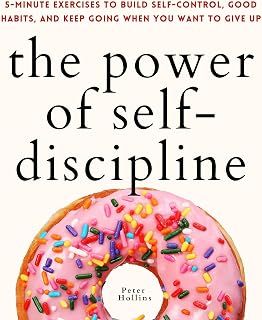
Each of these books offers a unique angle. The Power of Self-Discipline: 5-Minute Exercises gives you bite-sized drills, perfect for students short on time. Atomic Habits teaches the system behind lasting change. And The Mountain Is You helps you understand why you self-sabotage so you can break the cycle.
Frequently Asked Questions About Self Discipline Activities for Students
What are the best self discipline activities for students?
The best activities are short, repeatable, and slightly challenging. Examples include the Pomodoro sprint, the 5-second rule, and the two-minute rule. Group challenges like the no-distraction hour add accountability.
How can I improve my self-discipline in 5 minutes a day?
Use micro‑games. Count down from five to start a task. Do two minutes of a dreaded assignment. Temptation‑bundle: allow yourself a podcast only while cleaning. Small daily efforts compound fast.
Can self-discipline be fun?
Absolutely. When you turn discipline into a game with points, penalties, and rewards, it stops feeling like punishment. The key is to design self discipline activities for students that give you a sense of immediate progress.
Are there any long‑term resources for building self-discipline?
Yes, many books provide structured programs. The Power of Discipline offers a straightforward system, while Discipline Equals Freedom is a no‑nonsense field manual.
How do I stay consistent with these challenges?
Start with one challenge at a time. Use a simple tracker (paper or app). Share your goal with a friend. And remember: missing one day doesn’t mean failure. It means you get to practice the second half of discipline – getting back on track.
Final Thoughts: Your Next Move
Self-discipline isn’t about perfect willpower. It’s about showing up again and again, even when you slip. These self discipline activities for students are your toolkit. Pick one game today. Play it. Then pick another.
Each small win rewires your brain for bigger victories. Before long, focus and follow-through become your default, not your struggle.
You’ve got this. Now go try the two-minute rule.