
You already know the feeling. You set a goal, feel fired up for a week, then slowly slide back into old habits. You blame your willpower, but willpower is not the problem. Self-discipline is not a personality trait you either have or lack. It is a skill. And like any skill, you can learn how to master self discipline with a clear, repeatable method.
The truth is simple: discipline is the bridge between your goals and your reality. Every major success story you admire started with small, consistent choices. No one wakes up disciplined. They build it, step by step. This guide will show you exactly how to do that.
If you want a practical, no fluff approach to lasting change, you are in the right place. We will cover the psychology, the common pitfalls, and a proven step-by-step system. And because good tools help, we will point you to some of the best resources available. One classic is No Excuses!: The Power of Self-Discipline by Brian Tracy, a book that has helped thousands break through their own limits.

Let’s get started.
Table of Contents
What Self-Discipline Really Is (and What It Is Not)
Most people think self-discipline means forcing yourself to do things you hate. That is a misunderstanding. Real self-discipline is the ability to align your actions with your values, even when you do not feel like it.
It is not about punishment or being rigid. It is about freedom. When you can say no to a short term pleasure that derails your progress, you are free to say yes to something bigger. The person who can wake up early, stick to a workout, and finish their work before distractions actually enjoys more freedom, not less.
Self-discipline is a muscle. It gets stronger with use, but it also fatigues. That is why you need a system, not just sheer will.
The Science of Self-Discipline: Why Willpower Fails
Research shows that willpower is a limited resource. When you use it to resist one temptation, you have less for the next. This is called ego depletion. But here is the good news: habits bypass willpower entirely.
When you automate a behavior, you no longer rely on discipline in the moment. That is where real transformation happens. James Clear’s book Atomic Habits: An Easy & Proven Way to Build Good Habits & Break Bad Ones dives deep into this concept. It is one of the most popular resources on habit building, with a 4.8 rating and over 148,000 reviews for a reason.
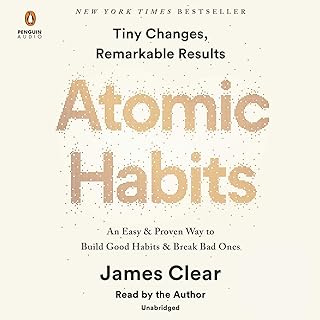
Understanding the science helps you stop blaming yourself. Your brain is wired to seek immediate rewards. Discipline is the conscious override. But you can hack this by designing your environment and routines so that the disciplined choice is the easy one.
How to Master Self Discipline: a Step-by-step Method for Lasting Change
Now we get to the core. This method combines behavioral psychology, habit research, and practical wisdom. Follow these steps in order. Do not skip the early ones, even if they feel too simple.
Step 1: Clarify Your Why
Discipline without a deep reason is a recipe for burnout. You need a compelling purpose that pulls you forward when motivation disappears.
Ask yourself: Why do I want to master self-discipline? What will my life look like in five years if I stick with it? What will it look like if I do not? Write it down.
Your why must be emotional, not logical. For example, “I want to be healthy so I can play with my grandkids” is stronger than “I want to lose 10 pounds.” The bigger the why, the easier the discipline.
Step 2: Start Small (The Atomic Habit Approach)
This is where most people fail. They try to overhaul their entire life overnight. That works for about a week, then the willpower tank runs dry.
Instead, pick one tiny behavior. Something that takes less than two minutes. Want to read more? Read one page a day. Want to exercise? Do one push up.
The goal is to build identity, not just results. Each small win signals to your brain: “I am the kind of person who does this.” Over time, that identity compounds.
Step 3: Design Your Environment
Your environment is more powerful than your willpower. If your phone is on your nightstand, you will check it. If junk food is in your kitchen, you will eat it.
To learn how to master self discipline, you must make good habits easy and bad habits hard. Put your workout clothes next to your bed. Delete social media apps. Leave your guitar out where you can see it.
One simple yet powerful ritual is making your bed every morning. Admiral William H. McRaven popularized this in his book Make Your Bed: Little Things That Can Change Your Life…And Maybe the World. It gives you an instant sense of accomplishment and sets the tone for the day.

Step 4: Use Implementation Intentions
Vague intentions like “I will exercise more” rarely work. Replace them with a specific plan: “I will go for a 20 minute run at 7 AM in the park on Monday, Wednesday, and Friday.”
This is called an implementation intention. It links a trigger (time or location) with a behavior. Studies show this doubles the likelihood of following through.
Step 5: Build Routines, Not Schedules
A schedule tells you what to do. A routine is a sequence you do automatically. The difference is freedom. When you have a morning routine, you do not have to decide what comes next. You just execute.
Start with a simple morning routine: wake up, make your bed, drink water, do one small task, then start your most important work. Keep the evening routine simple too: put your phone away, prepare for tomorrow, read for 10 minutes.
Step 6: Practice Delayed Gratification
This is the core of self-discipline. Every day you face choices between instant pleasure and long term gain. The ability to wait is a superpower.
Start small. When you want to check social media, pause for five minutes. When you crave a sugary snack, drink a glass of water first. Each time you delay, you strengthen your self-control muscle.
Step 7: Forgive Yourself and Move On
You will have off days. You will skip a workout or eat the cake. That is normal. Guilt and shame only make things worse. What matters is what you do next.
The best way to maintain long term discipline is to never miss twice. Skipping one day is okay. Skipping two days becomes a new habit. So if you break your streak, get back on track immediately.
Step 8: Track Your Progress
What gets measured gets managed. Use a simple habit tracker, a calendar, or an app. Checking off a box releases dopamine, reinforcing the behavior.
Tracking also shows you patterns. Maybe you always struggle on Thursdays. Now you can adjust your environment or routine for that day.
Step 9: Find Accountability
You are more likely to stick with a commitment if someone else expects you to. Tell a friend, join a group, or hire a coach.
Accountability works because it raises the cost of failing. It also makes the journey less lonely. Share your goals and ask for check ins.
Step 10: Embrace Discomfort
Lasting change requires you to do things you do not want to do. That is the whole point. Instead of avoiding discomfort, learn to lean into it.
Cold showers, early mornings, difficult conversations. Each time you face discomfort and survive, you prove to yourself that you are stronger than you thought. Over time, your comfort zone expands.
The book The Mountain Is You: Transforming Self-Sabotage into Self-Mastery is an excellent deep dive into this mindset. It helps you understand why you self sabotage and how to overcome it.

Common Myths About Self-Discipline
Myth 1: You can motivate yourself into discipline.
Motivation is fleeting. Discipline is what you do when motivation is gone.
Myth 2: Discipline means never having fun.
It means having fun on your own terms, after you have handled your responsibilities.
Myth 3: Some people are just born disciplined.
Everyone struggles. The people who seem disciplined have simply built better systems.
Myth 4: Discipline is painful.
In the beginning, yes. But once it becomes a habit, it feels worse to break the streak than to keep going.
Recommended Resources for Mastering Self-Discipline
If you want to go deeper, these books are worth your time. Each one offers a unique angle on how to master self discipline.
| Book | Image | Price | Rating | Buy at Amazon |
|---|---|---|---|---|
| No Excuses!: The Power of Self-Discipline | |
$8.66 | 4.7 | Buy Now |
| Atomic Habits: An Easy & Proven Way to Build Good Habits & Break Bad Ones | |
$0.00 (free with Audible) | 4.8 | Buy Now |
| The Mountain Is You: Transforming Self-Sabotage into Self-Mastery | |
$0.00 (free with Audible) | 4.7 | Buy Now |
| Discipline Is Destiny: The Power of Self-Control |  |
$5.88 | 4.7 | Buy Now |
| The Power of Discipline: How to Use Self Control and Mental Toughness to Achieve Your Goals |  |
$16.83 | 4.6 | Buy Now |
| 365 Days With Self-Discipline: 365 Life-Altering Thoughts on Self-Control, Mental Resilience, and Success |  |
$0.00 (free with Audible) | 4.5 | Buy Now |
Frequently Asked Questions
What is the best way to start mastering self-discipline?
Start with one tiny habit. Pick something that takes less than two minutes and do it every day. Then gradually expand. Read Atomic Habits for a full system.
How long does it take to build self-discipline?
There is no fixed timeline. Some people see changes in a few weeks, others need months. The key is consistency, not speed. Focus on the process, not the clock.
Can self-discipline be learned as an adult?
Absolutely. The brain remains plastic throughout life. You can rewire your habits at any age. It takes practice, but it is 100% possible.
Why do I keep failing at self-discipline?
Most likely because you are trying to change too much at once. Your environment is also working against you. Simplify, start smaller, and redesign your surroundings.
Are there any supplements that help with self-discipline?
No supplement replaces a solid system. However, good sleep, proper nutrition, and exercise significantly improve your willpower reserves. Focus on the basics first.
What is the one book I should read first on self-discipline?
If you can only read one, choose No Excuses!: The Power of Self-Discipline by Brian Tracy. It covers motivation, time management, and mindset in a very actionable way.
Your Next Step
You now have a clear method for how to master self discipline. The difference between where you are and where you want to be is the series of small choices you make each day. Pick one step from this guide and put it into action right now.
Do not wait for motivation. Do not wait for the perfect moment. Start with your bed. Start with one page. Start with one push up. The compound effect of these tiny actions will reshape your life.
You have everything you need. The only thing missing is the decision to begin. And you have already taken that decision by reading this far. Now go and build the life you deserve.