
Picture this: You stare at the last slice of chocolate cake in the fridge. Your hand hesitates. You wrestle with the urge, and after a long internal battle, you say no. That is self-control at work.
Now picture this: You decided last Sunday that you would eat clean this week. You planned your meals, prepped your veggies, and made peace with the fact that cake is not on the menu. When Thursday rolls around and someone brings cake to the office, you barely flinch. That is self-discipline.
The difference between self control and self discipline is not just academic. It is the difference between fighting every wave and learning how to surf. Understanding this difference will change how you approach every goal you set.
Most people treat them as the same thing. They are not. One is a reactive muscle you flex in the heat of the moment. The other is a proactive system you build over time. Knowing which one to develop can save you years of frustration.
Let us break down the difference between self control and self discipline so clearly that you will never confuse them again. And more importantly, you will know exactly what to build to create lasting change.
Table of Contents
What Is Self Control? The Emergency Brake
Self-control is your ability to resist temptation in the moment. It is the mental force that stops you from hitting snooze, checking social media during work, or buying something you cannot afford.
Think of self-control as an emergency brake. It is powerful. It can stop you from crashing. But you do not want to drive your entire life with one hand on the brake lever.
Self-control relies on willpower. And willpower is a limited resource. Studies show that using self-control in one area can deplete your ability to use it in another. That is why you are more likely to eat junk food after a long day of decision making.
The classic example is the marshmallow test. Children who could resist eating one marshmallow now to get two later were using self-control. But the test was also about creating environments where self-control is easier. The kids who succeeded often looked away or distracted themselves.
Self-control is reactive. It kicks in when you are face to face with a choice. It says, "No, stop, don't do that." It is essential but exhausting when used as your only strategy.
What Is Self Discipline? The Engine That Runs on Autopilot
Self-discipline is different. It is not about fighting urges. It is about aligning your actions with your values and goals before the temptation even appears.
Self-discipline is proactive. You decide ahead of time what you will do. You create systems, routines, and habits that make the right choice the easy choice.
If self-control is hitting the brakes, self-discipline is building a road with no sharp turns. It removes the need for constant resistance.
Take exercise. Someone relying on self-control drags themselves to the gym each morning, fighting the urge to stay in bed. Someone with self-discipline has already laid out their workout clothes the night before, scheduled the time, and built the habit to the point where skipping feels wrong.
Self-discipline is consistent action driven by identity. You do something because it is who you are, not because you are forcing yourself.
The beautiful thing about self-discipline is that it grows stronger the more you practice it. Unlike self-control which depletes, self-discipline builds a compounding effect. Each time you follow through, the next time becomes easier.
The Core Difference Between Self Control and Self Discipline
Let us put them side by side so the difference between self control and self discipline becomes crystal clear.
| Aspect | Self-Control | Self-Discipline |
|---|---|---|
| Nature | Reactive | Proactive |
| When it works | In the moment of temptation | Before the moment arrives |
| Energy cost | High, depletes willpower | Low, becomes automatic |
| Longevity | Short-term resistance | Long-term consistency |
| Example | Resisting buying a snack at checkout | Prepping healthy lunches every Sunday |
| Source | Willpower | Habits, routines, identity |
| Result | Temporary victory | Sustainable success |
Self-control handles the crisis. Self-discipline prevents the crisis from happening in the first place.
That is why building self-discipline is more powerful. You spend less energy resisting and more energy moving forward.
However, both are valuable. You need self-control when life throws unexpected temptations your way. But if you build strong self-discipline, you will face fewer of those moments.
Why Self Discipline Works Better (And How to Build It)
The biggest problem with self-control is that it depends on your mental state. When you are tired, hungry, stressed, or distracted, your willpower crumbles. That is why New Year resolutions made purely on self-control rarely last past February.
Self-discipline works because it rewires your brain. You train yourself to act in alignment with your goals regardless of how you feel.
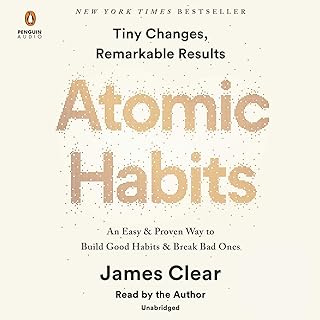
Consider the book Atomic Habits by James Clear, rated 4.8 stars on Amazon. Clear shows that small, incremental changes built into routines create massive results over time. The book is not about willpower. It is about designing your environment and habits so that discipline becomes your default mode.
You do not need extraordinary willpower to floss one tooth. That tiny commitment, done consistently, leads to flossing every tooth. That is self-discipline in practice.
Another excellent resource is No Excuses!: The Power of Self-Discipline by Brian Tracy, priced at just $8.66 with a 4.7 rating. Tracy breaks down how to apply self-discipline to every area of life: health, finances, relationships, and career.

Both books tackle the difference between self control and self discipline from different angles, but they agree on one thing: discipline beats willpower in the long run.
How the Difference Between Self Control and Self Discipline Shows Up in Real Life
Let us look at three common scenarios to see the difference clearly.
Scenario 1: Saving Money
Self-control: You see a pair of shoes on sale. You really want them. You fight the urge and walk away. You feel proud but drained.
Self-discipline: You have an automatic transfer to your savings account every paycheck. You have a budget that allocates money to fun, but you also have a rule: "Check if I need it, not just want it." You have built a lifestyle where impulsive buying is rare. You do not even feel tempted.
Scenario 2: Writing a Book
Self-control: You force yourself to write for an hour even though you would rather watch Netflix. Every session is a battle.
Self-discipline: You write 300 words every morning before checking your phone. It is a nonnegotiable part of your routine. After a few weeks, it feels strange to skip a day. The book writes itself through small, consistent actions.
Scenario 3: Staying Fit
Self-control: You drag yourself to the gym three times a week, using every ounce of willpower to finish the workout.
Self-discipline: You schedule your workouts at the same time each day. You keep your gym bag in the car. You have a training plan that adjusts based on progress. You rarely miss because missing feels like breaking a promise to yourself.
How to Build Self Discipline (Even If You Have Zero Willpower)
Many people think they lack discipline. The truth is they have never learned how to build it. The difference between self control and self discipline is a skill, not a genetic trait.
Here are practical steps to shift from relying on self-control to living with self-discipline.
Start Small: The Two Minute Rule
Do not overhaul your entire life at once. Pick one tiny action that takes less than two minutes and do it daily. Read one page of a book. Do one pushup. Write one sentence.
This builds the identity of a disciplined person. Once you see yourself as someone who reads every day, reading fifty pages becomes natural.
Design Your Environment
Make the right choice easy. Keep healthy snacks visible. Put your phone in another room while working. Use apps that block distractions.
Self-discipline does not rely on mental strength. It relies on reducing friction toward good habits and increasing friction toward bad ones.
Use Implementation Intentions
Research shows that planning exactly when and where you will act increases follow through. Instead of "I will exercise more," say "I will jog for twenty minutes at 7 AM in the park wearing my blue shoes."
This removes the moment of decision making. You have already decided. Your only job is to execute.
Track Your Progress
What gets measured gets managed. Use a simple calendar to mark each day you follow through. Seeing a chain of success motivates you to keep going.
James Clear calls this "don't break the chain." It turns discipline into a game.
Embrace Discomfort on Purpose
Self-discipline grows when you voluntarily do hard things. Take cold showers. Wake up thirty minutes earlier. Say no to a small comfort.
Each time you choose discomfort for a greater goal, you strengthen your discipline muscle. You also learn that discomfort is temporary and survivable.
Recommended Books to Master the Difference Between Self Control and Self Discipline
Below is a comparison of some top rated books that will help you understand and build both qualities.
| Product | Image | Price | Rating | Buy at Amazon |
|---|---|---|---|---|
| No Excuses!: The Power of Self-Discipline | |
$8.66 | 4.7 | Buy at Amazon |
| Atomic Habits | |
$0.00 (free with Audible trial) | 4.8 | Buy at Amazon |
| Discipline Is Destiny: The Power of Self-Control |  |
$5.88 | 4.7 | Buy at Amazon |
| The Science of Self-Discipline |  |
$0.00 (free with Audible trial) | 4.5 | Buy at Amazon |
| The Power of Discipline |  |
$16.83 | 4.6 | Buy at Amazon |
| The Mountain Is You |  |
$0.00 (free with Audible trial) | 4.7 | Buy at Amazon |
| Discipline Equals Freedom |  |
$12.93 | 4.7 | Buy at Amazon |
| Digital Self-Discipline |  |
$12.99 | 4.8 | Buy at Amazon |
| Stoic Self-Discipline |  |
$19.99 | 4.7 | Buy at Amazon |
Each of these books offers unique insights into the difference between self control and self discipline. Atomic Habits and No Excuses! are excellent starting points. Discipline Is Destiny provides a Stoic perspective. The Mountain Is You dives into overcoming self-sabotage.
Common Questions About the Difference Between Self Control and Self Discipline
Can you have self-discipline without self-control?
Not really. Self-discipline builds on small acts of self-control, especially at the beginning. When you first start a new habit, you need self-control to override old patterns. Over time, those acts become automatic and self-discipline takes over.
Which is more important for success?
Self-discipline is more important for long-term success because it creates sustainable systems. But you still need self-control for unexpected situations. The ideal is to build enough self-discipline so that you rarely need to rely on raw self-control.
How long does it take to build self-discipline?
It depends on the habit. Some research suggests 66 days on average for a behavior to become automatic. But the mindset shift can happen quickly if you start with small wins. The key is consistency, not intensity.
Can self-control be trained like a muscle?
Yes, but with diminishing returns. You can strengthen your willpower by practicing it, but it will always be limited by your energy and mental state. Self-discipline is more like building a road that bypasses the need for willpower.
The Bottom Line: Know the Difference, Build Both
Understanding the difference between self control and self discipline is the first step to personal mastery. Self-control is your emergency brake. Self-discipline is your engine.
You do not need to choose one. You need to develop both, but prioritize the one that creates lasting change.
Start by picking one small area of your life where you rely too much on willpower. Then design a system that removes the need for it. Use the resources available, like the books mentioned in this article, to guide you.
Remember, every disciplined person started as someone who struggled with self-control. They did not try harder. They built smarter. And you can too.
Buy a copy of No Excuses!: The Power of Self-Discipline or Atomic Habits today. The investment in your future starts with a single click, but the return on that investment lasts a lifetime.
Now go build the life you want, not by fighting every urge, but by becoming the kind of person who does not need to fight at all.
Frequently Asked Questions
What is the main difference between self control and self discipline?
The main difference between self control and self discipline is that self-control is the ability to resist temptation in the moment, using willpower, while self-discipline is the proactive practice of aligning your actions with your goals through habits and routines, reducing the need for willpower.
Can you have self-discipline without self-control?
You cannot build self-discipline without practicing some self-control first. Early on, starting a new habit requires resisting old patterns. Over time, self-discipline replaces the need for constant self-control.
Which is better for weight loss: self control or self discipline?
Self-discipline is far more effective for weight loss. Relying on self-control to resist junk food every day is exhausting. Self-discipline involves meal prepping, healthy routines, and changing your environment so that healthy choices become automatic.
How do I stop relying on willpower and build self discipline?
Start with a single tiny habit. Design your environment to make the right choice easy. Use implementation intentions to plan when and where you will act. Track your progress. Gradually increase the difficulty. Over time, your brain rewires and discipline becomes your default.
What are some books that explain the difference between self control and self discipline?
Excellent books include No Excuses!: The Power of Self-Discipline, Atomic Habits, Discipline Is Destiny, The Science of Self-Discipline, and The Power of Discipline. Each offers practical strategies to build lasting discipline.
Can self discipline be learned?
Absolutely. Self-discipline is a skill, not a fixed trait. Anyone can develop it through consistent practice, starting with small actions and gradually increasing the challenge. Your brain adapts to new patterns.