
You’ve tried white‑knuckling your way to better habits. You told yourself “this time I’ll have more willpower” and then two weeks later you were ordering pizza at midnight while binge‑watching a show you don’t even like. Sound familiar? Here’s the uncomfortable truth: building self discipline isn’t about gritting your teeth harder. It’s about building systems that make the right choice the easy choice.
The secret that separates people who actually change from those who just try? They don’t rely on fleeting motivation. They design environments, routines, and triggers that do the heavy lifting. In this guide, we’ll tear down the myth of “stronger cravings” and show you exactly how to wire your life so self‑discipline becomes automatic.
Let’s get one thing straight upfront: self‑discipline is a skill you build, not a trait you’re born with. And like any skill, it requires the right tools. The best tools? Systems.
Table of Contents
Why Willpower Is Overrated (And What Actually Works)
Science has been clear for decades: willpower is a limited resource. You wake up with a tank of it, and every decision, every temptation, every micro‑choice drains it. By 8 p.m., that tank is empty. That’s why you can eat kale for breakfast, crush your afternoon workout, then fall face‑first into a bag of chips.
Building self discipline means you stop expecting your future self to be a superhero. You accept that you’re human. Then you build a system that protects you from your own exhaustion.
The research backs this up. A famous study by Baumeister showed that people who had to resist eating cookies later gave up faster on a frustrating puzzle. Their willpower was depleted. The takeaway? Stop relying on resolve. Start relying on structure.
What Are Systems, Anyway? (A Simple Definition)
A system is a repeatable process that makes a desired behavior more likely, often without you having to think about it. It’s the opposite of “I’ll try harder tomorrow.”
Think of it this way:
- Goal: Eat healthier.
- Willpower approach: “I’ll resist junk food.” (Exhausting, unreliable.)
- System approach: You don’t buy junk food. Or you keep an apple on your desk. Or you meal‑prep Sunday so there’s no decision fatigue during the week.
The system removes the need for conscious resistance. That’s the entire point. Building self discipline becomes a matter of environment design, not a daily battle with your cravings.
The best systems share three traits:
- They lower the friction for good habits.
- They raise the friction for bad habits.
- They work even when you’re tired, stressed, or distracted.
How to Design Systems That Make Self‑Discipline Automatic
You don’t need a complete life overhaul. You need small, high‑leverage tweaks. Here’s how.
1. Use the 20‑Second Rule (Lower Friction)
Shawn Achor, author of The Happiness Advantage, talks about the 20‑second rule: if you can reduce the time it takes to start a good habit by just 20 seconds, you’ll do it far more often.
Example: Want to play guitar? Keep it out of its case, on a stand, in the middle of the room. Want to exercise? Lay your gym clothes out the night before. Building self discipline becomes easier when you stop making yourself work to start.
2. Habit Stack Your Way to Consistency
James Clear’s Atomic Habits popularized this. The formula: “After [current habit], I will [new habit].”
Example: After I pour my morning coffee, I will write for five minutes. After I brush my teeth at night, I will read one page of a book.
This works because the existing habit acts as a trigger. You don’t need to decide when to do the new thing; the system decides for you.
3. Design Your Environment for Success
Your environment is the most powerful force in your life. If your phone is in your hand, you’ll scroll. If your TV is in your bedroom, you’ll watch. If chips are in your pantry, you’ll eat them.
Action step: Make good habits the path of least resistance. Put vegetables at eye level in the fridge. Remove social media apps from your home screen. Put your alarm clock across the room so you have to get out of bed to turn it off.
Building self discipline through environment design is like putting your future self on autopilot. You’ll do what’s easy, so make the right thing easy.
4. Use Commitment Devices
A commitment device is a decision you make now that locks you into future behavior. Examples:
- Buy a smaller plate to control portion sizes.
- Set a recurring meeting at the gym with a trainer (you’ll feel bad cancelling).
- Use apps that block distracting websites during work hours.
One powerful commitment device: put money on the line. Services like StickK let you bet on your own goals. If you fail, you lose cash. Pain works.
Examples of Systems in Action
Let’s see how building self discipline looks for real people.
The Writer Who Struggles to Write:
- System: Every morning, after breakfast, opens a blank document and writes 200 words before checking email.
- Why it works: No decision needed. Low bar. Immediate start.
The Person Who Wants to Wake Up Early:
- System: Sets an alarm across the room, goes to bed 30 minutes earlier, and places a glass of water next to the bed.
- Why it works: Physical movement breaks sleep inertia, hydration wakes the body.
The Chronic Procrastinator:
- System: Uses the “2‑minute rule” – if a task takes less than two minutes, do it immediately. For bigger tasks, commit to working on it for just five minutes.
- Why it works: Starting is the hardest part. Once you start, momentum carries you.
The Role of Self‑Discipline in a System
Does this mean you never need self‑discipline? No. Systems reduce the amount of self‑discipline required, but they don’t eliminate it. You still need discipline to set up the system, and you need discipline to maintain it. But the load is far lighter.
Think of it like cooking. If you have a well‑organized kitchen (system), you can whip up a meal with minimal effort. But you still need the skill of cooking (discipline) to get started. The kitchen just makes it easier.
Building self discipline is about becoming the kind of person who installs systems. You shift from “I wish I had more willpower” to “I create conditions where willpower is rarely needed.”
Top Books to Master Systems and Self‑Discipline
The best resources often come from those who have walked the path. Here are five essential reads. Each one reinforces the systems‑first approach.

No Excuses!: The Power of Self-Discipline by Brian Tracy – $8.66 – 4.7 stars. Tracy lays out practical principles for developing iron‑clad discipline in every area of life. A straightforward, no‑nonsense guide.
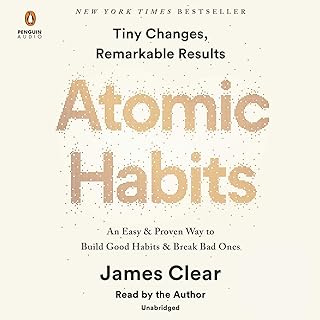
Atomic Habits by James Clear – free with Audible trial (or purchase) – 4.8 stars. The modern classic on small changes leading to remarkable results. Clear’s four‑step model (cue, craving, response, reward) is a blueprint for system design.

Discipline Is Destiny by Ryan Holiday – $5.88 – 4.7 stars. Holiday explores how self‑control is the foundation of a fulfilling life. He weaves ancient Stoic wisdom into practical modern advice.

The Science of Self-Discipline by Peter Hollins – free with Audible trial – 4.5 stars. A research‑backed approach to understanding how willpower works and how to train it like a muscle.

The Power of Discipline by Daniel Walter – $16.83 – 4.6 stars. A comprehensive guide combining practical strategies with psychological insights. Great for those who want both the why and the how.
Comparison of Top Self‑Discipline Books
| Book | Price | Rating | Key Focus | Picture | Buy at Amazon |
|---|---|---|---|---|---|
| No Excuses! | $8.66 | 4.7 | Practical principles, no fluff | |
Buy Now |
| Atomic Habits | $0.00 (audible) | 4.8 | Small habits, systems, identity | |
Buy Now |
| Discipline Is Destiny | $5.88 | 4.7 | Stoic philosophy, self‑control | |
Buy Now |
| The Science of Self‑Discipline | $0.00 (audible) | 4.5 | Research‑driven, mental toughness | |
Buy Now |
| The Power of Discipline | $16.83 | 4.6 | Practical + psychological | |
Buy Now |
Advanced Strategies: When Temptation Still Strikes
Even with perfect systems, you’ll face moments of weakness. Here’s how to handle them without derailing your progress.
The 10‑Minute Rule
When a craving hits, tell yourself: “I can give in, but only after 10 minutes of doing something else.” Usually, the urge passes. Cravings are like waves – they peak and subside. Wait them out.
Reframe the Identity
The most powerful shift you can make is from “I’m trying to be disciplined” to “I am someone who is disciplined.” Building self discipline becomes easier when you see it as part of your identity, not a burden.
Ask: “What would a disciplined person do right now?” Then do that. Don’t argue with yourself. Just act.
Create a “Go to” Ritual
Design a quick ritual that re‑centers you when you feel tempted. It could be taking three deep breaths, splashing cold water on your face, or reciting a mantra like “I don’t do that anymore.” The ritual breaks the automatic habit loop and gives you a moment to consciously choose.
The Myth of Stronger Cravings
Many people believe they need to “build stronger willpower to resist stronger cravings.” That’s backward. The goal is not to resist more; it’s to have less to resist. You don’t become a master of discipline by fighting every battle. You become a master by choosing your battles wisely.
If you keep trying and failing to stick to a diet, the problem isn’t your lack of willpower. The problem is that your environment is designed for failure. Change the environment, and the cravings fade.
Building self discipline is really about building self kindness. You treat your future self as a friend you want to help, not an enemy you need to bully.
The Emotional Side of Systems
Let’s be real: change is hard. You’ll feel frustration, boredom, even resentment when you first try to implement new systems. That’s normal. Your brain is used to the familiar, even if the familiar is messing up your life.
The key is to expect resistance and not get discouraged. Systems work because they can absorb a few slips. If you miss a day of your new habit, the system doesn’t collapse. You just get back on it the next day. No guilt, no shame.
Progress, not perfection. That’s the mantra of sustainable change.
A Step‑by‑Step Plan to Start Today
You don’t need to read twenty books before you act. Here’s a practical starting point:
- Pick one habit you want to build or break.
- Identify a friction point. What makes the good habit hard? What makes the bad habit easy?
- Design one system to reduce friction for good and increase friction for bad.
- Set a 30‑day test. Track your compliance, but don’t judge yourself harshly.
- Tweak and repeat. Systems aren’t set in stone. Adjust as you learn.
For example, if you want to stop phone scrolling in bed:
- Friction for bad habit: Phone is on the nightstand.
- System: Charge your phone in another room. Buy a dedicated alarm clock.
- Friction for good habit: None (reading a book instead).
- Result: You’ll read more and sleep better.
Frequently Asked Questions
What’s the difference between building self discipline and willpower?
Willpower is the conscious effort to resist an impulse. Self‑discipline is the skill of creating systems that reduce the need for willpower. Building self discipline focuses on long‑term structure, not short‑term grit.
How long does it take to see results from systems?
You can feel a difference in a few days, but lasting change takes 2‑3 months of consistent practice. The first week is hardest; after 30 days, the new behavior becomes easier.
Can I build self discipline without giving up things I love?
Yes. Systems aren’t about deprivation. They’re about alignment. You can schedule treats consciously instead of letting them happen impulsively. Discipline and enjoyment can coexist.
What if I fall off the wagon after a few days?
Forgive yourself and restart immediately. One slip doesn’t erase your progress. The system is still there. The moment you think “I’ve already blown it,” you’ve lost. If you think “I’m back on it,” you’ve won.
Are there any quick wins for better self‑discipline?
Yes. Start with your environment: remove temptations from sight. Use the 2‑minute rule to overcome procrastination. And make one tiny change – like drinking a glass of water every morning before coffee – to build momentum.
Your Next Step
You now have the blueprint. Building self discipline doesn’t require a superhuman will. It requires a willingness to look honestly at your environment and say, “What can I make easier?”
Start small. Pick one system today. Maybe you’ll lay out your workout clothes tonight. Maybe you’ll move your phone charger out of your bedroom. Maybe you’ll set a 10‑minute timer and write down your biggest friction points.
Whatever you choose, do it now. Not after you finish this article. Not tomorrow. Right now.
Because the person who wins at life isn’t the one with the strongest cravings or the fiercest will. It’s the one who designs a world where winning is the default.
You can be that person. Start building your systems today.