
Self discipline is the secret ingredient behind almost every meaningful achievement. It’s the difference between wishing for a better life and building one. But let’s be honest: motivation comes and goes, willpower runs out, and life throws distractions at you like confetti.
The good news? You don’t need superhuman willpower. You just need smart, repeatable strategies that make self discipline feel less like a battle and more like a habit. In this guide, I’ll walk you through 15 self discipline tips that actually deliver results, backed by science, real-world experience, and a few excellent books you can grab to sharpen your mindset.
If you want a deep dive into the psychology behind discipline, check out Atomic Habits by James Clear. It’s the most popular habit book for a reason. Or if you need a kick in the pants, No Excuses!: The Power of Self-Discipline by Brian Tracy is a classic.
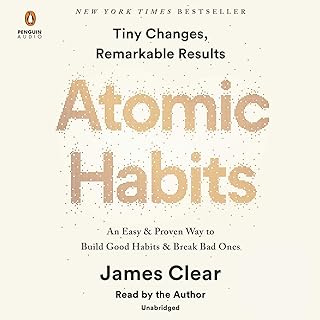
Table of Contents
1. Start Small: The 2-Minute Rule
Big goals trigger resistance. Your brain sees “write a book” and immediately wants to check Instagram. The fix? Shrink the task until it feels too easy to say no to.
The 2-minute rule says: when you start a new habit, it should take less than two minutes to complete. Want to exercise? Put on your running shoes. Want to write? Write one sentence. That’s it.
This lowers the barrier to entry. Once you start, momentum carries you forward. James Clear calls this the “gateway habit.” In his book Atomic Habits, he shows how tiny actions compound into massive change. You can listen to the audiobook for free with a trial.
2. Define Your “Why” with Clarity
You won’t stick with anything if you don’t know why it matters. “I want to be more disciplined” is vague. “I want to wake up at 5 AM so I can write before my kids wake up” is powerful.
Your “why” needs emotional weight. Attach it to a person you love, a dream you’re scared to voice, or a version of yourself you refuse to let down.
Brian Tracy’s No Excuses!: The Power of Self-Discipline dives deep into how purpose fuels discipline. It’s packed with no-fluff strategies and costs only $8.66.

3. Use Implementation Intentions (If-Then Plans)
Vague intentions fail. “I’ll work out this week” leaves too much open. Research shows that forming an implementation intention (a specific if-then plan) dramatically increases follow-through.
Example: “If it’s 7 AM, then I will do 20 push-ups.” The cue is automatic. You remove decision-making, which saves willpower.
Try it for one habit this week. Write three “if-then” statements and put them where you’ll see them.
4. Design Your Environment for Success
Willpower is overrated. Environment always wins. If your phone is next to your bed, you’ll scroll. If healthy snacks are hidden and chips are out, you’ll eat chips.
Make the right choice the easy choice. Want to eat better? Put fruit on the counter, chips in the cupboard. Want to focus? Leave your phone in another room. Want to read more? Keep a book on your pillow.
This is a core principle in The Power of Discipline by Daniel Walter. He explains how mental toughness starts with your surroundings.
5. Practice Daily Micro-Wins
Discipline is built through small victories, not heroic efforts. Each time you do what you said you would, you strengthen your self-control muscle.
Micro-wins can be as small as making your bed, drinking a glass of water first thing, or sending one email you’ve been avoiding. Admiral William H. McRaven famously said, “If you want to change the world, start off by making your bed.”
That advice became a bestselling book: Make Your Bed: Little Things That Can Change Your Life…And Maybe the World. It’s a quick read ($6.95) that reinforces how small disciplines stack into an unshakeable mindset.

6. Embrace the “Seinfeld Strategy” for Consistency
Comedian Jerry Seinfeld once said the best way to write better jokes is to write every day and never break the chain. Mark a calendar with a big red X each day you do your habit. The streak becomes its own motivation.
This works because visual progress is addictive. You don’t want to break the chain. It’s simple, cheap, and effective.
7. Use Time Blocking to Protect Your Focus
Multitasking is a myth. Your brain simply switches tasks, leaking focus each time. Time blocking means you schedule specific blocks of time for specific tasks, with no interruptions.
Want to write? Block 7–9 AM for writing. Turn off notifications. Close email. This trains your brain to focus deeply. Jocko Willink, former Navy SEAL, practices extreme time blocking. His book Discipline Equals Freedom: Field Manual Mk1-MOD1 is a gritty field guide on this.

8. Stack Habits to Build Momentum
Habit stacking is simple: after an existing habit, do a new one. “After I pour my morning coffee, I will write for five minutes.” The existing habit acts as a trigger.
This technique is a cornerstone of Atomic Habits and one of the most effective self discipline tips out there. You piggyback on neural pathways you already have.
9. Build a Pre-Commitment Routine
Pre-commitment means making it harder to fail. You commit before temptation hits. Examples: pack your gym bag the night before, schedule a workout with a friend, or use a site blocker during work hours.
This reduces the need for willpower in the moment. You’ve already made the smart choice when you were clear-headed.
10. Track Progress Visually
What gets measured gets managed. Keep a journal, use a habit tracker app, or put a chart on your wall. Seeing your progress boosts motivation and reveals patterns.
In The Power of Discipline, the author emphasizes self-monitoring as a key to mental toughness. You can’t improve what you don’t track.
11. Reward Yourself Strategically
Discipline isn’t about deprivation forever. Reward yourself for hitting milestones. The reward should be small, immediate, and enjoyable. A coffee, 10 minutes of gaming, or a good podcast episode.
But be careful: don’t use rewards that sabotage your goal. If your goal is to cut sugar, don’t reward yourself with a candy bar. Find aligned rewards.
12. Learn to Say No
Every yes to something is a no to something else. You can’t be disciplined about everything at once. Protect your priorities by saying no to distractions, extra commitments, and even people who drain your energy.
The book Yes to You, No to Them: The Discipline of Saying No and the Freedom that Follows (price $18.63, rating 5 stars) is a fresh take on this skill. It’s short but powerful.

13. Exercise Your Willpower Muscle Regularly
Willpower is like a muscle: it gets stronger with use and fatigues with overuse. Start with small challenges, like standing up straight for five minutes or using your non-dominant hand to brush your teeth. These micro-exercises build your mental reserves.
But don’t rely on willpower for everything. Use strategies 1–12 to reduce the need for it.
14. Use the “Five-Second Rule” to Beat Procrastination
Mel Robbins popularized this: when you feel hesitation before a difficult task, count backwards 5–4–3–2–1 and then move. The counting interrupts your brain’s avoidance pattern and pushes you into action.
It sounds silly, but it works because it bypasses overthinking. Next time you’re about to skip a workout, try it.
15. Reflect and Adjust Weekly
Discipline isn’t static. What works this month may not work next month. Every Sunday, spend 10 minutes reviewing: what went well? Where did I slip? What can I change?
This reflection loop is essential for long-term consistency. It turns failure into feedback. The most disciplined people are not perfect; they are excellent at course-correcting.
Which Self Discipline Book Should You Read First?
Below is a comparison of four top-rated books on self discipline. Each has a unique angle, so pick the one that matches your biggest struggle.
| Title | Price | Rating | Key Focus | Buy at Amazon |
|---|---|---|---|---|
| Atomic Habits by James Clear | Free (audible trial) | 4.8 / 148,600 reviews | Habit building, systems, tiny changes | |
| No Excuses! by Brian Tracy | $8.66 | 4.7 / 3,800 reviews | Willpower, goal-setting, time management | |
| The Power of Discipline by Daniel Walter | $16.83 | 4.6 / 11,200 reviews | Mental toughness, self-control, habits |  |
| Discipline Equals Freedom by Jocko Willink | $12.93 | 4.7 / 8,800 reviews | Stoic mindset, extreme ownership, action | |
Which one to start with? If you’re new to building habits, go with Atomic Habits. If you need a no-excuses kick, No Excuses! is perfect. For a military-style mental toughness manual, Discipline Equals Freedom delivers.
Frequently Asked Questions About Self Discipline
What is self discipline?
Self discipline is the ability to control your impulses, emotions, and behaviors to achieve long-term goals. It’s not about punishing yourself; it’s about aligning your daily actions with your deeper values. Think of it as the bridge between intention and action.
Why is self discipline so hard to maintain?
Because your brain is wired for short-term pleasure, not long-term payoff. Every time you resist a cookie to stick to a diet, you’re fighting ancient survival instincts. That’s why relying solely on willpower is a losing strategy. Instead, use systems like habit stacking, environmental design, and pre-commitment to make discipline easier.
How can I improve self discipline quickly?
Start with one tiny change. Apply the 2-minute rule to a habit you keep putting off. Then use an if-then plan to automate it. Track your progress for at least three weeks. That’s the fastest way to build momentum.
Can self discipline be learned, or is it genetic?
Yes, it can absolutely be learned. While some people have a natural advantage, research shows that self control is like a skill. With consistent practice using proven techniques, anyone can become more disciplined. The books listed above are excellent training manuals.
What’s the best self discipline book for beginners?
Atomic Habits by James Clear is widely considered the best starting point. It’s practical, well-researched, and doesn’t require a huge commitment. The audiobook version is currently free with an Audible trial, so there’s no excuse.
How do I stay disciplined when I’m not motivated?
Motivation is fleeting. When it disappears, fall back on your routines and environment. Use the five-second rule to start, even when you don’t feel like it. Remind yourself of your deeper why. And remember: discipline is choosing what you want most over what you want now.
What are some signs of low self discipline?
Common signs include: frequently procrastinating on important tasks, breaking promises to yourself, feeling out of control with screen time or food, and starting many projects but finishing few. The good news is every one of these can be addressed with the strategies above.