
Bad habits don’t just happen. They are triggered by cues in your environment. That bag of chips sitting on the counter. The phone charging next to your bed. The stress of a messy desk. Every day, your surroundings silently steer your behavior. If you want to stop a bad habit permanently, the most effective strategy isn't willpower—it’s environmental design.
By reshaping your physical and digital environment, you remove the cues that spark unwanted behaviors and replace them with triggers that support better choices. This isn’t just theory. It’s backed by decades of behavioral science. And when applied to areas like nutrition—especially protein powder consumption—you can finally break that cycle of grabbing sugary snacks or skipping meals.
In this deep-dive, we’ll explore exactly how to redesign your environment to crush bad habits for good. We’ll also look at how using a high-quality protein powder like  becomes a habit-friendly tool in your new setup.
Table of Contents
Why Willpower Fails and Environment Wins
You’ve heard it before: “Just have more discipline.” But research from the University of Chicago shows that willpower is a finite resource. By the end of a long day, your self-control reserves are depleted. That’s when environment takes over. If your kitchen is stocked with processed junk, you’ll eat it. If your phone is constantly buzzing, you’ll scroll.
Instead of fighting your own brain, use environmental design to make good habits easy and bad habits hard.
The Cue-Routine-Reward Loop
Every habit follows a simple neurological loop:
- Cue: A trigger that tells your brain to go into automatic mode.
- Routine: The behavior itself.
- Reward: The payoff that reinforces the loop.
Environmental design works by altering the cue. Remove the cue, and the habit starves. Replace it with a cue for a better routine, and you build a new pattern.
Core Principles of Environmental Design for Habits
1. Make Bad Habits Invisible
The most powerful way to stop a bad habit is to never see the cue. If you want to stop snacking on chips, don’t keep them in your house. If you want to stop mindless scrolling, delete the apps from your home screen.
This principle is called friction. You increase the number of steps needed to engage in a bad habit. For example, unplug your TV after every use. Store your gaming console in a closet. Put your phone in another room while you work.
Action step: Identify the top three bad habits you want to stop. For each, list every visible cue in your environment. Then remove those cues.
2. Make Good Habits Obvious
The flip side is to design your environment so that your desired habits are impossible to ignore. Place your running shoes by the bed. Put a water bottle on your desk. Keep a shaker with Premier Protein Powder, Chocolate Milkshake right next to your coffee maker.
This is visual priming. Simply seeing the trigger increases the likelihood you’ll perform the habit.
Pro tip: Use implementation intentions. “I will [habit] at [time] in [location].” Then set up your environment to support that exact script. For example: “I will drink a protein shake at 10:00 AM at my kitchen island.” Leave the shaker and powder out the night before.
3. Create a Default Position
Your brain is lazy by design. It chooses the path of least resistance. So make your good habits the default. If you want to eat healthier, prep meals in advance so that the healthy option is ready to grab. If you want to drink more water, always keep a full glass on your desk.
For protein consumption, having a scoop of Orgain Organic Vegan Protein Powder, Vanilla Bean already measured in a cup means you’re far more likely to blend it into your morning smoothie.
Action step: Spend 10 minutes each evening setting up your environment for tomorrow’s positive habits.
The Identity-Based Approach to Environmental Design
Real, permanent change happens when you shift your identity. Instead of saying “I’m trying to stop eating sugar,” say “I’m a person who nourishes their body.” This is the foundation of the Identity-based Method to Stop Bad Habits Permanently.
Your environment then becomes a reflection of that identity. A person who identifies as fit doesn’t keep junk in the fridge. A person who identifies as productive doesn’t have social media notifications on their desktop.
Redesign your space to send a clear message to your subconscious: This is who I am now.
Environmental Design for Protein Powder Habits
Now let’s get specific. Many people buy protein powder with great intentions but then leave it in the back of a cabinet. They end up grabbing fast food or sugary snacks instead. That’s a bad habit cycle that environmental design can break.
Here’s how to make protein powder part of your automatic routine:
Step 1: Make It Visible
Place your protein tub on the counter, not in the pantry. If you use Dymatize ISO 100 Whey Protein Powder, Vanilla, put it next to your blender. When you walk into the kitchen, it’s the first thing you see.
Don’t hide your tools. Make them primary cues.
Step 2: Reduce Friction
Pre‑measure single servings into small containers. Keep a shaker bottle clean and ready. If you use Body Fortress Super Advanced Whey Protein Powder, you can even pre‑mix it with water and store it in the fridge for up to 24 hours.
Every second you save increases the odds you’ll follow through.
Step 3: Stack It with Existing Habits
Habit stacking links your new behavior to an established one. For example:
- “After I brush my teeth in the morning, I will mix a scoop of Transparent Labs Grass-Fed Whey Protein Isolate.”
- “Before I start work, I will drink a shake with Six Star Whey Protein Powder.”
Place the visual cue (the protein tub) right next to your toothbrush or laptop.
Step 4: Remove the Competing Cue
If your bad habit is reaching for a soda or a candy bar, make that harder. Move those items to a high shelf or don’t buy them at all. Replace the spot on your counter with your protein shaker.
This is the core of environmental design: out of sight, out of mind. In sight, in habit.
How to Stop a Bad Habit by Replacing It with a Better One
Sometimes removal isn’t enough. You need a replacement. That’s where the strategy of How to Stop a Bad Habit by Replacing It with a Better One comes in.
If your bad habit is stress eating chips after work, replace it with a ritual that involves a healthy protein shake. The cue stays the same (getting home from work), but the routine changes. The reward—feeling full and satisfied—remains similar.
Example replacement cycle:
- Old cue: 6:00 PM, walk through the door.
- Old routine: Open pantry, grab chips, eat while standing.
- New routine: Grab pre‑mixed protein shake (using Isopure Zero Carb Whey Isolate), sit down, drink mindfully.
Environment supports this by having the shake ready in the fridge, not the chips on the counter.
Digital Environmental Design for Better Habits
Your phone and computer are environments too. Use the same principles:
-
Bad digital habit: Checking social media first thing in the morning.
-
Fix: Move social media apps into a folder on the second page of your phone. Turn off notifications. Set your phone to grayscale mode to reduce visual appeal.
-
Good digital habit: Reading a book or listening to a podcast.
-
Fix: Place your Kindle or audiobook app on your home screen. Use a widget that shows your reading progress.
For fitness tracking, set an alarm on your phone that says “Time for your shake!” and use a wallpaper with your protein goal.
The Power of Social Environment
Don’t forget the people around you. They are part of your environment too. If your coworkers always bring donuts, ask them to stop. Or bring your own Nutricost Whey Protein Concentrate shake to share.
Join a community that reinforces your new identity. Accountability partners can turn your environment from hostile to supportive.
Common Environmental Design Mistakes
Even with good intentions, people slip. Watch out for these pitfalls:
- Too much friction for good habits: If you have to wash your blender every time you use protein powder, you’ll stop. Solution: Use a shaker bottle or rinse immediately.
- Not enough friction for bad habits: Saying “I’ll just have one cookie” is easier when the box is open. Solution: Keep treats in a hard‑to‑reach place or don’t buy them.
- Ignoring the trigger: A bad habit often has a hidden emotional cue. Environmental design works best when paired with emotional awareness.
Tracking Progress and Adjusting
Environmental design isn’t a one‑time setup. It requires iteration. After one week, evaluate: Are you reaching for the protein shake automatically? Is the old cue still present? Make small tweaks.
Use a habit tracker. Mark an X each day you successfully follow your new routine. Seeing that chain grows motivation.
Real-World Example: The Protein Powder Transformation
Let’s put it all together with a case study.
Before: John buys a tub of Dymatize Elite 100% Whey Protein Powder. He leaves it in the cabinet behind other items. He forgets about it. His bad habit: eating a sugary pastry with his morning coffee.
After environmental redesign:
- He moves the tub to the counter beside his coffee maker.
- He pre‑fills a shaker with one scoop of powder and leaves it open.
- He places a note on the coffee maker: “Shake first.”
- He removes the pastries from his home entirely.
Result: John drinks a protein shake before coffee. His energy stabilizes. The bad habit disappears.
The Science Behind Environmental Design
Studies from MIT and Duke show that up to 45% of our daily behaviors are habitual—performed in the same location and context. By changing context, you can disrupt automatic patterns. For example, people who moved homes broke their TV‑watching habit simply because the living room layout changed.
Apply this principle deliberately. Even small changes—like rearranging your kitchen counter—can rewire your habits.
Final Thoughts: Design Your Future
You don’t need more discipline. You need a better-designed world. By reshaping your environment to support the person you want to become, you stop bad habits at their source.
Start today. Clear the counter of clutter. Put that protein powder front and center. Remove the cues that hijack your willpower.
The life you want is waiting. All you have to do is design for it.
Recommended Protein Powders to Support Your Habit Change
Below are top‑rated protein powders that can serve as powerful replacement tools in your environmental design. Each one is high quality, supported by reviews, and available on Amazon.
Whey Protein Powders
| Product | Price | Rating | Image & Link |
|---|---|---|---|
| Optimum Nutrition Gold Standard 100% Whey, Double Rich Chocolate, 1.98 lb | $44.99 | 4.6 | |
| Optimum Nutrition Gold Standard 100% Whey, Vanilla Ice Cream, 5 lb | $79.99 | 4.7 |  |
| Optimum Nutrition Gold Standard 100% Whey, Vanilla Ice Cream, 2 lb | $44.99 | 4.7 | 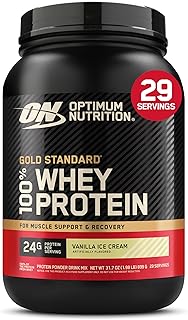 |
| Premier Protein Powder, Chocolate Milkshake, 29 servings | $25.97 | 4.6 |  |
| Premier Protein Powder, Vanilla Milkshake, 17 servings | $31.60 | 4.6 |  |
| Dymatize ISO 100 Whey Protein Powder, Vanilla, 5 lb | $108.99 | 4.7 |  |
| Transparent Labs Grass-Fed Whey Protein Isolate, French Vanilla, 30 servings | $59.99 | 4.5 |  |
| Body Fortress Super Advanced Whey Protein Powder, Vanilla, 3.9 lb | $45.28 | 4.6 |  |
| Six Star Whey Protein Powder Plus, Triple Chocolate, 1.82 lb | $24.97 | 4.5 |  |
| Isopure Zero Carb 100% Pure Whey Isolate, Unflavored, 3 lb | $89.95 | 4.4 |  |
| Dymatize Elite 100% Whey Protein Powder, Rich Chocolate, 5 lb | $76.18 | 4.6 |  |
| Dymatize x Fruity Pebbles ISO100, 20 servings | $42.48 | 4.6 |  |
| Dymatize Super Mass Gainer, Gourmet Vanilla, 8 servings | $39.98 | 4.5 |  |
| Levels Grass Fed Whey Protein Powder, Pure Chocolate, 2 lb | $44.99 | 4.5 |  |
| Naked Whey Vanilla Protein Powder, 24 servings | $44.99 | 4.1 |  |
| Nutricost Whey Protein Concentrate, Chocolate, 5 lb | $74.95 | 4.5 |  |
Plant-Based & Specialty Protein Powders
| Product | Price | Rating | Image & Link |
|---|---|---|---|
| Orgain Organic Vegan Protein Powder, Vanilla Bean, 2.03 lb | $31.52 | 4.5 |  |
| Orgain Organic Vegan Protein + 50 Superfoods, Vanilla Bean, 2.02 lb | $34.15 | 4.6 |  |
| Orgain Organic Unflavored Vegan Protein Powder, 1.59 lb | $26.99 | 4.3 |  |
| Vital Proteins Collagen Peptides Powder, Unflavored, 9.33 oz | $18.65 | 4.6 |  |
Frequently Asked Questions
How long does it take to break a bad habit with environmental design?
The average time is 66 days, according to a study from University College London. However, environmental changes can accelerate this because you remove the triggers. Many people notice a shift within two weeks.
Can I use environmental design for habits other than eating?
Absolutely. It works for any behavior—screen time, procrastination, exercise, even relationships. The same principles apply: make the unwanted action harder and the desired action easier.
Do I need to change my entire environment at once?
No. Start with small, high‑impact changes. Focus on one habit at a time. For example, if your bad habit is late‑night snacking, just rearrange your kitchen counters first.
What if I live with people who don’t share my goals?
You can still control your own space. Designate a shelf or drawer for your good‑habit items. Have an honest conversation about shared spaces (e.g., “Can we keep the snack drawer in the pantry instead of on the counter?”).
Will protein powder alone stop my bad habits?
Protein powder is a tool, not a solution. Use it as a replacement for a less healthy snack. Combined with environmental design, it becomes a powerful ally in habit change.