
Stopping a bad habit feels like an endless battle. You set goals, you try to resist temptation, and you fall back into the same cycle. The problem isn’t your willpower – it’s your identity. The most powerful way to change a habit permanently is to shift who you believe you are. Instead of focusing on what you want to achieve, focus on who you want to become. This is the identity-based method, and it works because it rewires your self-image at the deepest level.
Take a common example: you want to stop snacking on junk food. The typical approach is to say, “I will stop eating chips.” But that goal is fragile. The identity-based approach says, “I am a person who fuels my body with clean nutrition.” Suddenly, reaching for a bag of chips feels like a betrayal of your new self. One practical tool to reinforce that identity is replacing a poor snack with a high-quality protein powder like Optimum Nutrition Gold Standard 100% Whey Protein Powder, Double Rich Chocolate. That simple swap becomes a daily ritual that says, “I am someone who prioritizes health.”
Table of Contents
Understanding the Identity-Based Model
The identity-based method is rooted in the work of behavior change experts like James Clear. It flips the traditional approach on its head. Instead of setting outcome-based goals (e.g., “lose 10 pounds” or “stop smoking”), you focus on the type of person you want to become. Habits are then the evidence of that new identity.
How it works:
- Identity drives behavior. When you believe you are a certain kind of person, your actions naturally align with that belief.
- Small wins create proof. Every time you act in line with your new identity, you reinforce it.
- Habits become automatic. You stop relying on motivation because the behavior is now part of who you are.
For example, a person who says “I am a runner” will lace up their shoes even on rainy days. A person who says “I am a healthy eater” will choose a protein-packed smoothie over a sugary latte. The identity comes first; the actions follow.
Why Willpower and Goals Fail
Most people try to stop bad habits using sheer willpower. They set ambitious goals, make resolutions, and then wonder why they crumble after a few weeks. The reason is simple: willpower is a finite resource. When you rely on it, you’re fighting against your current identity. You’re essentially saying, “I am a smoker, but I won’t smoke today.” That internal conflict is exhausting.
Research shows that habits are stored in the basal ganglia, a part of the brain that operates below conscious thought. To change a habit permanently, you must work with your brain’s reward system, not against it.
The real problem:
- Goals create a temporary shift in results, not in the person.
- Willpower depletes, especially under stress or fatigue.
- The old identity remains intact, waiting to resurface.
How to Shift Your Identity: A Step-by-Step Framework
You don’t have to overhaul your entire personality overnight. Identity shifts happen one small decision at a time. Here’s a practical process to apply the identity-based method to any bad habit.
Step 1: Decide the Kind of Person You Want to Become
Get clear on your ideal identity. Instead of “I want to stop eating sugar,” frame it as “I am a person who nourishes my body with whole foods.” Write it down. Say it out loud. Make it specific and positive.
Examples:
| Problem Habit | Current Identity | New Identity |
|---|---|---|
| Mindless scrolling on social media | “I am a person who wastes time” | “I am a focused, intentional person” |
| Skipping workouts | “I am not an exercise person” | “I am someone who values movement” |
| Emotional eating | “I eat to comfort myself” | “I am a mindful eater who copes with other tools” |
Step 2: Collect Evidence for Your New Identity
You need proof that your new identity is real. Start with tiny actions that align with it. If your new identity is “I am a healthy person,” begin by drinking a protein shake each morning instead of a sugary breakfast bar. That single action – just one scoop of Premier Protein Powder, Chocolate Milkshake – becomes a vote for your new self.
Tip: Focus on frequency, not perfection. One small win is enough to shift your belief.
Step 3: Create Systems That Reinforce Your Identity
Your environment is the silent partner in habit change. Design your surroundings to make the new identity easy and the old habit hard. If you want to stop late-night snacking, don’t keep junk food in the house. Keep pre-portioned protein powder and a shaker bottle on your counter instead.
System ideas:
- Visual cues: Place your protein powder next to your coffee maker.
- Automation: Set a daily reminder to drink a protein shake at 10 AM.
- Accountability: Tell a friend “I am now someone who prioritizes protein intake.”
This is a perfect moment to check out our guide on Environmental Design to Break Bad Habits Forever for a deeper dive into shaping your physical space.
Step 4: Repeat New Behaviors Until They Stick
Repetition is the mother of identity change. Every time you act in alignment with your new identity, you strengthen the neural pathway. The more you do it, the easier it becomes. Eventually, the old habit feels foreign, and the new habit feels like the only natural choice.
Practical Application: Breaking a Bad Habit Using Protein Powder
Let’s apply this method to a specific scenario: stopping the habit of late-night sugar cravings. Many people reach for cookies, ice cream, or candy after dinner. The identity-based approach gives you a powerful alternative.
Before: You believe “I am someone who craves sweets at night.”
After: You decide “I am someone who ends my day with clean protein.”
Replace your nightly dessert with a protein shake made from Orgain Organic Vegan Protein Powder, Vanilla Bean. This plant-based option contains 21g of protein and no added sugar, satisfying your body’s need for a satisfying end to the day without the crash.
Why this works:
- The ritual of making a shake replaces the ritual of grabbing sweets.
- The protein helps stabilize blood sugar, reducing cravings.
- Every shake is a vote for your new identity: “I am a disciplined, health-conscious person.”
The Role of Replacement in Identity Change
It’s almost impossible to simply “stop” a bad habit. The brain needs something to fill the void. That’s why the identity-based method pairs perfectly with replacement. Instead of focusing on what you’re giving up, focus on what you’re gaining.
If you want to stop eating junk food, replace it with a high-protein option like Dymatize ISO 100 Whey Protein Powder, Vanilla 5 Pound. The 25g of hydrolyzed whey isolate is quickly absorbed, curbing hunger and supporting muscle recovery – two benefits that reinforce your new identity as an active, health-focused person.
Key replacement principles:
- The new behavior should satisfy the same cue (e.g., time of day, emotional state).
- The new behavior should be easier to perform than the old one.
- The new behavior should provide a small, immediate reward.
For a complete breakdown of how to swap habits, read our sister article How to Stop a Bad Habit by Replacing It with a Better One? .
Top Protein Powders to Support Your Identity-Based Habit Change
Using protein powder is one of the simplest ways to reinforce a positive identity. Below are top-rated options that can help you start your day or replace a poor snack. Each product is linked for easy purchase.

Optimum Nutrition Gold Standard 100% Whey Protein Powder, Double Rich Chocolate – $44.99 – Rating 4.6 – Classic, fast-absorbing whey for post-workout or meal replacement.

Optimum Nutrition Gold Standard 100% Whey Protein Powder, Vanilla Ice Cream, 5lb – $79.99 – Rating 4.7 – Larger tub for consistent use.
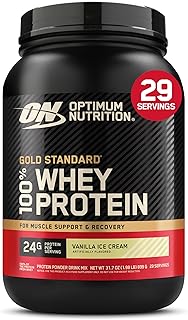
Optimum Nutrition Gold Standard 100% Whey Protein Powder, Vanilla Ice Cream, 2lb – $44.99 – Rating 4.7 – Travel-friendly size.

Premier Protein Powder, Chocolate Milkshake (41.9oz) – $25.97 – Rating 4.6 – 30g protein, 1g sugar, gluten-free.

Orgain Organic Vegan Protein Powder, Vanilla Bean – $31.52 – Rating 4.5 – Plant-based, 21g protein, prebiotic fiber.

Dymatize ISO 100 Whey Protein Powder, Vanilla 5lb – $108.99 – Rating 4.7 – Hydrolyzed isolate for fast digestion.

Premier Protein Powder, Vanilla Milkshake (23.3oz) – $31.60 – Rating 4.6 – Keto-friendly, 30g protein.

Transparent Labs Grass-Fed Whey Protein Isolate, French Vanilla – $59.99 – Rating 4.5 – 28g protein, naturally flavored.

Body Fortress Super Advanced Whey Protein Powder, Vanilla (3.9lb) – $45.28 – Rating 4.6 – Immune support with vitamins C, D, zinc.

Six Star Whey Protein Powder Plus, Triple Chocolate (1.82lb) – $24.97 – Rating 4.5 – Affordable isolate blend.

Isopure Zero Carb 100% Pure Whey Isolate Protein Powder, Unflavored (3lb) – $89.95 – Rating 4.4 – No carbs, 25g protein per serving.

Dymatize Elite 100% Whey Protein Powder, Rich Chocolate (5lb) – $76.18 – Rating 4.6 – 25g protein, BCAAs.
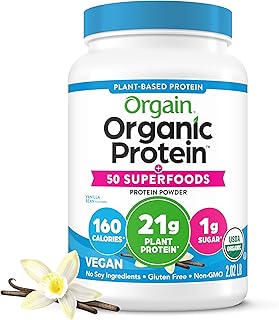
Orgain Organic Vegan Protein + 50 Superfoods Powder, Vanilla Bean – $34.15 – Rating 4.6 – 21g protein, prebiotic fiber.

Dymatize x Fruity Pebbles ISO100 Whey Protein Powder Isolate – $42.48 – Rating 4.6 – Fun flavor, 25g protein.

Dymatize Super Mass Gainer Protein Powder, Gourmet Vanilla – $39.98 – Rating 4.5 – High-calorie gainer with 52g protein.

Levels Grass Fed Whey Protein Powder, Pure Chocolate (2lb) – $44.99 – Rating 4.5 – No artificial ingredients.

Vital Proteins Collagen Peptides Powder, Unflavored (9.33oz) – $18.65 – Rating 4.6 – Supports skin, hair, and joints.

NAKED Whey Vanilla Protein Powder – $44.99 – Rating 4.1 – Only 3 ingredients, grass-fed.

Nutricost Whey Protein Concentrate (Chocolate) 5lb – $74.95 – Rating 4.5 – Budget-friendly bulk option.

Orgain Organic Unflavored Vegan Protein Powder – $26.99 – Rating 4.3 – Unsweetened, 21g plant protein.
Frequently Asked Questions
How long does it take to change your identity?
There’s no fixed timeline, but research suggests that repeating a behavior for 60–90 days can solidify a new self-perception. The key is consistency, not speed. Every small action adds another piece of evidence that you are the new person.
Can the identity-based method work for addiction?
For serious addictions, professional help is essential. However, the identity-based method can be a powerful complement. Replacing an addictive behavior with a healthier ritual (like a protein shake) can help rewire the brain’s reward system while you seek clinical support.
Do I need to use protein powder to change my eating habits?
No, but it’s an excellent tool because it’s quick, convenient, and nutrient-dense. The method works with any replacement that aligns with your desired identity. If you prefer whole foods, that’s fine. The core principle is to act like the person you want to become.
How do I handle a relapse?
Relapse does not erase your identity. One mistake is just a data point, not a definition. Remind yourself: “I am still a healthy person who had a slip.” Then return to your new rituals immediately. The identity is stronger than a single failure.
The identity-based method is not a quick fix. It’s a deep, lasting transformation that starts with a single belief: you are capable of change. By focusing on who you want to become, you stop fighting against your old self and start building the person you admire. Every protein shake, every mindful choice, every small victory is a brick in that new foundation. You don’t have to be perfect – you just have to start believing.