
When you start a weight loss journey, one of the first pieces of advice you hear is "cut out sugar." But is sugar truly more damaging than an equal number of calories from, say, bread or olive oil? It’s a question that sparks debate among nutrition experts and beginners alike.
The short answer is: not all calories are created equal, and sugar does have unique effects on your body that can make weight loss harder. But that doesn’t mean you need to fear every gram of sugar. Let’s break down the science in a balanced, beginner-friendly way.
Table of Contents
Understanding Calories: The Basics
A calorie is simply a unit of energy. Whether you eat 100 calories of sugar or 100 calories of broccoli, your body uses that energy for fuel.
However, the way your body processes these calories differs dramatically. Calories from whole foods come packaged with fiber, protein, vitamins, and minerals that slow digestion and keep you satisfied. Sugar, especially in its refined form, enters your bloodstream rapidly, triggering a cascade of hormonal responses that can sabotage your weight loss efforts.
So while a calorie is technically a calorie, the metabolic context matters immensely.
Why Sugar Gets a Bad Reputation
Sugar has been singled out for good reason. High intake of added sugars is linked to:
- Increased fat storage – Excess fructose (a component of table sugar) is converted to fat in the liver more readily than other carbs.
- Insulin spikes – High sugar intake causes your pancreas to release large amounts of insulin, a hormone that promotes fat storage.
- Cravings and overeating – Sugar activates reward centers in the brain, similar to addictive substances, leading to a cycle of craving and consumption.
But here’s the nuance: not all sugar is the same. The sugar naturally found in fruit comes with fiber and water, which blunts its impact. The real problem is added sugar in sodas, candies, and processed snacks.
The Metabolic Response to Sugar vs. Other Carbs
Let’s compare 150 calories from a can of soda versus 150 calories from a baked potato.
| Food | Calories | Fiber | Glycemic Load | Satiety |
|---|---|---|---|---|
| Soda (12 oz) | 140 | 0g | High | Very low |
| Baked potato (medium) | 150 | 4g | Moderate | High |
The soda floods your bloodstream with sugar, causing a rapid insulin spike. The potato, with its fiber and complex starches, releases glucose more slowly. This difference is why sugar calories are often called "empty calories" – they provide energy but little nutrition and minimal satiety.
Over time, frequent insulin spikes can lead to insulin resistance, making it harder for your cells to use glucose for energy and easier for your body to store fat.
Does Sugar Make You Store More Fat?
The short answer is yes – but only in the context of a calorie surplus. If you eat more calories than you burn, sugar is particularly efficient at being converted to fat via a process called de novo lipogenesis.
Fructose, in particular, bypasses the normal regulation of appetite and energy balance. It directly stimulates fat production in the liver and increases levels of triglycerides in your blood.
However, if you eat sugar within your daily calorie needs, most of it will be burned for energy rather than stored. The real issue is that sugar makes it very easy to overeat because it doesn’t trigger the same fullness signals as protein or fiber.
The Role of Insulin and Cravings
Insulin is your body’s primary fat-storage hormone. When you eat sugar, insulin rises to shuttle glucose into cells. But high insulin also:
- Blocks the breakdown of stored fat
- Promotes fat storage in adipose tissue
- Triggers hunger as blood sugar drops after the spike
This roller coaster of high and low blood sugar can make you feel hungry again soon after eating, leading to more snacking. Over weeks and months, this pattern can derail weight loss.
To break the cycle, some people turn to supplements that help stabilize blood sugar or support metabolism. For example, Nature's Bounty Chromium Picolinate supports fat, protein, and sugar metabolism, helping your body process carbohydrates more efficiently. It’s an affordable (priced at $7.49) and well-reviewed option for those wanting to support healthy blood sugar levels.

Practical Tips for Reducing Sugar (Without Obsession)
You don’t need to eliminate sugar entirely to lose weight. A balanced approach works best.
- Focus on whole foods first. Eat fruits, vegetables, lean proteins, and whole grains. These naturally keep sugar intake in check.
- Replace sugary drinks. Swap soda and sweetened teas for water, sparkling water, or unsweetened herbal tea. This one change can save 200–300 calories a day.
- Read labels. Added sugar hides in ketchup, salad dressings, and even protein bars. Aim for <25 grams of added sugar per day for women, <36 grams for men.
- Don’t fear natural sugars. An apple or a handful of berries is fine. The fiber and antioxidants outweigh any negatives.
If you need extra support, consider a quality supplement or tool. The ZELUS Weighted Vest (priced at $28.98, rated 4.6 stars) can boost the calorie burn of your walks or workouts, helping you create a calorie deficit without cutting more sugar.

Supplements and Tools to Support Your Weight Loss Journey
While a healthy diet is the foundation, certain products can give you an edge. Here are a few from our selected list:
- OLLY Metabolism Gummy Rings – Contain apple cider vinegar, vitamin B12, and chromium to support energy and digestion. ($16.97, 4.3 stars)
- Premium Liquid Collagen – Combines collagen with L-carnitine and apple cider vinegar for metabolic and beauty benefits. ($26.95, 4.4 stars)
- Purely Inspired 7-Day Detox Cleanse – A gentle cleanse with senna leaf and probiotics to support digestion. ($9.99, 4.2 stars)
- Thermogenic Fat Burner Brazilian Lean – Contains thermogenic ingredients to help increase calorie burn. ($9.99, 4.1 stars)
- alli Weight Loss Diet Pills – Clinically proven orlistat that blocks fat absorption. ($65.99, 4.2 stars)
- Phendimetrazine, Zepbound, and Contrave – Prescription options for more advanced needs (available through Amazon Pharmacy).
For a quick overview, here’s a comparison of some popular choices:
Comparing Popular Weight Loss Aids
| Product | Price | Rating | Key Feature | Buy at Amazon |
|---|---|---|---|---|
| alli 60 mg (120 ct) | $65.99 | 4.2 | Blocks fat absorption |  |
| OLLY Metabolism Gummies | $16.97 | 4.3 | Apple cider vinegar + B12 | 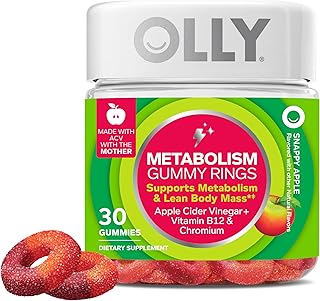 |
| Nature's Bounty Chromium | $7.49 | 4.5 | Supports sugar metabolism | |
| Premium Liquid Collagen | $26.95 | 4.4 | Collagen + L-carnitine |  |
| ZELUS Weighted Vest (12lb) | $28.98 | 4.6 | Increases workout intensity |  |
| Brazilian Lean Thermogenic | $9.99 | 4.1 | Fat burner for women |  |
Prices and ratings as of writing. Always consult a healthcare provider before starting any supplement.
Final Verdict: Is Sugar Worse?
Yes, but with context. Sugar calories are worse than an equal number of calories from protein, fiber-rich carbs, or healthy fats because they:
- Spike insulin and blood sugar
- Lack satiety, making overeating easy
- Contribute to fatty liver and insulin resistance when consumed in excess
- Trigger reward-driven eating, similar to addictive substances
But demonizing sugar entirely is not productive. A small amount of sugar (like a teaspoon in your coffee or a square of dark chocolate) will not ruin your weight loss. What matters is the overall quality of your diet and your total calorie balance.
If you choose to reduce sugar, do so gradually. Replace sugary snacks with high-protein options, drink more water, and consider using supportive tools like weighted vests or metabolism supplements to keep your progress rolling.
The best approach is balance, not elimination. Your body can handle a reasonable amount of sugar – just make sure the bulk of your calories come from nourishing, whole foods.
Frequently Asked Questions
Q: Will cutting sugar automatically make me lose weight?
A: Not automatically. Weight loss requires a calorie deficit. Cutting sugar helps create that deficit because sugary foods are calorie-dense and un-satiating. But if you replace them with other high-calorie foods, you won’t lose weight.
Q: Is fruit sugar bad for weight loss?
A: No. Whole fruit contains fiber, water, and nutrients that slow digestion and keep you full. The sugar in fruit is natural and far less harmful than added sugar. Eat fruit freely as part of a balanced diet.
Q: How much added sugar is okay per day?
A: The American Heart Association recommends no more than 25 grams (6 teaspoons) for women and 36 grams (9 teaspoons) for men. Most Americans consume far more.
Q: Can supplements like chromium really help with sugar cravings?
A: Some studies suggest chromium picolinate may help reduce cravings and improve blood sugar control, especially in people with insulin resistance. It’s not a magic bullet, but it can be a useful addition to a healthy lifestyle.
Q: Should I try a prescription weight loss medication like Zepbound or Contrave?
A: These are options for people with obesity or weight-related health conditions. They can be effective but require a doctor’s supervision. You can explore them through Amazon Pharmacy if you have a prescription.