
You’ve heard it a thousand times: “Eat six small meals a day to stoke your metabolism and burn more fat.” It sounds logical, but is it true? If you’re just starting your fat‑loss journey, this advice can feel overwhelming. The truth is simpler — and more liberating.
In this evidence‑based guide, we’ll break down the science behind meal frequency, give you practical steps for your first weeks, and show you how to build a sustainable routine. Along the way, we’ll look at tools that can support your journey — like alli Weight Loss Diet Pills, a non‑prescription aid that blocks dietary fat absorption.

Table of Contents
The Origin of the Meal Frequency Myth
The “grazing” theory gained popularity in the 1990s. The idea was that eating often keeps your metabolism humming because digesting food burns calories (the thermic effect of food). More meals = more calorie burn, right?
Not exactly. While the thermic effect of food does increase after each meal, the total effect over 24 hours is the same whether you eat three or six meals. A 2013 meta‑analysis in the British Journal of Nutrition found no significant difference in fat loss when comparing higher vs. lower meal frequencies, provided total calorie intake was matched.
For beginners, the myth creates unnecessary complexity. You might end up obsessing over clock times instead of focusing on what matters: a consistent calorie deficit and nutrient‑dense foods.
What the Science Really Says
Let’s look at what the evidence shows for fat loss and meal frequency.
- Total calories rule. Your body burns fat when you consume fewer calories than you burn. Meal timing doesn’t override a calorie surplus.
- Thermic effect is proportional. Eating 2000 kcal in two meals vs. six meals produces the same total thermogenesis.
- Appetite management varies. Some people feel less hungry with larger, infrequent meals; others prefer small, frequent snacks. There’s no universal “best” pattern.
A 2017 study in Obesity compared two groups: one ate three meals a day, the other ate six meals. After eight weeks, both groups lost similar amounts of weight. The key factor was adherence — participants who stuck with their plan lost more.
For beginners, the message is clear: find a meal pattern you can sustain. If you hate cooking five lunches, don’t force it. If you get shaky after four hours without food, don’t starve yourself.
How Many Meals Should Beginners Eat?
1. Start with what feels natural
Most beginners do well with three moderate meals plus optional snacks. This is simple to log, prepare, and doesn’t require constant eating. If you’re active or have a high appetite, add a fourth meal or a protein‑rich snack.
2. Prioritize protein and fiber
Regardless of meal count, include protein (25‑35g per meal) and fiber (vegetables, legumes). These nutrients improve satiety and preserve muscle during fat loss. A meal plan with 4 meals might look like:
- Breakfast: eggs + spinach + oats
- Lunch: chicken salad with quinoa
- Afternoon snack: Greek yogurt + berries
- Dinner: salmon + broccoli + sweet potato
3. Don’t fear intermittent fasting
Some people use time‑restricted feeding (e.g., 16:8) with great success. It’s not magic — it just helps some control total calories. If skipping breakfast makes you binge later, it’s not for you. If it simplifies your day, it’s a legitimate tool.
4. Use tools that support adherence
Weight loss is a personal journey. If you need extra help managing cravings or metabolism, certain supplements can complement your routine. For instance, Nature’s Bounty Chromium Picolinate (800 mcg, 50 tablets) helps metabolize carbs and may reduce sugar cravings.

Supporting Your Fat Loss Journey: Products That Can Help
While meal frequency is only one piece, the right tools make the process easier. Below is a comparison of popular, well‑rated fat‑loss supports available on Amazon.
| Product | Price | Rating | Key Feature | Buy at Amazon |
|---|---|---|---|---|
 alli 60 mg Capsules, 120 Count alli 60 mg Capsules, 120 Count |
$65.99 | 4.2 / 5 (28,600 reviews) | Blocks dietary fat absorption – non‑prescription | Buy Now |
 Nature's Bounty Chromium 800 mcg, 50 tablets Nature's Bounty Chromium 800 mcg, 50 tablets |
$7.49 | 4.5 / 5 (8,600 reviews) | Supports sugar & fat metabolism, mineral supplement | Buy Now |
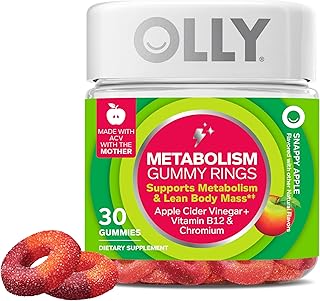 OLLY Metabolism Gummy Rings, 30 count OLLY Metabolism Gummy Rings, 30 count |
$16.97 | 4.3 / 5 (7,100 reviews) | Apple cider vinegar + B12 + chromium, chewable | Buy Now |
 Brazilian Lean Thermogenic, 60 capsules Brazilian Lean Thermogenic, 60 capsules |
$9.99 | 4.1 / 5 (5,000 reviews) | Thermogenic fat burner, also helps with bloating | Buy Now |
Note: Always consult a healthcare provider before starting any supplement, especially if you have medical conditions or take medications.
Additional Considerations for Beginners
-
Exercise matters more than meal timing. Even a simple walk accelerates fat loss. A ZELUS Weighted Vest (choose 6–30 lbs) adds resistance to your cardio and strength training, boosting calorie burn.
-
Hydration and sleep are underrated. Poor sleep increases hunger hormones; dehydration slows metabolism.
-
Be patient. Fat loss takes weeks, not days. Consistency beats perfection.
Frequently Asked Questions
Q: Is it better to eat 3 large meals or 6 small ones for fat loss?
A: Neither is inherently better. The total number of calories you eat per day is the strongest predictor of fat loss. Choose a pattern that fits your lifestyle and keeps you feeling satisfied.
Q: Can I skip breakfast to lose weight faster?
A: It depends. Some people naturally eat less later in the day and benefit from intermittent fasting. Others overcompensate at lunch. Test both approaches for two weeks and track your hunger and energy.
Q: Should beginners count every meal?
A: At first, it helps to track calories or at least portion sizes. Use a simple app or food scale for 1–2 weeks to learn what “a serving” looks like. After that, you can eyeball portions more accurately.
Q: Do supplements like alli or chromium replace diet and exercise?
A: No. Supplements are aids, not shortcuts. For best results, combine them with a balanced diet and regular physical activity. alli works by blocking about 25% of dietary fat, but you still need a calorie deficit.
Q: What is the best meal frequency for someone with no cooking time?
A: Try two larger meals (lunch and dinner) plus a protein shake or snack. Prep ingredients in bulk on weekends. Meal frequency is flexible — just hit your protein and fiber goals.
Your First Step: Let Go of the Myth
The meal frequency myth promises an easy metabolic hack, but the real work lies in habits you can maintain. For beginners, the most effective schedule is the one you’ll stick with — whether that’s three square meals or five small plates.
Focus on whole foods, a slight calorie deficit, and consistent activity. If you need extra support, consider an evidence‑based product like OLLY Metabolism Gummy Rings to give your metabolism a gentle nudge.
You’ve got this. Start simple, stay patient, and let the results speak for themselves.