
The bathroom scale is a liar. It can’t tell you whether you lost fat, muscle, or just water weight. If you’re serious about weight loss and personal development, you need to track what actually changes — your body composition. This article will show you how to measure body composition at home like a pro and which progress signals are worth chasing.
Table of Contents
Why Body Composition Outranks the Scale
When you step on a standard scale, you see total mass. But your body is a mix of fat, muscle, bone, and water. Losing muscle while dropping fat is not a win — it slows your metabolism and makes you weaker. Tracking body composition helps you see if you’re preserving muscle while burning fat, which is the real goal for sustainable weight loss.
The scale might show you lost 5 pounds, but if 3 of those pounds were muscle, your resting metabolism drops. That’s why many people plateau or regain weight quickly. Measuring body composition at home shifts your focus from a number to your overall health.
The Easiest At-Home Methods
You don’t need a lab. Here are practical ways to measure body composition from your living room:
1. Measuring Tape (Best for Consistency)
A simple cloth tape measure is incredibly powerful. Measure your waist, hips, chest, arms, and thighs at the same time each week. Waist circumference is a strong indicator of visceral fat — the dangerous fat around your organs. A shrinking waist while your weight stays stable often means you’re gaining muscle and losing fat.
2. Bioelectrical Impedance Scales (Smart Scales)
These scales send a tiny electrical current through your body to estimate body fat and muscle mass. They aren’t perfectly accurate, but they are excellent for tracking trends. Use them first thing in the morning after using the bathroom, before eating or drinking, for the most consistent readings.
3. Skinfold Calipers
With a little practice, calipers give you a direct measurement of subcutaneous fat at specific sites. They’re cheap and reliable if you follow the same procedure each time. Most people use the three-site or seven-site formula.
4. Progress Photos (Underrated)
Sometimes the best tool is a photo. Take front, side, and back photos in the same lighting and clothing every two weeks. Visual changes often appear before the numbers move. Your brain is great at spotting differences — use that to your advantage.
What Changes Actually Matter?
Not all data is useful. Focus on these three signals:
- Body fat percentage: A slow, steady drop (0.5–1% per month) is realistic.
- Muscle mass: If it stays the same or increases while fat drops, you’re winning.
- Waist circumference: This is the most actionable metric. Losing an inch from your waist correlates strongly with reduced health risks.
Ignore daily fluctuations from water retention, salt intake, or hormone cycles. Look at weekly averages and trends over 4–6 weeks.
Tools and Supplements That Support Your Journey
While tracking is essential, the right tools can amplify your results. Here are some products that many people use alongside body composition tracking:
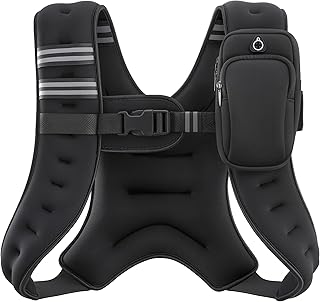
ZELUS Weighted Vest — Wearing a weighted vest during walks or bodyweight exercises helps build muscle while you cut calories. This preserves lean mass, which is key for keeping your metabolism high. Rated 4.6 stars, it’s a favorite for home workouts.
OLLY Metabolism Gummy Rings — These apple cider vinegar gummies include chromium and vitamin B12 to support energy and metabolism. Many people use them as a convenient way to boost their nutritional support during weight loss.
alli Weight Loss Pills — Orlistat blocks some of the fat you eat from being absorbed. It’s the only FDA-approved over-the-counter weight loss aid. Combined with body composition tracking, you can see if fat loss accelerates.
Nature's Bounty Chromium Picolinate — Chromium helps metabolize fat, protein, and carbs. For $7.49, it’s a budget-friendly mineral supplement that supports your body’s natural processes.
Comparison Table: Top Weight Loss Support Products
Here’s how a few popular options stack up:
| Product | Price | Rating | Key Benefits | Buy at Amazon |
|---|---|---|---|---|
 |
$65.99 | 4.2 | Blocks dietary fat absorption, FDA-approved | Buy alli |
 |
$16.97 | 4.3 | ACV + chromium + B12, easy gummy format | Buy OLLY |
 |
$7.49 | 4.5 | Supports macro metabolism, affordable | Buy Chromium |
 |
$9.99 | 4.1 | Thermogenic fat burner, waist trimmer | Buy Brazilian Lean |
How to Use These Tools Together
Pick one measurement method (tape + scale + photo) and stick with it for 8 weeks. Track weekly. If you add a supplement like alli or OLLY, note any changes in fat loss rate. Remember: supplements support, not replace, consistent nutrition and movement.
Common Mistakes When Measuring at Home
- Measuring at different times of day — Always measure in the morning, after the bathroom, before food.
- Using inconsistent landmarks — For waist, measure at the belly button. For hips, widest part.
- Obsessing over daily numbers — Weight can fluctuate 2–4 pounds in a day. Look at 7-day averages.
- Ignoring non-scale victories — Clothes fitting better, more energy, better sleep. These are progress too.
FAQs About Measuring Body Composition at Home
How often should I measure body fat percentage?
Once per week is plenty. More often leads to noise and anxiety. Consistency is king — same day, same time, same hydration level.
What is the most accurate method at home?
DEXA scans are the gold standard, but not at-home. For home use, skinfold calipers done by the same person give the most reliable trend data. Smart scales are next best for convenience.
Can I gain muscle while losing fat?
Yes, especially if you are new to resistance training or returning after a break. The scale may not move much, but your waist will shrink and strength will increase. That’s a win.
Should I use prescription weight loss drugs?
Some people may benefit from medications like Zepbound, Contrave, or Phendimetrazine. These require a prescription and should be discussed with your doctor. Body composition tracking is still valuable if you choose this route.
Final Thought: Focus on the Trend, Not the Number
Measuring body composition at home gives you power. You stop being a slave to the scale and start understanding your body’s real changes. Pair it with consistent habits, supportive tools like a weighted vest or metabolism booster, and you’ll see progress that actually lasts.
Track smart. Trust the process. The changes that matter are the ones you can feel and see, not just the ones on a screen.