
When it comes to weight loss, the gap between intention and results often comes down to one thing: what you track. Most people measure everything — daily weigh‑ins, calorie counts, step totals — and end up overwhelmed, discouraged, or stuck.
But here’s the truth: not all data is useful. Some habits are worth measuring because they drive real progress. Others are simply noise that steals your motivation.
If you’ve been tracking without seeing the needle move, it’s time to stop guessing. Let’s look at what to measure, what to ignore, and how the right tools — like the ZELUS Weighted Vest — can turn tracking into a real‑world advantage.
Table of Contents
Why Habit Tracking Matters for Weight Loss
Tracking creates awareness. When you measure a specific behavior, you naturally become more consistent. That’s the core of behavior change: small, repeated actions that build momentum.
But tracking the wrong thing can send you in circles. The scale goes up, you feel defeated, then you abandon the plan. The real secret is measuring the process, not just the outcome.
The Difference Between Process and Outcome
- Outcome metrics: weight, body fat percentage, dress size. These change slowly and are affected by water, hormones, and time of day.
- Process metrics: number of workouts, servings of vegetables, hours of sleep, water intake. These you control every day.
When you focus on process, results follow. The scale becomes a lagging indicator, not the dictator of your mood.
What to Measure: The Four Key Habits That Drive Weight Loss
Not all habits are equal. These four areas have the highest ROI for sustainable weight loss. Track them consistently, and you’ll see the payoff.
1. Consistency, Not Perfection
One missed workout doesn’t ruin your progress. But three missed workouts in a row? That starts a pattern.
Track: How many days you hit your minimum action (e.g., a 20‑minute walk, one healthy meal). Use a simple streak counter or calendar.
Why it works: Consistency beats intensity. A 80% adherence rate over three months outperforms a 100% rate for two weeks followed by burnout.
2. Food Quality, Not Just Calories
A calorie is not just a calorie. 200 calories from almonds and 200 from soda affect your body differently — hunger hormones, energy, and fat storage.
Track: Servings of vegetables, protein intake, or number of whole foods eaten. You can also use a simple traffic‑light system:
- Green: vegetables, lean protein, whole grains
- Yellow: moderate portions of healthy fats, fruits
- Red: processed foods, added sugars
3. Movement Diversity
Walking is great. But your body adapts quickly. To keep losing weight, you need progressive overload and varied movement.
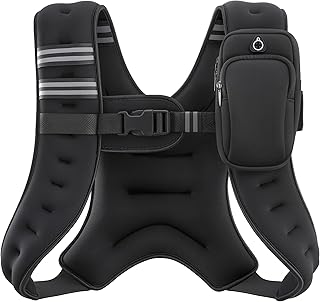
Track: Number of strength workouts per week, total steps, or minutes of elevated heart rate. A tool like the ZELUS Weighted Vest (rated 4.6 stars, $28.98) adds resistance to your walks or bodyweight exercises without extra time.
4. Sleep and Stress
Cortisol (stress hormone) promotes fat storage, especially around the belly. Poor sleep disrupts hunger hormones ghrelin and leptin.
Track: Hours of sleep per night, stress level rating (1–10), or number of nights with 7+ hours.
What to Ignore: Three Metrics That Sabotage Progress
Now the hard part: what to stop measuring. These three common metrics do more harm than good.
1. Daily Weight Fluctuations
Your weight can swing 2–4 pounds in a single day due to water, salt, and glycogen. That’s not fat loss or gain.
Ignore: Daily weigh‑ins. If you must use the scale, do it once a week at the same time, same day. Better yet, focus on how your clothes fit and how your energy feels.
2. Perfect Calorie Counting
Even the best calorie databases are off by 20–30%. And stress from obsessive counting can backfire by raising cortisol.
Ignore: Trying to hit an exact number. Instead, measure portion sizes with your hand: a palm of protein, a fist of veggies, a cupped hand of carbs.
3. Comparison to Others
Social media “transformation” photos are curated, often filtered, and rarely show the full story (lighting, posture, water loss).
Ignore: Anyone else’s timeline. Your body is unique. Compare only to your own past behavior.
Tools and Supplements That Support Your Habits
Tracking habits is easier when you have the right support. These products can help fill nutrient gaps or enhance your routine. Below is a comparison of some popular options.
| Product | Price | Rating | Key Benefit | Buy at Amazon |
|---|---|---|---|---|
 alli Weight Loss Diet Pills alli Weight Loss Diet Pills |
$65.99 | 4.2 | Blocks dietary fat absorption | Buy on Amazon |
 Nature's Bounty Chromium Picolinate Nature's Bounty Chromium Picolinate |
$7.49 | 4.5 | Supports sugar metabolism | Buy on Amazon |
 OLLY Metabolism Gummy Rings OLLY Metabolism Gummy Rings |
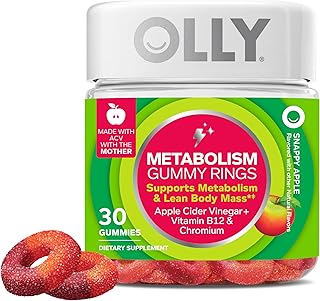
$16.97 | 4.3 | Apple cider vinegar + B12, digest support | Buy on Amazon |
 Premium Liquid Collagen Premium Liquid Collagen |
$26.95 | 4.4 | Collagen + L‑Carnitine for fat metabolism | Buy on Amazon |
 Purely Inspired 7-Day Detox Cleanse Purely Inspired 7-Day Detox Cleanse |
$9.99 | 4.2 | Whole body cleanse with probiotics | Buy on Amazon |
 Thermogenic Fat Burner Brazilian Lean Thermogenic Fat Burner Brazilian Lean |
$9.99 | 4.1 | Thermogenic + bloating support | Buy on Amazon |
Important note: Non‑prescription supplements work best when paired with consistent habits. They are not magic pills. For some, prescription options like Phendimetrazine ($4.00), Zepbound ($25.00), or Contrave ($50.00) may be considered under medical supervision.
Building a Sustainable Tracking System
Now you know what to measure and what to ignore. Here’s a simple system to put it into practice.
Step 1: Choose 2–3 Process Metrics
Pick from the four key habits above. Start small — track only your walk count and servings of vegetables for two weeks.
Step 2: Use the Right Tool
A pen‑and‑paper journal works fine. Or use a habit‑tracking app. The tool matters less than the consistency.
Step 3: Review Weekly, Not Daily
Once a week, look at your data. Did you hit 5 out of 7 walks? Great. If not, adjust the minimum — maybe 3 walks is more realistic.
Step 4: Celebrate the Streak
Give yourself credit for showing up. A 10‑day streak is worth more than a perfect single day.
Frequently Asked Questions
How often should I weigh myself during weight loss?
Once a week at the same time (morning, after bathroom, before food/water). Avoid daily weigh‑ins as they fluctuate too much.
Should I track my water intake?
Yes, if you tend to drink too little. Aim for half your body weight in ounces. Dehydration can mimic hunger.
Are supplements like thermogenics safe?
Most are safe when used as directed, but check with your doctor — especially if you have high blood pressure or take medications.
What if I miss a day of tracking?
Don’t try to “catch up.” Just restart the next day. Perfection isn’t the goal; consistency is.
How long before I see results from habit tracking?
Behavior change takes 2–4 weeks to feel natural. Weight loss may appear in 4–8 weeks when you track process metrics consistently.
Your Next Step
You don’t need more willpower. You need a smarter way to track what matters.
Stop obsessing over the scale and start measuring the actions you control. Pick one habit, track it for 21 days, and watch the momentum build.
Want a head start? Add the ZELUS Weighted Vest to your walking routine, or support your metabolism with all or Nature’s Bounty Chromium. But remember: supplements help habits — they don’t replace them.
Track the right things. Ignore the noise. And let your results speak for themselves.