
We’ve all been there – a burst of motivation that leads to a week of extreme dieting and two-a-day workouts. Then, by the second week, you’re burned out, demoralized, and binge-watching Netflix while ordering takeout. This cycle is the enemy of lasting weight loss. The real secret isn’t going harder; it’s going steadier. Consistency over intensity is the foundation of every successful weight loss journey.
When you build a weekly rhythm – a manageable, repeatable pattern of small healthy actions – you stop relying on willpower and start creating a system that runs on autopilot. This article will show you exactly how to design that rhythm, and which tools can support you along the way without turning your life upside down.
Table of Contents
The Trap of All-Out Effort
Intensity feels productive. You sweat, you starve, you see the scale drop fast. But fast drops are often water weight and muscle loss, not sustainable fat loss. Worse, intense efforts trigger a psychological rebound. Your brain perceives the deprivation as a threat and pushes you to overcompensate.
Consistency, on the other hand, rewires your habits. A 20-minute walk every morning beats a two-hour gym session you quit after three days. A small caloric deficit maintained for months outperforms a crash diet that ends in a binge. The key is to find the minimum effective dose that you can repeat day after day, week after week.

Example: Nature’s Bounty Chromium Picolinate supports carbohydrate and fat metabolism, making it a handy sidekick for stabilizing energy levels during your consistent eating window. It’s not a magic bullet, but when paired with a steady routine, it helps smooth out the metabolic ride.
Why a Weekly Rhythm Works for Weight Loss
Your brain craves patterns. When you perform the same health-promoting behavior at the same time each day, your brain starts to automate it. This frees up mental energy for other decisions.
A weekly rhythm sets a predictable framework:
- You know what to eat – same breakfast options, same lunch structure, same flexible dinner.
- You know when to move – Monday/Wednesday/Friday morning walks, Tuesday/Thursday strength, Saturday active recovery.
- You know how to recover – consistent sleep and stress management.
This predictability reduces decision fatigue, which is a leading cause of diet derailment. Instead of negotiating with yourself every meal, you follow the rhythm.
Designing Your Non‑Negotiable Weekly Core
Start with just three habits. Yes, only three. Trying to overhaul everything at once is the definition of intensity without sustainability.
- Choose one non‑negotiable meal. For example, a protein‑rich breakfast every day. This anchors your day and prevents late‑morning sugar crashes.
- Pick three movement windows. Not seven. Three days of 20–30 minutes of activity – walking, yoga, resistance bands. Nothing extreme.
- Set a daily water target. Hydration is the forgotten pillar of weight loss. Aim for half your body weight in ounces.
Execute these three habits for two full weeks without adding anything else. Once they feel automatic, you can layer in a fourth habit.
Pro tip: Use a simple habit tracker on paper or an app. Checking off a box gives a dopamine hit that reinforces the behavior.
Tools to Support Your Weekly Rhythm
While habits are the engine, the right tools can be the fuel. They can address specific gaps in your routine – metabolic slowdown, energy dips, or training plateaus. Below are products that fit naturally into a consistency‑first approach. Always consult a healthcare professional before starting any supplement, especially prescription options.
Metabolic Support
When your daily rhythm includes a modest caloric deficit, some nutrients can help optimize your body’s fat‑burning machinery.

Thermogenic Fat Burner Brazilian Lean contains ingredients that may support thermogenesis and reduce bloating. A 60‑capsule bottle is $9.99 (rated 4.1 stars). It’s an affordable addition for those who want a gentle metabolic kick without jitters.

OLLY Metabolism Gummy Rings combine apple cider vinegar, vitamin B12, and chromium in a tasty gummy. With 30 rings per bottle ($16.97, 4.3 stars), they’re a simple way to support energy metabolism and digestion – perfect for someone building a daily vitamin habit.

Premium Liquid Collagen includes hyaluronic acid, biotin, and L‑carnitine. Liquid collagen shots may support skin health and lean muscle preservation during weight loss. At $26.95 (4.4 stars), it’s a premium option for those prioritizing beauty and metabolism simultaneously.

Purely Inspired 7-Day Detox Cleanse combines senna leaf, apple cider vinegar, and probiotics. It’s intended for occasional whole‑body reset rather than daily use. Price: $9.99, rating 4.2 – a low‑cost option to kick‑start a new routine.
Movement Amplifiers
Consistent walking is one of the most underrated fat‑loss tools. Adding a weighted vest increases intensity without changing your schedule.
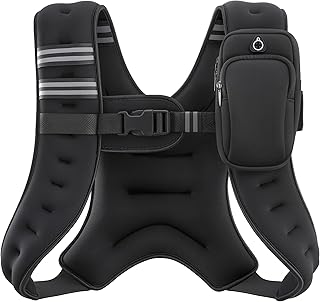
ZELUS Weighted Vest comes in weights from 6 lb to 30 lb, with a reflective stripe for safety. Rated 4.6 stars with over 15,000 reviews, it’s a versatile piece of gear. Wear it for your daily walks or household chores to burn extra calories without carving out extra time.

alli (Orlistat 60 mg) is an FDA‑approved, non‑prescription weight loss aid that blocks dietary fat absorption. It works best when paired with a low‑fat diet – making it a natural complement to a consistent eating rhythm. The 120‑count refill pack is $65.99 (4.2 stars, 28,600+ reviews).
Targeted Options for Tough Plateaus
For individuals with significant weight to lose or metabolic resistance, prescription medications can be a game‑changer when used under medical supervision.

Phendimetrazine is a prescription appetite suppressant used for short‑term weight management. Priced at $4.00 per unit, it’s a low‑cost option for those who need extra help controlling cravings during the first few weeks of building a new rhythm.

Zepbound (tirzepatide) is a newer GLP‑1 receptor agonist that has shown dramatic results in clinical trials. Available by prescription, it costs $25.00 per unit. It’s not a shortcut – it’s a tool that works best alongside consistent nutrition and activity habits.

Contrave (bupropion/naltrexone) is another prescription option that targets the brain’s reward system to reduce food cravings. At $50.00 per unit, it’s a significant investment but can provide the extra momentum needed to stick with your rhythm during tough phases.
Comparison Table
| Product | Price | Rating | Key Benefit | Buy at Amazon |
|---|---|---|---|---|
| Thermogenic Fat Burner Brazilian Lean | $9.99 | 4.1 | Thermogenesis & bloating relief | |
| Nature's Bounty Chromium Picolinate | $7.49 | 4.5 | Supports fat, protein & carb metabolism | |
| alli Weight Loss Diet Pills | $65.99 | 4.2 | Blocks dietary fat absorption | |
| OLLY Metabolism Gummy Rings | $16.97 | 4.3 | Energy & digestive support | |
| Premium Liquid Collagen | $26.95 | 4.4 | Skin, hair & lean muscle support | |
| ZELUS Weighted Vest | $28.98 | 4.6 | Increases calorie burn during daily movement | |
| Purely Inspired 7-Day Detox Cleanse | $9.99 | 4.2 | Occasional whole‑body reset | |
| Phendimetrazine (Rx) | $4.00 | – | Appetite suppression (short‑term) | |
| Zepbound (Rx) | $25.00 | – | GLP‑1 agonist for weight loss | |
| Contrave (Rx) | $50.00 | – | Reduces food cravings via brain | |
How to Layer Intensity Without Burning Out
Once your weekly rhythm is solid – after four to six weeks – you can gradually increase the intensity of one element at a time. This is called progressive overload, and it’s the same principle bodybuilders use, scaled to daily life.
- Add five minutes to your walk (from 20 to 25 minutes).
- Swap one processed snack for a whole‑food alternative.
- Increase your weighted vest by 2–3 pounds.
Only change one variable per week. If you feel resistance, scale back. The rhythm must always stay easy enough to repeat without negotiation.
Your 7‑Day Blueprint
Here’s a sample weekly rhythm that embodies consistency over intensity:
- Monday: Morning 20‑min walk, protein‑packed breakfast, 64 oz water.
- Tuesday: Bodyweight strength (10 min), same breakfast, water goal.
- Wednesday: Restorative yoga or stretching (15 min), water goal.
- Thursday: Morning walk with weighted vest (20 min), water goal.
- Friday: Same as Monday.
- Saturday: Longer walk or fun activity (30 min), flexible eating.
- Sunday: Full rest, focus on sleep and hydration.
Notice there’s no gym membership, no meal‑prepping for 10 hours, no extreme deficits. Just a sustainable loop that moves you toward your goal one day at a time.
Frequently Asked Questions
How long does it take for a weekly rhythm to become automatic?
Habit formation studies suggest it takes 18 to 66 days, with an average of about 66 days. The key is to never miss twice. If you skip a day, get back on track the next day without guilt.
Can I take multiple supplements together?
Always consult a doctor before stacking supplements, especially if you have underlying conditions or take prescription medications. Some products (like alli) require a low‑fat diet to avoid side effects.
Are prescription weight loss medications safe?
Phendimetrazine, Zepbound, and Contrave are available only with a prescription. They can be effective but carry potential side effects. They work best as part of a comprehensive lifestyle plan, not as standalone solutions.
What if I plateau even with consistent habits?
Plateaus are normal. Reassess your portion sizes, sleep quality, and stress levels. Sometimes adding a single tool – like a weighted vest or a metabolic supplement – can break the stall without overhauling your whole routine.
Should I buy all these products at once?
No. Start with the foundation – your three core habits. Then add one tool at a time based on your specific gaps. Over‑supplementing can be expensive and counterproductive.