
Willpower is a limited resource. Every choice you make about what to eat drains mental energy, and by the end of a long day, your resistance crumbles. The average person makes over 200 food-related decisions daily. That’s exhausting.
But what if you could make healthy eating automatic? No constant bargaining, no endless tracking. By designing habit systems that reduce decisions, you can set your weight loss results on cruise control. This isn’t about motivation—it’s about architecture.
Table of Contents
The Hidden Weight of Decision Fatigue
Decision fatigue is the brain’s version of muscle burnout. When you spend all day making choices—work tasks, emails, family logistics—your prefrontal cortex gets tired. That’s when the doughnut calls your name.
Research shows that people who reduce food decisions lose more weight and keep it off. Why? Because they stop relying on willpower in the moment. Instead, they pre-decide their eating patterns and build habits that trigger automatically.
The key insight: You don’t need more discipline. You need fewer decisions.
Habit Stacking + Environment Design = Automatic Eating
Two powerful behavioral strategies can make healthy eating feel effortless:
- Habit stacking – Attach a new eating habit to an existing trigger. Example: After you brew your morning coffee, you drink a full glass of water and take your daily supplement.
- Environment design – Make the healthy choice the easiest choice. If the fruit bowl is on the counter and the chips are in the garage, you’ll grab the fruit.
Start small. Pick one meal—breakfast—and automate it. Same meal every day for two weeks. That frees up cognitive space for the rest of your day.
Tools That Support Automatic Nutrition
Supplements and products won’t replace a good diet, but they can fill nutritional gaps and reduce cravings, making your habit system more robust. Here are some products that align with a decision-reduction approach:

alli Weight Loss Diet Pills ($65.99, Rating 4.2) – Orlistat blocks fat absorption, helping reduce calorie intake without constant counting. Best used alongside a low-fat diet.

Nature's Bounty Chromium Picolinate ($7.49, Rating 4.5) – Supports metabolism of fat and protein. A simple, affordable addition that may curb sugar cravings.
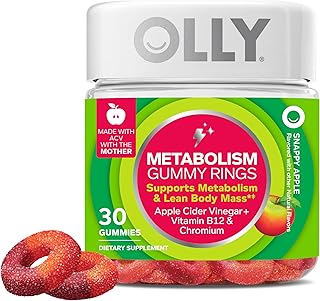
OLLY Metabolism Gummy Rings ($16.97, Rating 4.3) – Apple cider vinegar, vitamin B12, and chromium in a tasty gummy. Easy to remember, gentle on digestion.

Premium Liquid Collagen ($26.95, Rating 4.4) – Collagen protein plus L-carnitine may support satiety and metabolism. A liquid shot you can drink on autopilot.

Purely Inspired 7-Day Detox Cleanse ($9.99, Rating 4.2) – A short-term reset to kickstart new habits. Use it as a two-week jumpstart, not a crutch.

Thermogenic Fat Burner Brazilian Lean ($9.99, Rating 4.1) – Supports thermogenesis and reduces bloating. Pair with a consistent eating schedule.
For those considering medical options, prescription weight loss aids like Phendimetrazine ($4.00), Zepbound ($25.00), and Contrave ($50.00) are available through a healthcare provider. These require a doctor’s supervision but can be part of a comprehensive plan.
The 3-Step System to Automate Your Eating
Step 1: Pre-Decide Your Meals for the Week
Spend 30 minutes on Sunday to choose breakfast, lunch, and dinner for the next seven days. Use a simple rotation of 3-4 meals. Write it down or use a notes app. No more “what’s for dinner?” stress.
Step 2: Create Trigger-Based Routines
Set specific cues for eating and supplement-taking. For example:
- Morning coffee → water + OLLY Metabolism Gummy Rings
- Afternoon slump → Premium Liquid Collagen shot
- Dinner → healthy plate + Nature’s Bounty Chromium
Bold the triggers so they become automatic within days.
Step 3: Remove Temptation, Add Friction
Make junk food harder to grab. Move snacks to a high shelf or keep them out of the house. Place your pre-portioned healthy snacks at eye level. Use a ZELUS Weighted Vest ($28.98, Rating 4.6) during walks to burn extra calories without thinking about it—just throw it on before stepping out.
Comparison Table: Top Supporting Products for Automatic Eating
| Product | Price | Rating | Key Benefit | Buy at Amazon |
|---|---|---|---|---|
|
$65.99 | 4.2 | Blocks fat absorption | Buy Now |
|
$7.49 | 4.5 | Supports metabolism | Buy Now |
|
$16.97 | 4.3 | Gummy, easy to take | Buy Now |
|
$26.95 | 4.4 | Liquid, satiety support | Buy Now |
|
$9.99 | 4.2 | Short-term reset | Buy Now |
|
$9.99 | 4.1 | Thermogenesis boost | Buy Now |
FAQ: Making Healthy Eating Automatic
Why does reducing decisions help with weight loss?
Decision fatigue drains willpower. When you automate choices, you conserve mental energy for other priorities, making it easier to stick to healthy eating.
How long does it take for a habit to become automatic?
Research suggests 18 to 254 days, with an average of 66 days. The key is consistency, not perfection.
Can supplements replace whole foods?
No. Supplements are designed to complement a nutrient-dense diet, not replace it. Use them to fill gaps and support habits.
What if I slip up on my automatic system?
Treat it like data. Identify the trigger that broke the chain, adjust your environment, and restart. One slip doesn’t erase progress.
Are prescription weight loss pills safe?
Products like Phendimetrazine, Zepbound, and Contrave should only be used under medical supervision. Discuss with your doctor before starting.
Automate to Accelerate
When healthy eating becomes automatic, you stop fighting yourself. You wake up, follow your pre-set routine, and watch results appear without daily agony. The goal isn’t perfection—it’s a system that works even on your worst days.
Start with one automated meal. Add one trigger-based supplement. Remove one temptation. Let the habits compound, and watch your results soar.