
You’ve tried diets. You’ve downloaded the calorie-tracking apps. You’ve even bought the expensive gym membership. Yet the scale barely budges.
What if the missing piece isn’t willpower—but the way you plan?
Welcome to implementation intentions. This simple psychological strategy replaces vague goals like “I’ll eat healthier” with precise “if-then” plans. Research shows they nearly double the likelihood of following through on your intentions. And when applied to weight loss, they can be a game-changer for building lasting habits.
In this article, you’ll learn exactly how to create your own if-then plans, why they outperform traditional goal-setting, and how to support your journey with proven tools and supplements.
Table of Contents
What Are Implementation Intentions?
Implementation intentions are specific action plans that link a situation (the “if”) with a behavior (the “then”). They follow a simple formula:
If [situation/cue] happens, then I will [specific behavior].
For example:
- If I finish dinner and feel like snacking, then I will drink a glass of water and wait 10 minutes.
- If I see the office donuts at 10 a.m., then I will grab a piece of fruit instead.
Psychologist Dr. Peter Gollwitzer coined the term in the 1990s. His studies found that people who formed implementation intentions were two to three times more likely to act on their goals compared to those who only set general intentions. The brain automates the response, reducing the mental effort needed to choose the right action.
Why “If-Then” Plans Work for Weight Loss
Weight loss isn’t just about knowing what to do—it’s about doing it consistently in the moment. That’s where implementation intentions shine.
They bypass decision fatigue
Every day you face dozens of food and activity choices. By pre-deciding your response, you conserve willpower for later decisions.
They create automatic habits
Repeating the same if-then response strengthens neural pathways. Over time, the behavior becomes second nature—like brushing your teeth before bed.
They handle obstacles before they occur
Instead of reacting to cravings, you already have a script. This reduces the chance of slipping into old patterns.
Research published in the British Journal of Health Psychology found that participants who formed if-then plans for exercise exercised twice as much as those who only set general goals. The same logic applies to eating, portion control, and stress management.
How to Create Your Own Implementation Intentions for Weight Loss
Follow these four steps to design plans that stick.
Step 1: Identify your critical moments
Think about the times you most often struggle: after work, at social events, when you’re tired, or when you see a tempting treat. Write down your top three “high-risk” situations.
Step 2: Choose a specific, actionable behavior
The “then” must be measurable and immediate. Instead of “eat better,” pick “I’ll eat one cup of veggies before my lunch.” Instead of “exercise more,” pick “I’ll put on my sneakers and walk for 10 minutes.”
Step 3: Combine the if and then
Write your plan in the exact format: “If ___, then ___.” Say it out loud or write it on a sticky note.
Step 4: Rehearse mentally
Take 30 seconds each morning to visualize the cue and your response. This primes your brain to execute automatically.
Real-Life Examples for Weight Loss
Here are practical if-then plans you can adapt today:
| If (cue) | Then (behavior) |
|---|---|
| If I feel a craving for sweets after 8 p.m., then I’ll brush my teeth immediately. | |
| If it’s 7 a.m. on a weekday, then I’ll do 15 minutes of bodyweight exercises. | |
| If I am offered dessert at a restaurant, then I’ll order a herbal tea. | |
| If I’m about to order fast food, then I’ll take a photo of my meal and wait 5 minutes before eating. |
Customize these to fit your lifestyle. The more personal and specific, the better.
Common Pitfalls and How to Avoid Them
Pitfall: Making the “if” too vague
Instead of “If I’m hungry,” use “If it’s 11 a.m. and I feel a stomach pang.”
Pitfall: Choosing an unrealistic “then”
Be honest about what you can actually do. “I’ll run 5 miles” is less actionable than “I’ll walk for 20 minutes.”
Pitfall: Trying too many at once
Start with one or two plans. Add more once they become routine.
Pitfall: Forgetting to review
Check your progress weekly. Adjust the cue or behavior if it’s not working.
Supplementing Your If-Then Plan with Smart Tools
While implementation intentions build the mental muscle, smart tools and supplements can support your body’s metabolic and energy needs. They are not magic pills, but they can nudge you in the right direction when combined with consistent habits.
Below are some top-rated options available on Amazon. Always consult a healthcare provider before starting any supplement.
Supporting Metabolism and Energy

Nature's Bounty Chromium Picolinate – $7.49 · 4.5 stars
Chromium helps metabolize fats and carbohydrates. A small, affordable addition to your daily routine.
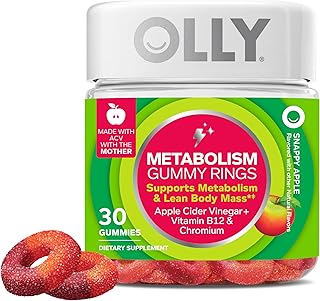
OLLY Metabolism Gummy Rings – $16.97 · 4.3 stars
Apple cider vinegar, vitamin B12, and chromium in a tasty chewable form.

Thermogenic Fat Burner Brazilian Lean – $9.99 · 4.1 stars
Helps with bloating and thermogenesis. Good for an extra boost during exercise.
Appetite Control and Fullness

alli Weight Loss Diet Pills – $65.99 · 4.2 stars
Contains orlistat, which blocks fat absorption. Must be used with a low-fat diet.

Purely Inspired 7-Day Detox Cleanse – $9.99 · 4.2 stars
A short-term cleanse with senna, apple cider vinegar, and probiotics.
Collagen and Liquid Support

Premium Liquid Collagen – $26.95 · 4.4 stars
Combines collagen, hyaluronic acid, and l-carnitine. Supports both weight management and skin health.
Prescription Options (Talk to Your Doctor)

Phendimetrazine – from $4.00 – A prescription appetite suppressant.

Zepbound – from $25.00 – A prescription injection for weight loss.

Contrave – from $50.00 – A prescription combination pill for appetite control.
Fitness Gear to Enhance Movement

ZELUS Weighted Vest – $28.98 · 4.6 stars
Adds resistance to walks or runs. Great for turning a simple if-then walking plan into a more intensive workout.
Comparison Table: Top Weight Loss Supports
| Product | Rating | Price | Picture | Buy at Amazon |
|---|---|---|---|---|
| Nature's Bounty Chromium Picolinate | 4.5 | $7.49 | |
Buy on Amazon |
| OLLY Metabolism Gummy Rings | 4.3 | $16.97 | |
Buy on Amazon |
| alli Weight Loss Diet Pills | 4.2 | $65.99 | |
Buy on Amazon |
| ZELUS Weighted Vest | 4.6 | $28.98 | |
Buy on Amazon |
| Premium Liquid Collagen | 4.4 | $26.95 | |
Buy on Amazon |
Final Thoughts: Your If-Then Plan Starts Today
Implementation intentions turn good intentions into automatic actions. They reduce the mental load, handle obstacles in advance, and build habits that last—all essential for sustainable weight loss.
Start small. Pick one high-risk moment and write your if-then plan. Practice it for a week. Then, when you see that trigger, you’ll already know exactly what to do.
Combine your mental strategy with smart support like the Nature's Bounty Chromium Picolinate or the ZELUS Weighted Vest to supercharge your results.
Ready to make weight loss automatic? Your if-then plan is waiting.
Frequently Asked Questions
How long does it take for implementation intentions to become habits?
Research suggests it can take anywhere from 18 to 254 days, with an average of 66 days. Consistency is key. Repeating the same if-then plan every day speeds up the process.
Can I use implementation intentions for exercise as well as diet?
Absolutely. They work for any behavior change. Example: “If I finish my morning coffee, then I will do 10 push-ups.”
Do I need to use supplements or pills to lose weight?
No. Supplements like alli or OLLY Metabolism Gummy Rings can support your efforts, but the foundation should always be healthy eating and physical activity. Always consult a doctor before starting any supplement.
What if my if-then plan fails?
Revisit your plan. The cue may be too vague or the action too hard. Adjust until it feels doable. Failure is feedback.
Can I use several if-then plans at once?
Start with one or two. Adding too many can overwhelm your willpower. Build one habit solidly before moving to the next.