
When it comes to shedding body fat, training volume is the secret dial that most people either crank too high or leave stuck on low. Volume—the total amount of work you do in a week—directly influences calorie burn, muscle preservation, and recovery. Yet without the right balance, your fat loss efforts can stall, or worse, backfire.
Understanding how much training volume your body actually needs is a cornerstone of smart workout programming for fat loss. No fads, no gimmicks—just science-based adjustments that help you drop weight while keeping your metabolism firing. Let’s break down the exact signs that your volume is off, so you can dial in results instead of frustration.
Table of Contents
Signs You’re Doing Too Much Training Volume
More is not always better. Overtraining can shut down fat loss by spiking cortisol, wrecking sleep, and making you ravenous. Here are the red flags that your training volume has crossed the line:
1. Constant Fatigue That Doesn’t Lift After Rest Days
If you feel drained even after a full night’s sleep or a scheduled rest day, your nervous system is likely overloaded. High volume without adequate recovery suppresses thyroid function and slows metabolism—the opposite of what you want for weight loss.
2. Nagging Joint Pain or Frequent Minor Injuries
When volume exceeds your joints’ capacity to recover, inflammation rises. This forces you to skip workouts, reduces overall energy expenditure, and can lead to compensatory movement patterns that burn fewer calories.
3. Plateau or Rebound in Weight
Surprisingly, doing too much volume can cause water retention and muscle breakdown. The scale may stall or even creep up. Your body perceives the excessive workload as a threat and holds onto fat stores.
4. Poor Sleep Quality and Elevated Resting Heart Rate
Research shows that overreaching increases resting heart rate and disrupts sleep architecture. If you wake up tired or have trouble falling asleep despite being exhausted, your training volume may be the culprit.
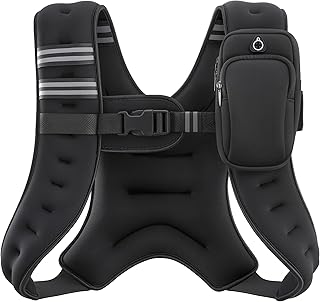
Sometimes adding intensity (like with a ZELUS Weighted Vest) is smarter than adding more sets. A weighted vest lets you increase load without extending workout time—keeping volume manageable while still challenging your muscles.
Signs You’re Doing Too Little Training Volume
The opposite problem is equally common. Many people believe that long, slow cardio is the only way to burn fat, but insufficient volume fails to create enough metabolic stress to stimulate meaningful calorie burn and muscle retention.
1. Minimal Progress Despite Consistent Effort
If you’ve been training four times a week for two months and see little change in body composition, your total weekly volume (sets × reps × weight) is probably too low to trigger adaptation.
2. Strength Gains Stall Quickly
Early strength gains are largely neural, but after a few weeks, you need sufficient volume to force muscle growth. Without it, your metabolism gets no boost, and fat loss plateaus.
3. You’re Hungry All the Time
Low training volume can actually increase hunger hormones like ghrelin. Without enough muscle contraction, your body doesn’t get the signal to upregulate fat oxidation. You end up eating more while burning less.
4. Mood and Energy Drop as the Day Goes On
Exercise volume is a natural antidepressant. When you under-train, your dopamine and endorphin levels stay low. You may feel lethargic, unmotivated, and crave high-calorie comfort foods.
Finding the Sweet Spot: Optimal Training Volume for Fat Loss
The gold standard for fat loss is 8–12 hard sets per muscle group per week, distributed over 3–5 resistance training sessions. Add moderate cardio (150–200 minutes of zone 2) and a couple of HIIT sessions. This volume keeps cortisol in check while maximizing calorie burn.
- Too low: Fewer than 4–6 sets per muscle group per week.
- Too high: More than 20 sets per muscle group per week without deload weeks.
Listen to your body. If you feel strong, sleep well, and see the scale trending down, you’re likely in the right zone. If joints ache or energy crashes, it’s time to cut volume by 20–30% and see what happens.
Supporting Your Training with Smart Nutrition & Supplements
Even perfect training volume won’t outrun a poor diet. But targeted supplements can fill gaps and enhance metabolism. Here are a few researched options that pair well with a solid workout plan:
Nature’s Bounty Chromium Picolinate

Chromium helps metabolize carbohydrates and fats more efficiently. Many people deficient in this mineral struggle with sugar cravings. At $7.49 with a stellar 4.5-star rating (8,600+ reviews), it’s an affordable way to support your metabolism during a fat loss phase.
OLLY Metabolism Gummy Rings
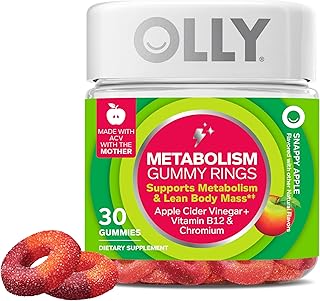
These apple cider vinegar gummies also contain vitamin B12 and chromium. They’re a tasty option for those who dislike swallowing pills. $16.97 per 30-count bottle, rated 4.3 stars.
alli Weight Loss Diet Pills

Orlistat blocks fat absorption. It’s FDA-approved and works best when combined with reduced‑calorie meals and regular training. A 120-count refill pack costs $65.99, with 4.2 stars over 28,000 reviews.
Thermogenic Fat Burner – Brazilian Lean

This supplement aims to boost thermogenesis and reduce bloating. At just $9.99, it’s an entry-level thermogenic option with a 4.1 rating.
Premium Liquid Collagen with Hyaluronic Acid & Biotin
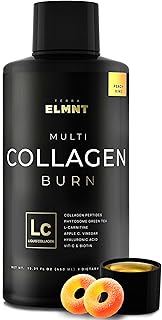
Collagen supports joint recovery and skin health during fat loss. This liquid formula also includes L‑carnitine, which may aid fat metabolism. $26.95, 4.4 stars.
Purely Inspired 7-Day Detox Cleanse

A short‑term detox can reset bloating and digestion, but it’s not a fat loss solution on its own. $9.99, 4.2 stars.
Comparison Table: Best Supplements to Support Fat Loss
| Product | Price | Rating | Best For | Buy at Amazon |
|---|---|---|---|---|
| alli Weight Loss Pills |
$65.99 | 4.2 | Blocking fat absorption | Buy Now |
| Chromium Picolinate |
$7.49 | 4.5 | Sugar craving control | Buy Now |
| OLLY Metabolism Gummy Rings |
$16.97 | 4.3 | Easy metabolism support | Buy Now |
| Thermogenic Fat Burner |
$9.99 | 4.1 | Thermogenesis & bloating | Buy Now |
| Premium Liquid Collagen |
$26.95 | 4.4 | Joints, skin & metabolism | Buy Now |
| 7-Day Detox Cleanse |
$9.99 | 4.2 | Short‑term digestive reset | Buy Now |
How to Adjust Your Training Volume This Week
Start by tracking your weekly volume for one week. Count total sets across all exercises. If you’re above 20 sets per muscle group, cut back by 25% and add an extra rest day. If you’re below 8 sets, add one more workout day or increase sets per exercise.
Remember to prioritize sleep and protein intake—they’re non‑negotiable for fat loss. Tools like a ZELUS Weighted Vest can help you get more out of fewer sets by adding resistance to bodyweight movements.
FAQ: Training Volume for Fat Loss
How many sets per workout for fat loss?
Aim for 3–4 exercises per session, 3–4 sets each, totaling 9–16 sets per workout. This keeps volume high enough to stimulate muscle while allowing recovery.
Can I do too much cardio and still gain fat?
Yes. Excessive steady‑state cardio (over 1 hour daily) can elevate cortisol, causing muscle loss and belly fat storage. Keep cardio moderate.
What is the best rep range for fat loss?
Use 8–15 reps for most exercises. This range balances metabolic stress (calorie burn) with strength retention. Lower reps for strength, higher reps for endurance.
Should I take supplements if I’m under‑eating?
Supplements like chromium or a thermogenic should complement—not replace—whole foods. If your calorie deficit is aggressive, focus first on protein and micronutrients.