

Open enrollment is your annual window to review and adjust your health insurance coverage. For many, it’s a rushed checkbox task — but treating it as a thoughtful personal finance decision can save thousands of dollars and protect your long-term well‑being.
Your health plan choice directly influences your monthly budget, tax strategy, and ability to access quality care. This guide walks you through each step of the selection process, blending practical planning with the mindset shifts that build lasting financial resilience.
Table of Contents
Understand Your Healthcare Needs First
Before comparing premiums or deductibles, take an honest inventory of your health and spending patterns. Ask yourself:
- How many doctor visits did you make last year? (routine vs. urgent)
- Do you manage a chronic condition or take regular prescriptions?
- Are you planning any major medical events (pregnancy, surgery, orthodontics)?
Use last year’s claims and receipts as a baseline. If you’re young and healthy, a high‑deductible plan paired with a Health Savings Account (HSA) might be optimal. If you have ongoing specialist care, a lower‑deductible PPO can reduce unpredictable out‑of‑pocket costs.
For a deeper dive into managing unpredictable healthcare expenses, read our guide on Budgeting for Healthcare When Costs Are Unpredictable.
Compare Plan Types: HMO, PPO, HDHP, HSA, FSA
Each plan structure has distinct trade‑offs between flexibility and cost. Here’s a quick breakdown:
| Plan Type | Premium | Deductible | Network | Best For |
|---|---|---|---|---|
| HMO | Lower | Lower | Strict | Routine care, low‑cost prevention |
| PPO | Higher | Higher | Broad | Specialist access, out‑of‑state care |
| HDHP | Lowest | Very high | Varies | HSA eligibility, healthy individuals |
| EPO | Moderate | Moderate | Limited (no out‑of‑network) | Balance of cost and choice |
Key considerations for personal finance:
- HSA (Health Savings Account) – Only compatible with HDHPs. Contributions are tax‑deductible, grow tax‑free, and can be used tax‑free for qualified expenses. It’s a powerful long‑term savings vehicle. Learn more in Building and Using a Health Savings Account Strategically.
- FSA (Flexible Spending Account) – Use it for lower‑deductible plans. Money is use‑or‑lose (usually by year‑end), so estimate carefully.
Understanding the nuances of these plans is essential. For a complete comparison, see Understanding Health Plans: HMO, PPO, HDHP, HSA, FSA.
The Financial Psychology of Insurance Choices
Choosing a health plan isn’t just about numbers — it’s about your attitude toward risk and money. Morgan Housel’s The Psychology of Money explores how emotions and biases shape financial decisions. The same principles apply to insurance: we over‑pay for low deductibles because we fear small losses, yet we under‑prepare for rare but catastrophic events.

The Psychology of Money (Amazon, $10.99, 4.7 stars) teaches timeless lessons on wealth, greed, and happiness. Its insights can help you make calm, strategic choices during open enrollment — without being ruled by fear of the “what if.”
When you evaluate plan options, ask yourself: Am I paying more for peace of mind than the plan actually delivers? A slightly higher deductible can be offset by an HSA contribution you invest for future health needs. This long‑term thinking aligns with the book’s core message.
Build a Long‑Term Strategy with Your Health Plan
A thoughtful enrollment goes beyond one year. Consider how today’s choice sets you up for future financial health. Two strategies stand out:
1. Maximize the HSA as a Retirement Tool
Even if you don’t use all your HSA funds this year, keep them invested. After age 65, you can withdraw for non‑medical expenses (paying income tax). This turns your HSA into a supplemental retirement account. For a full strategy, read Building and Using a Health Savings Account Strategically.
2. Prioritize Preventive Care Over Reactive Care
Most plans cover preventive visits (annual physicals, vaccines, screenings) at 100%. Skipping them costs you nothing in premium but can prevent expensive chronic conditions. The trade‑off is clear: a $0 copay today vs. thousands in treatment later. Dive deeper into Preventive Care vs Reactive Care: Long‑term Cost Trade‑offs.
Robert Kiyosaki’s Rich Dad Poor Dad famously contrasts the mindset of the “rich dad” who invests in assets vs. the “poor dad” who accumulates liabilities. Your health is an asset. Investing in prevention and an HSA is the financial equivalent of buying income‑generating assets — it pays you back over time.
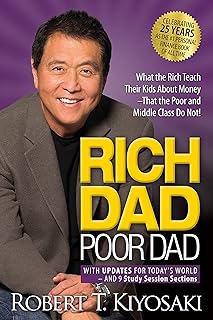
Rich Dad Poor Dad (Amazon, $9.31, 4.7 stars) offers foundational lessons on money that apply directly to health insurance: treat your plan as a tool for building wealth, not just a safety net.
Comparison of Recommended Books
| Product | Price | Rating | Key Takeaway | Buy at Amazon |
|---|---|---|---|---|
|
$10.99 | 4.7 | Understand behavioral biases to make better financial decisions. | Buy on Amazon |
|
$9.31 | 4.7 | Invest in assets and change your money mindset. | Buy on Amazon |
Both resources are invaluable for framing health insurance as a strategic component of your broader financial plan.
Additional Coverage You Shouldn’t Overlook
Open enrollment also applies to dental, vision, and supplemental plans. These are often low‑cost with high‑value benefits. For example, a dental plan may cover two cleanings per year — that’s preventive maintenance that saves future restorative costs.
- Planning for Dental, Vision, and Hearing Expenses
- Mental Health Care on a Budget: Therapy, Coaching, and Support
- Employer Wellness Benefits Most People Overlook
If you use medications, check your plan’s drug formulary. Generic alternatives can slash costs. Read Prescription Cost Hacks: Generics, Discount Programs, and Apps.
Make the Choice That Serves Your Whole Self
Open enrollment is a moment of empowerment, not overwhelm. By combining a clear assessment of your needs with the financial wisdom from books like The Psychology of Money and Rich Dad Poor Dad, you can select a plan that supports both your health and your wealth.
Remember: the best plan is the one you’ll use consistently. Don’t let a lower premium trick you into avoiding care, and don’t let a heavy premium drain your budget unnecessarily. Approach the decision thoughtfully, and revisit your choice each year as your life changes.
For a step‑by‑step guide to negotiating medical expenses after you’ve chosen your plan, see Negotiating Medical Bills and Setting up Payment Plans.
Frequently Asked Questions
Q: When is open enrollment for health insurance?
A: For most employer‑based plans, it’s a two‑ to four‑week period in the fall (usually November). Medicare open enrollment runs from October 15 to December 7. Marketplace plans have a similar window but vary by state.
Q: Can I change my health plan outside of open enrollment?
A: Only if you have a qualifying life event (marriage, birth, loss of coverage, move). These trigger a special enrollment period of 60 days.
Q: What’s the difference between an HSA and an FSA?
A: An HSA is owned by you, rolls over year to year, and is only available with an HDHP. An FSA is employer‑owned, usually use‑it‑or‑lose it, and works with any plan.
Q: How do I know if an HDHP is right for me?
A: If you are generally healthy, have few prescriptions, and can afford a high deductible in an emergency, an HDHP + HSA can lower premiums and build tax‑advantaged savings. If you have chronic conditions, a lower deductible plan may be safer.
Q: Should I max out my HSA contributions?
A: Yes, if you can afford it. For 2024, the limit is $4,150 (individual) or $8,300 (family). Contributions are pre‑tax, and any unused funds can be invested for future medical expenses in retirement.