

Managing prescription costs is a major part of personal finance that often goes overlooked. Even with insurance, copays and coinsurance can drain your budget fast. The good news? You don’t have to choose between your health and your wallet.
Using generics, discount programs, and smart apps can slash your medication expenses by 50% or more. These strategies are simple to implement and can save you hundreds of dollars each year.
Table of Contents
Why Prescription Costs Matter for Your Financial Health
Rising drug prices affect nearly every household. A 2023 survey found that one in four Americans struggle to afford their medications. When you can’t fill a prescription, your health suffers, which leads to even higher costs down the road.
Incorporating prescription cost hacks into your broader financial plan is a smart move. It aligns perfectly with lessons from The Psychology of Money — understanding that small, consistent choices compound into big savings. Similarly, Rich Dad Poor Dad teaches us to make money work smarter, not harder.

Section 1: The Power of Generic Drugs
Generic drugs are chemically identical to brand-name versions but cost 80% to 85% less. They undergo the same FDA approval process for safety and effectiveness. Yet many people still request the brand-name out of habit.
Why Generics Are a Budget Superpower
- Immediate savings: Most generics cost $4 to $15 per month at major retailers like Walmart, Target, and Kroger.
- Insurance-friendly: Copays are often lowest for generics (Tier 1).
- No quality difference: Generics must meet strict bioequivalence standards.
Pro tip: Always ask your doctor if a generic version exists. You can also check the FDA’s “Orange Book” for approved generics.
Section 2: Prescription Discount Programs
Even with insurance, discount programs can bring prices down further. These programs work like coupons — you show the card or app at the pharmacy and get a lower price.
Best Discount Programs to Know
| Program | How It Works | Typical Savings |
|---|---|---|
| GoodRx | Free app/website; compares prices across pharmacies | 30%–80% |
| SingleCare | Similar to GoodRx; includes pet meds | Up to 80% |
| WellRx | Free to use; includes home delivery | 40%–60% |
| RxSaver | No signup; shows coupons instantly | 50%–70% |
Key insight: These programs are especially useful for high-cost brand-name drugs and when you have a high deductible health plan. Always check the discount price vs. your insurance copay — sometimes the cash price is lower.
Section 3: Apps That Make Prescription Savings Automatic
Smartphone apps turn cost-hunting into a habit. They send alerts, compare prices, and even deliver medications to your door.
Top Prescription Savings Apps
- GoodRx – The gold standard. Shows real-time prices at nearby pharmacies and offers free coupons.
- SingleCare – Works like GoodRx but also includes vision and dental discounts.
- Blink Health – You pay a member price upfront, then pick up at the pharmacy.
- Optum Perks – Free to use; no personal info required.
- Honey (with GoodRx) – Browser extension that finds pharmacy coupons automatically.
How to use them:
- Search for your medication name and dosage.
- Compare prices at multiple pharmacies.
- Show the app’s coupon to the pharmacist (no printing needed).
- Fill your script at the lowest cost location.
Section 4: Combining Strategies for Maximum Savings
No single hack works for every drug. The smartest approach is layering multiple tactics.
Step-by-Step Playbook
- Start with generics – Ask your doctor to prescribe the generic version.
- Check both insurance and cash prices – Use GoodRx or SingleCare to compare.
- Use a discount program if the cash price is lower than your copay.
- Opt for a 90-day supply – Many programs and insurance plans offer discounts for bulk fills.
- Apply manufacturer coupons – For brand-name drugs, visit the manufacturer’s website for copay cards.
- Consider mail-order pharmacies – Often cheaper for chronic medications.
Section 5: How Personal Finance Books Reinforce These Habits
The principles behind saving on prescriptions echo timeless advice from top personal finance books. For example, Rich Dad Poor Dad emphasizes that assets are things that put money in your pocket. Reducing medication costs is like creating an asset — you keep more cash each month.
Similarly, The Psychology of Money reminds us that most financial success comes from behavior, not brilliance. Building a simple routine of checking prices before each refill is a behavioral edge that compounds over time.
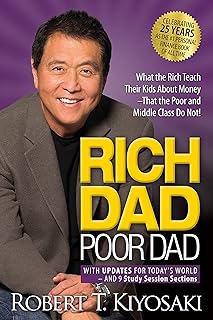
Comparison of Key Insights from Both Books
| Feature | Rich Dad Poor Dad – Robert Kiyosaki | The Psychology of Money – Morgan Housel |
|---|---|---|
| Core Message | Assets vs. liabilities; financial independence | Compounding behavior, humility, and luck |
| Price | $9.31 | $10.99 |
| Rating | 4.7 stars (107K+ reviews) | 4.7 stars (71.6K+ reviews) |
| Focus | Investing, cash flow, mindset | Psychology of saving and spending |
| Buy Link | Buy at Amazon | Buy at Amazon |
| Product Image | |
 |
Both books reinforce the mindset needed to manage costs proactively. Apply their lessons to healthcare, and you’ll see immediate financial benefits.
Additional Resources: Internal Links for Deeper Learning
For a comprehensive approach to healthcare cost management, explore these related articles:
- Budgeting for Healthcare When Costs Are Unpredictable
- Understanding Health Plans: Hmo, Ppo, Hdhp, Hsa, Fsa
- Building and Using a Health Savings Account Strategically
- Negotiating Medical Bills and Setting up Payment Plans
- Emergency Room vs Urgent Care vs Telehealth: Cost-smart Decisions
- Preventive Care vs Reactive Care: Long-term Cost Trade-offs
- Choosing Insurance Plans During Open Enrollment Thoughtfully
- Mental Health Care on a Budget: Therapy, Coaching, and Support
- Fitness Spending: Gym Memberships, At-home Setups, and Free Options
- Chronic Illness and Disability: Building a Compassionate Money Plan
- Medical Tourism: When Traveling for Care Makes Sense
- Employer Wellness Benefits Most People Overlook
- Creating a Personal Health Fund for Procedures and Big Expenses
Frequently Asked Questions about Prescription Cost Hacks
Can I use a discount program if I have insurance?
Yes. You can often choose the lower price between your insurance copay and the discount program cash price. Just tell the pharmacist you want to use a discount card instead of insurance. However, paying with a discount card won't count toward your deductible.
Are generic drugs really as effective as brand-name?
Absolutely. The FDA requires generic drugs to have the same active ingredient, strength, dosage form, and route of administration. They must also be bioequivalent. The only differences are inactive ingredients (fillers, dyes) that don’t affect how the drug works.
How do I find the cheapest pharmacy for my medication?
Use an app like GoodRx or SingleCare. Enter your drug name and dosage, and it shows prices at CVS, Walgreens, Walmart, Costco, and independent pharmacies. Prices can vary by $30 or more for the same drug.
Do manufacturer copay cards work with Medicare?
No. Federal law prohibits manufacturer copay assistance for patients enrolled in government programs like Medicare or Medicaid. However, you may still use GoodRx or other discount programs.
What if my doctor won’t prescribe a generic?
Politely ask if there’s a generic alternative that’s equally effective. If not, ask about therapeutic substitution — a different drug in the same class that has a lower-cost generic option. Many insurance plans also require step therapy, starting with generics.
Can I combine a discount app with a pharmacy membership?
Sometimes. Some pharmacies (like Costco or Sam’s Club) offer their own discount programs for members. You can stack those with manufacturer coupons, but not with third-party discount cards. Always compare your final price.
Are there hidden fees with prescription discount apps?
No. Apps like GoodRx, SingleCare, and Optum Perks are completely free. They make money from pharmacy transaction fees. You never pay to use the coupon.