
You’re staring at a blank page, your to-do list is collecting dust, and that goal you set three months ago feels like a distant memory. You know you need self-discipline, but the word itself sounds heavy—like something only monks and Navy SEALs possess. So what’s another word for self-discipline that feels more human, more approachable, more you?
The short answer: self-discipline has dozens of synonyms and related terms, each carrying a slightly different flavor. Depending on whether you’re writing a novel, building a business, or training for a marathon, you might reach for willpower, grit, resolve, self-control, or mental toughness. In this deep-dive, we’ll unpack the best alternatives for three key areas—writing, mindset, and goals—and show you how to make self-discipline work without feeling like a chore.
Table of Contents
Why “Self-Discipline” Feels So Heavy—and What Works Better
Think of self-discipline as the engine. The synonyms are the different gears you shift into depending on the terrain. When the word itself feels like a burden, swapping it for a more specific term can trick your brain into taking action.
Self-discipline often gets tangled up with punishment (“I must discipline myself”). But at its core, it’s about choosing long-term satisfaction over short-term pleasure—a definition that opens the door to friendlier terms like self-mastery or self-regulation.
Let’s break down the best alternatives by context.
What’s Another Word for Self Discipline in Writing?
Writers face a unique beast: the blank page and the inner critic. The traditional “discipline” approach—“Write every day or else”—rarely works. Instead, try these synonyms:
1. Willpower
Willpower is the battery that powers your writing sessions. It’s what gets you to open the document even when the sofa calls. But willpower depletes, so use it strategically. Set a timer for 20 minutes of willpower-fueled focus, then reward yourself.
2. Routine
Routine is self-discipline in disguise. When you show up at 6 a.m. every day, you stop needing willpower. You just do. For writers, a consistent routine beats motivation every time.
3. Resolve
Resolve carries a sense of stubbornness. “I will finish this chapter, no matter what.” It’s the gritty cousin of self-discipline—perfect for pushing through the messy middle of a manuscript.
4. Self-Control
Self-control is the ability to resist distractions. Put your phone in another room, close the browser tabs, and say no to the dopamine hits. That’s self-control in action.
5. Commitment
Commitment turns a whim into a promise. When you commit to writing 500 words a day, you’re not relying on self-discipline; you’re honoring your word.
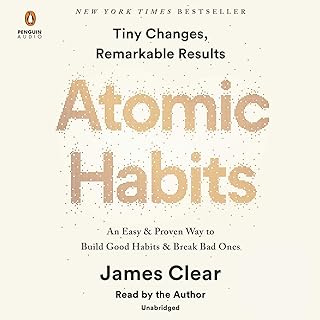
Pro tip: Pair any of these with a proven system. James Clear’s Atomic Habits (rated 4.8 stars, over 148,000 reviews) is a masterclass in building writing routines that stick.
What’s Another Word for Self Discipline in Mindset?
Your inner dialogue shapes your outer actions. Here, self-discipline synonyms lean toward toughness, resilience, and mental clarity.
1. Mental Toughness
Mental toughness is the ability to keep going when your brain screams “stop.” Athletes use it. Soldiers rely on it. But you can apply it to any challenge, from a difficult conversation to a 12-hour workday.
2. Resilience
Resilience is bouncing back after failure. It’s self-discipline for the long haul—staying consistent even after a setback. Think of it as emotional self-discipline.
3. Fortitude
An old-school word that deserves a comeback. Fortitude means strength of mind to endure pain or adversity. It’s perfect for describing the quiet courage it takes to stick with a tough goal.
4. Determination
Determination is self-discipline in motion. It’s the fuel that keeps you grinding when results are slow. “I am determined to succeed” sounds more active than “I must discipline myself.”
5. Self-Mastery
Self-mastery is the ultimate prize. It’s when your actions align perfectly with your values—no internal struggle. Achieving self-mastery means you’ve trained your mind to default to the right choices.
Key insight: Building a strong mindset requires daily practice. Books like Discipline Is Destiny by Ryan Holiday (4.7 stars, $5.88) are excellent resources for cultivating self-mastery through Stoic principles.

What’s Another Word for Self Discipline in Goals?
Goal-getters need terms that emphasize persistence, consistency, and action over perfection.
1. Consistency
Consistency is self-discipline in daily doses. It’s not about being perfect; it’s about showing up again and again. “I am consistent” is a better identity than “I have discipline.”
2. Dedication
Dedication implies a deep commitment to something you care about. When you’re dedicated to your goal, self-discipline becomes a natural byproduct.
3. Perseverance
Perseverance is the ability to keep going despite obstacles. It’s the long-game version of self-discipline. Thomas Edison didn’t have “discipline”; he had perseverance.
4. Drive
Drive is an internal engine that pushes you forward. It’s less about resisting temptation and more about pursuing a compelling vision. Drive makes self-discipline feel effortless.
5. Self-Regulation
Self-regulation is the scientific term for managing your thoughts, emotions, and behaviors. It’s the cognitive skill behind self-discipline—and it can be trained.
Expert insight: According to psychologist Roy Baumeister, self-regulation works like a muscle. Strengthen it with small challenges (e.g., standing up straight for 5 minutes) and you’ll build self-discipline across all areas.
A Comparison Table: Best Books to Build Self-Discipline
If you’re ready to go deeper, here are five top-rated books on self-discipline and its alternatives. Each one tackles the concept from a different angle.
| Product | Price | Rating | Buy at Amazon |
|---|---|---|---|
 No Excuses!: The Power of Self-Discipline No Excuses!: The Power of Self-Discipline |
$8.66 | 4.7 | Buy Now |
| Atomic Habits |
$0.00 (Audible) | 4.8 | Buy Now |
| Discipline Is Destiny |
$5.88 | 4.7 | Buy Now |
 The Mountain Is You The Mountain Is You |
$0.00 (Kindle Unlimited) | 4.7 | Buy Now |
 Discipline Equals Freedom Discipline Equals Freedom |
$12.93 | 4.7 | Buy Now |
Why these? Each book focuses on a different aspect: Brian Tracy drills the no-excuses mindset; James Clear builds systems; Ryan Holiday ties self-discipline to Stoic virtue; Brianna Wiest addresses self-sabotage; and Jocko Willink treats it as a battle manual. Pick the one that resonates with your current struggle.
How to Choose the Right Synonym for Your Situation
Not every synonym fits every context. Here’s a quick guide to help you pick:
- For creative work (writing, art, music): Use routine, willpower, or commitment. These feel less punishing and more empowering.
- For tough mental challenges: Use grit, fortitude, or mental toughness. These terms acknowledge the struggle and honor your effort.
- For long-term goals: Use perseverance, consistency, or dedication. These emphasize the marathon, not the sprint.
Example: Instead of saying “I need more self-discipline to exercise,” say “I need more consistency with my workouts.” See how that shifts the focus from punishment to habit?
Practical Strategies to Build Self-Discipline (No Matter What You Call It)
Labels help, but action changes everything. Here are five evidence-backed strategies to strengthen whichever self-discipline synonym you choose.
1. Start with the “Two-Minute Rule”
Most people overcommit. Instead, commit to doing a task for just two minutes. Want to write? Write one sentence. Want to exercise? Put on your shoes. This bypasses the resistance that kills self-discipline.
2. Remove Temptation (Not Willpower)
Willpower is a limited resource. Instead of fighting it, design your environment for success. Keep junk food out of the house. Use website blockers during work hours. This is self-control through engineering.
3. Use the “Seinfeld Strategy”
Comedian Jerry Seinfeld once said the key to his success was a calendar: every day he wrote a joke, he’d mark an X. His goal was to not break the chain. That’s consistency turned into a game.
4. Practice Deliberate Discomfort
Build mental toughness by doing one uncomfortable thing each day: take a cold shower, skip a meal (if healthy), or have a difficult conversation. This strengthens your self-discipline muscle.
5. Journal Your Wins
Track small victories. Each time you stick to a goal, write it down. Over time, you build a story of resilience and self-mastery that reinforces your identity.
The Role of Books in Building Self-Discipline
Reading about self-discipline is one thing; applying it is another. But good books can be powerful catalysts. They provide frameworks, stories, and accountability that make the abstract concrete.
For example, No Excuses!: The Power of Self-Discipline by Brian Tracy (4.7 stars, $8.66) is a classic because it reframes self-discipline as the foundation of success, not a punishment. Tracy writes with the clarity of a coach who’s seen it all—his 21 practical chapters make the concept feel doable.
Similarly, The Power of Self-Discipline: 5-Minute Exercises (4.4 stars, free on Audible) offers bite-sized strategies for those short on time. Perfect for the busy professional who wants quick wins.
Common Misconceptions About Self-Discipline
Let’s clear up a few myths that might be holding you back.
Myth 1: You’re either born with self-discipline or you’re not.
Truth: Self-discipline is a skill you can build, like a muscle. Everyone can improve with practice.
Myth 2: Self-discipline means being rigid and joyless.
Truth: Real self-discipline actually creates more freedom. By saying no to cheap dopamine, you make room for deeper satisfaction.
Myth 3: You need willpower 24/7.
Truth: The most disciplined people don’t rely on willpower. They rely on routines, habits, and environment design. They save willpower for truly tough decisions.
When You Should NOT Use “Self-Discipline”
Sometimes the word itself creates resistance. If you’re talking to a child, a friend who’s struggling, or yourself on a bad day, softer language works better.
Alternatives for gentle contexts:
- Self-care (when the goal is health, not punishment)
- Personal accountability (when emphasizing ownership)
- Motivation (when you need a short-term spark)
- Focus (when distraction is the problem)
Example: Instead of “You need more self-discipline,” try “Could you use a little more focus today?” or “How can I help you build a stronger routine?”
FAQ: What’s Another Word for Self Discipline?
Q: What’s another word for self discipline for students?
A: Students benefit from terms like time management, focus, study habits, or academic discipline. These feel more specific to their environment.
Q: What’s a formal synonym for self-discipline?
A: Self-regulation is the most formal synonym, used in psychology and education. Self-control and self-command also work in formal writing.
Q: What’s another word for self discipline in a resume?
A: Use self-motivation, self-starting, initiative, or conscientiousness. These highlight the trait without sounding harsh.
Q: Is grit the same as self-discipline?
A: Grit is related but broader. Psychologist Angela Duckworth defines grit as passion + perseverance for long-term goals. Self-discipline is more about daily choices, while grit covers the overall drive.
Q: What’s a biblical synonym for self-discipline?
A: Temperance (self-control, moderation) is a common biblical term. Sobriety (in the sense of seriousness) and self-government also appear.
Your Next Step
Stop worrying about finding the perfect word. Ask yourself: What do I want to feel? Determined? Consistent? Resilient? Pick the synonym that lights a fire, then act.
Remember: Self-discipline is not about punishment—it’s about giving yourself the life you truly want. Whether you call it self-mastery, grit, or just plain focus, the key is to start small, stay consistent, and keep going.
If you need a guide, grab one of the resources above. Like The Science of Self-Discipline (4.5 stars, free on Audible) or 365 Days With Self-Discipline (4.5 stars, free with a trial). They’ll remind you that every day is a new chance to build the muscle of self-discipline.

Now go. The life you want is on the other side of the word you choose.