
Ever said something you instantly regretted? Or clicked “send” on an email you should have slept on? We have all been there. The gap between a trigger and your reaction can feel like a split second, but in that moment lies your power. That power is self regulation.
Self regulation is not about suppressing emotions or becoming a robot. It is the ability to recognize what you feel, understand why, and then choose a response that aligns with your values. Think of it as the steering wheel of self discipline. Without it, you react on autopilot. With it, you navigate intentionally.
This article walks you through the self regulation 5 steps – a proven routine that helps you pause, name your feelings, and select a better response. Whether you are dealing with a difficult coworker, a craving for junk food, or the urge to procrastinate, these steps will give you back control.
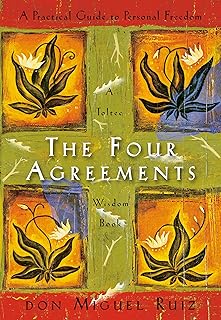
If you want a short, powerful guide to the foundations of emotional freedom, check out The Four Agreements by Don Miguel Ruiz. It lays the groundwork for the mindset shift needed to master self regulation.
Table of Contents
Why Self Regulation Is the Engine of Self Discipline
Most people think willpower is about gritting your teeth and forcing yourself to do hard things. But enduring tough moments requires more than brute strength. It requires awareness.
When you practice self regulation, you build a buffer between stimulus and reaction. That buffer is where self discipline lives. Without it, you become a slave to impulses. With it, you become the architect of your choices.
Research shows that people who can regulate their emotions perform better at work, have healthier relationships, and experience less anxiety. They are also more likely to stick to long term goals. In short, self regulation is the skill that makes all other skills possible.
But here is the good news: it can be learned. And the self regulation 5 steps routine is your training ground.
Step 1 of the Self Regulation 5 Steps: Pause and Breathe
The first step sounds almost too simple, but it is the most critical. When you feel the heat of anger, frustration, or urgency rising, you must pause.
Pausing interrupts the fight-or-flight reflex. It gives your prefrontal cortex – the rational part of your brain – a chance to catch up with your amygdala. You do not need to meditate for ten minutes. A single deep breath can be enough.
How to Pause Effectively
- Close your eyes for three seconds.
- Inhale slowly through your nose for a count of four.
- Hold for four counts.
- Exhale through your mouth for six counts.
- Repeat once.
This simple pattern lowers your heart rate and signals safety to your nervous system. It is like hitting the “pause” button on a remote control.
“Between stimulus and response there is a space. In that space is our power to choose our response. In our response lies our growth and our freedom.” – Viktor Frankl
If you want a field manual for building this habit in every area of life, Discipline Equals Freedom by Jocko Willink is a no excuses guide to taking control. It is packed with daily tactics to sharpen your pause reflex.

Step 2 of the Self Regulation 5 Steps: Name the Feeling
Once you have paused, the next step is to name the emotion. This sounds easy, but most people use broad labels like “bad” or “stressed.” Specificity matters.
When you label a feeling accurately, you activate the part of the brain that processes language. This reduces the intensity of the emotion and gives you a clearer handle on what is happening.
A Simple Feeling Vocabulary
- Anger: frustrated, irritated, resentful, furious
- Sadness: disappointed, lonely, hurt, grief
- Fear: anxious, nervous, worried, overwhelmed
- Shame: embarrassed, humiliated, guilty
- Joy: content, grateful, excited, proud
Ask yourself: “What is the precise emotion I am feeling right now?” Then say it out loud or write it down. For example, “I feel annoyed because my colleague interrupted me during the meeting.”
This act of naming creates distance between you and the feeling. You are not the emotion; you are someone who is experiencing it. That shift is powerful.
For a deep dive into the psychology behind naming and reframing emotions, The Psychology of Self-Discipline offers 24 strategies to rewire your brain for consistent self control.

Step 3 of the Self Regulation 5 Steps: Investigate the Trigger
Now that you have named the feeling, it is time to get curious about what caused it. This step is about investigation, not judgment.
Ask yourself these questions:
- What event or thought triggered this emotion?
- What story am I telling myself about this situation?
- Is this story 100% true? Or am I adding assumptions?
- What need is not being met right now? (Control? Respect? Safety?)
For example, you might realize that your anger at a slow driver actually stems from your fear of being late, which connects to a deeper need for control. Once you see that, you can address the real issue instead of honking at strangers.
Investigation helps you break the automatic link between trigger and reaction. It turns emotional reactivity into emotional intelligence.
The ancient Stoics mastered this art. Stoic Self-Discipline reveals 33 secrets from Stoicism that teach you how to investigate your impulses and strengthen your mental toughness.

Step 4 of the Self Regulation 5 Steps: Choose Your Response
You have paused, named the feeling, and investigated the trigger. Now you are at the crossroads. This is where self discipline truly shows up. You get to choose how to respond.
Instead of reacting impulsively, you can:
- Ask: “What outcome do I really want here?”
- Delay: If possible, wait 24 hours before making a big decision.
- Reframe: “How can I see this situation as a challenge rather than a threat?”
- Act opposite: If you feel like yelling, speak softly. If you want to quit, take one more small step.
The key is to align your response with your long term values, not your short term feelings. For instance, if your value is patience, you might take three deep breaths before responding to a rude comment. If your value is health, you might drink water instead of reaching for sugar.
Mindful Self-Discipline provides a complete framework for making these value aligned choices, especially in a world full of distractions.

Step 5 of the Self Regulation 5 Steps: Reflect and Learn
The cycle is not complete until you look back and extract the lesson. Reflection solidifies the neural pathway for future situations. It turns a one time success into a repeatable skill.
After the emotional event has passed, ask yourself:
- What worked well in my response?
- What would I do differently next time?
- What did I learn about my triggers and my strengths?
Write it down. A simple journal entry of two or three sentences is enough. Over time, you will start to spot patterns. You might notice that you always get defensive when someone questions your competence, or that you eat mindlessly when bored. Awareness of these patterns is the foundation of lasting change.
For a structured way to reflect and preach truth to yourself daily, Note to Self: The Discipline of Preaching to Yourself is a unique guide that helps you internalize the thoughts that keep you grounded.

Putting the Self Regulation 5 Steps Into a Daily Routine
Knowing the steps is one thing. Making them a habit is another. Here is a quick routine you can practice every day:
- Morning: Set an intention. Pick one value you want to embody (e.g., calm, focus, kindness).
- Throughout the day: Whenever you feel a strong emotion, run through the 5 steps:
- Pause and breathe (3 seconds)
- Name the emotion (one word)
- Investigate the trigger (one sentence)
- Choose your response (based on your value)
- Reflect later (write one sentence)
- Evening: Spend 2 minutes reviewing which step you struggled with and which you nailed.
This routine takes less than 10 minutes total. The payoff is enormous. You will find yourself reacting less, responding better, and feeling more in control of your life.
Comparison of Top Self Discipline Books to Support Your Practice
The following books are excellent companions to the self regulation 5 steps. Each offers unique tools for building self control, emotional awareness, and consistent action.
| Product | Price | Rating | Image | Buy at Amazon |
|---|---|---|---|---|
| The Four Agreements | $7.05 | 4.7 | |
Buy Now |
| Discipline Equals Freedom | $12.93 | 4.7 | |
Buy Now |
| The Psychology of Self-Discipline | $17.99 | 4.6 | |
Buy Now |
| Mindful Self-Discipline | $0.00 (Kindle Unlimited) | 4.7 | |
Buy Now |
| Stoic Self-Discipline | $19.99 | 4.7 | |
Buy Now |
| Note to Self | $14.99 | 4.6 | |
Buy Now |
Each of these resources adds another layer to your self regulation toolkit. Pick one that resonates with your current challenge and start reading this week.
Frequently Asked Questions About Self Regulation
1. How long does it take to see results from the self regulation 5 steps?
Most people notice a difference within the first week. The key is consistency. Even if you only use the pause and name steps, you will catch yourself before reacting badly. Full mastery takes months of practice, but small wins accumulate quickly.
2. Can self regulation help with anxiety?
Absolutely. Self regulation teaches you to observe anxious thoughts without being consumed by them. The pause and breathe step activates the parasympathetic nervous system, which directly calms anxiety. Over time, you shrink the power of anxious triggers.
3. What if I forget to use the steps in the heat of the moment?
That is completely normal. The path to mastery is forgetting and remembering. When you catch yourself after the fact, do step 5 (reflect) and forgive yourself. Each “forgotten” moment is a data point that strengthens your awareness for next time.
4. Is self regulation the same as self control?
They are related but not identical. Self control is the ability to resist impulses and delay gratification. Self regulation is the broader process of managing your emotions, thoughts, and behaviors in alignment with goals. Self control is one outcome of good self regulation.
5. Can I practice the self regulation 5 steps with children?
Yes, simplified versions work beautifully. Teach kids to “take a deep breath” (step 1), “name the feeling” (step 2), and “choose a better choice” (step 4). It builds emotional intelligence from an early age.
6. What is the best book for beginners in self discipline?
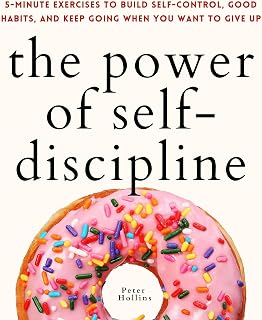
If you want one book that covers the foundations, start with The Power of Self-Discipline which includes 5-minute exercises you can do daily. It directly supports the self regulation 5 steps routine.
Your Next Step
Self regulation is not a talent you are born with. It is a skill you build one pause, one name, one choice at a time. The self regulation 5 steps routine gives you a repeatable framework to stop reacting and start responding like the person you want to become.
Start today. The next time you feel that familiar surge of frustration, take a breath. Name the feeling. Investigate. Choose. Reflect. That is the practice of self discipline in action.
If you found this guide useful, bookmark it and come back tomorrow. Run through the steps again. With repetition, they will become second nature. And that is when real freedom begins.