
If you have ever tried to convince a three-year-old that they cannot have another cookie right now, you already know the struggle. Their emotions are huge. Their patience is tiny. And their ability to wait feels nonexistent.
That is exactly what self regulation 3 year old looks like in real life. It is not about perfect behavior. It is about helping your child learn to pause, breathe, and make a choice instead of just reacting. And yes, that is a skill you can teach.
In this guide, we will walk through practical, research-backed ways to help your toddler calm down, wait, and reset when their world feels overwhelming. You will also see how building your own self-discipline makes you a stronger, calmer guide for your child.
Table of Contents
What Does Self Regulation 3 Year Old Actually Mean?
Self regulation is the ability to manage emotions, thoughts, and behaviors in the face of challenges. For a three-year-old, that means not screaming when a toy breaks. Not hitting when frustrated. Not melting down because their banana is cut instead of whole.
Let us be honest – three-year-olds are still learning that their feelings are not emergencies. Their prefrontal cortex (the “thinking brain”) is under construction. So when you see a full-blown tantrum over a blue cup instead of a red one, you are watching a brain that cannot yet hit the brakes.
The good news? Self regulation 3 year old is a skill you can build together. Every calm moment, every patient wait, every reset after a big feeling strengthens that neural pathway.
Why Self Regulation Matters at Age Three
The habits your child practices now set the foundation for later success. Kids who learn to regulate their emotions at three have an easier time making friends, following directions in kindergarten, and bouncing back from setbacks.
Key benefits of early self regulation:
- Fewer meltdowns and faster recovery when they do happen
- Better focus and attention in preschool settings
- Stronger friendships because they can share and take turns
- Greater resilience when things do not go their way
- A quieter, more connected home life for everyone
And here is something most parents do not realize: your own self-discipline directly shapes your child’s ability to regulate.
The Self-Discipline Connection: What You Model Matters
Your three-year-old learns more from watching you than from listening to you. If you yell when you are frustrated, they learn that yelling is how you handle frustration. If you take a deep breath and speak calmly, they learn that breathing works.
Self-discipline is not just for gym rats and CEOs. It is the quiet foundation that helps you stay patient when your toddler spills milk for the third time in one morning.
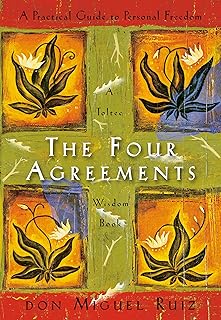
One book that can reshape your parenting mindset is The Four Agreements: Be impeccable with your word, don’t take anything personally, don’t make assumptions, and always do your best. These four principles are gold for staying centered when your three-year-old pushes every button.
Practical Ways to Teach Self Regulation 3 Year Old
Now let us get into the real strategies. These are not theoretical. They are things you can try today.
1. Co-Regulation: Stay Calm So They Can Borrow Your Calm
When your child is upset, your nervous system talks to theirs. If you are panicking, they panic more. If you stay steady, they eventually match your rhythm.
Try this: Next time your toddler starts crying because they cannot have screen time, sit down next to them. Take a slow, audible breath. Say, “I see you are upset. I am right here.” Do not try to fix it immediately. Just be present.
Your calm presence becomes their anchor. Over time, your child will start to take those deep breaths on their own.
2. Use Visual Timers for Waiting
Three-year-olds have no sense of time. “Five minutes” means nothing to them. A visual timer helps them see time passing.
How to use it:
- Get a timer that shows a disappearing red disk (like the Time Timer)
- Say, “When the red is gone, it will be your turn”
- Practice with short waits – 30 seconds, then one minute
- Celebrate when they make it
Waiting is one of the hardest self regulation 3 year old skills. Visuals make it concrete.
3. Create a Calm-Down Corner (Not a Punishment Space)
A calm-down corner is a safe spot with tools to reset. It is not a time-out zone. You want your child to go there willingly.
What to put in it:
- A soft pillow or beanbag
- A few calming books (like The Rabbit Listened)
- A sensory bottle or glitter jar
- A stuffed animal to hug
- A simple feelings chart
Teach your child to recognize when they feel big. “Your body looks like it needs a break. Want to go to your calm corner for a minute?” This empowers them, it does not shame them.
4. Teach the “Stop, Breathe, Choose” Method
Keep it simple. Three steps.
- Stop – Pause hands and feet
- Breathe – Take a slow breath in, blow out like a dragon
- Choose – What can I do next instead of scream or hit?
Practice this when everyone is calm. Role-play with toys. “Oh no, Teddy is mad because his blocks fell. Let’s help him stop, breathe, and choose.”
Repetition is everything at this age.
5. Use Simple Language for Emotions
Three-year-olds need words for what they feel. If they cannot name it, they act it out.
Emotion vocabulary to teach:
- Happy, sad, mad, scared – the basics
- Frustrated, disappointed, excited – the next level
- Calm, peaceful, proud – the positive ones
When you narrate their feelings, you are building emotional intelligence. “You are frustrated because the puzzle piece does not fit. That is hard. Take a breath, and we can try together.”
Real-Life Examples of Self Regulation 3 Year Old in Action
Example 1: The Waiting Game
You are at the grocery store. Your three-year-old wants a pack of gummy bears right now. You say no. The whining starts.
Old response: “Stop crying or you won’t get any later!”
Regulation-friendly response: “I hear you want those. We will buy them after we get the milk. Watch the timer on my phone – when it beeps, we go to the checkout.”
You give them a concrete marker. They practice waiting with support.
Example 2: The Toy Fight
Your child and a friend both want the same stuffed dinosaur. Hands grab. Crying erupts.
Old response: “You have to share! Give it back!”
Regulation-friendly response: “You both want the dinosaur. Let’s use the sand timer. When the sand runs out, it will be your turn. Who wants to start the timer?”
You structure the situation so they do not have to figure it out alone.
Example 3: The Afternoon Meltdown
It is 4 p.m. Your child is tired and hungry. Everything is wrong. The crackers are broken. The sun is too bright.
Old response: “You are being ridiculous.”
Regulation-friendly response: “Your body is telling us it needs a reset. Let’s go to your calm corner and look at the glitter jar for one minute. Then we will have a snack.”
You validate the feeling and offer a reset tool.
How to Handle “Fake” Calming Down
Sometimes a three-year-old will take a deep breath and immediately start screaming again. That is normal. They tried. Their brain just was not ready yet.
Do not punish the effort. Acknowledge that it is hard. “You tried to take a breath. That was brave. Let’s try again together.”
Over time, the seconds of calm will stretch into minutes. Progress is not linear. It is a back-and-forth dance.
The Role of Your Own Self-Discipline (Why You Need Tools Too)
Parenting a three-year-old demands massive amounts of self-discipline. You need to resist the urge to yell, to give in just to stop the noise, to check your phone when you are exhausted.
That is why it helps to have a daily practice of your own.

Discipline Equals Freedom by Jocko Willink is not a parenting book, but the message is perfect for parents. When you discipline yourself to wake up earlier, exercise, or meditate, you build the mental toughness to stay calm when your toddler loses their mind.
Even five minutes of morning stillness can change your entire day.
Books and Resources to Build Self-Regulation Skills at Home
Here are some excellent tools for both you and your child.
| Product | Price | Rating | Description |
|---|---|---|---|
|
$7.05 | 4.7 | A classic for personal freedom and inner peace |
|
$12.93 | 4.7 | Daily mental toughness tactics |
 |
$0.00 (audible) | 4.8 | Build small habits that stick |
Atomic Habits by James Clear is especially useful for parents. The idea of “habit stacking” works for teaching a child’s routine: after breakfast, we brush teeth. After teeth, we read a book. After book, we take a deep breath.
Long-Term Benefits of Teaching Self Regulation Early
The work you put in now pays off for years. Children who master self regulation 3 year old skills are more likely to:
- Perform better academically (they can focus and follow instructions)
- Build healthier friendships (they manage emotions in conflict)
- Show higher self-esteem (they feel capable of handling hard things)
- Use healthier coping strategies as teens and adults
And for you as a parent, you gain something priceless: less stress and more joy in your everyday life.
Common Mistakes Parents Make (And How to Avoid Them)
Mistake 1: Expecting too much too soon.
A three-year-old cannot regulate like a five-year-old. Meet them where they are. Celebrate small wins.
Mistake 2: Using punishment for emotional outbursts.
Yelling or taking away toys for crying teaches them to hide feelings, not manage them.
Mistake 3: Forgetting your own regulation.
When you are dysregulated, you cannot help them regulate. Take your own 60-second break if needed. Good parents do that.
Mistake 4: Giving in to stop the tantrum.
If you give them the cookie to stop the crying, you just taught them that crying gets them what they want. Stay firm with kindness.
Quick Recap: Your Action Plan for This Week
Here is what you can start doing today:
- Set up a calm corner with a few sensory tools
- Buy a visual timer and use it for waiting moments
- Name emotions all day long – for yourself and your child
- Practice “stop, breathe, choose” in calm moments first
- Read one book on self-discipline to strengthen your own foundation

Mindful Self-Discipline is an excellent audiobook (free with Audible) that helps you build the mental clarity to parent with purpose. When you are clear, your child feels safe.
FAQ: Self Regulation 3 Year Old
What is the difference between self-regulation and self-control?
Self-regulation is the broader skill of managing emotions and impulses in any situation. Self-control is a part of that – specifically, the ability to resist temptations. For a three-year-old, self-regulation means they can soothe themselves when upset, not just follow rules.
How long does it take for a 3-year-old to learn self-regulation?
There is no fixed timeline. Most children develop basic regulation skills between ages 3 and 5. Some pick it up quickly, others need more practice. Consistent coaching and a calm home environment speed up the process.
Should I punish my child for not regulating?
No. Punishment teaches fear, not skill. Instead, guide them back to calm. If they hit, you say, “Hands are not for hitting. Let’s take a breath and find a toy to hit.” Natural consequences (like cleaning up the mess) are okay, but shame is not.
Can you start teaching self-regulation at age 2?
Absolutely. At age two, focus on co-regulation – staying calm yourself, naming their feelings, and offering simple choices. Full self-regulation is not expected until later, but the foundation starts early.
What if my child refuses to use the calm corner?
Do not force it. The calm corner is an invitation, not a demand. Model using it yourself. “I feel frustrated. I am going to take a minute in my calm spot.” Kids copy what they see.
How do I handle public meltdowns?
Keep it short. Validate the feeling, offer a sensory tool (like a toy or a snack), and remove them from the situation if possible. Focus on safety, not on what strangers think. Your calm is their security.
Final Thoughts: This Is a Marathon, Not a Sprint
Teaching self regulation 3 year old is one of the most important things you will do as a parent. It is also one of the hardest. Some days you will feel like you are making no progress at all. Then your child will take a deep breath on their own, and you will realize it is happening.
Be patient with yourself. Be patient with your child. Every calm moment you model, every breath you take together, builds the skill they need for life.
You have got this.
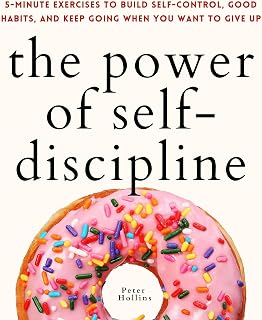
For quick daily practices, The Power of Self-Discipline: 5-Minute Exercises is a great companion. Use those five minutes to reset your own mindset, so you can show up as the patient, grounded parent your child needs.