
Let’s be honest. You’ve heard “just do it” a thousand times. You’ve seen “no pain, no gain” printed on coffee mugs. And every time someone posts a picture of a sunrise with the caption “rise and grind,” a small part of you wants to throw your phone across the room.
The problem isn’t that those messages are wrong. The problem is that they’ve been repeated so often they’ve lost all their power. They feel hollow. Preachy. The kind of advice someone gives while sitting on a couch, not while facing a 5 a.m. alarm or a plate of nachos.
But here’s the truth: the right self discipline words can genuinely rewire how you think and act. The trick is finding phrases that feel real, not recycled. Phrases that land like a good coach in your ear, not a cheesy poster on a wall.
This article is your guide to exactly that. We’ll cover the most effective self discipline words, why they work, how to use them without cringing, and a few books that are packed with these gems. No eye rolls allowed.
Table of Contents
What Are Self Discipline Words? (And Why Most Miss the Mark)
Self discipline words are the mental scripts you repeat to yourself when motivation fades and willpower gets shaky. They are short, memorable phrases that remind you of your bigger reasons, your commitment, and your ability to choose discomfort now for a better future later.
They are not just random affirmations like “I am strong.” They are grounded in action. They speak directly to the moment of temptation or procrastination.
Most self-discipline slogans fail because they are either too vague (“believe in yourself”) or too aggressive (“crush it”). The best self discipline words sit in a middle zone: firm but kind, direct but encouraging. They acknowledge the struggle while pointing toward the win.
The Core Phrases That Actually Work (Without Making You Cringe)
Below are categories of self discipline words that research and experience show are genuinely powerful. Pick the ones that resonate with you. Customize them. Make them your own.
1. Phrases for Starting When You Don’t Feel Like It
-
“I don’t have to feel ready to start.”
Action doesn’t require enthusiasm. It requires a first step. -
“The first minute is the hardest.”
Once you begin, momentum often carries you. -
“I can do anything for 5 minutes.”
Committing to a tiny chunk lowers resistance. Then you keep going. -
“Done is better than perfect.”
Perfectionism stalls progress. This phrase gives you permission to ship.
2. Phrases for Resisting Temptation
-
“I am not in the mood for a decision right now.”
Default to your pre-committed choice. -
“The temporary pleasure isn’t worth the permanent regret.”
A classic with real bite. -
“Discomfort now, or regret later. Pick one.”
Frames the choice honestly. -
“I already decided. I’m just executing.”
Removes the debate.
3. Phrases for Pushing Through Discomfort
-
“This is where growth happens.”
Reframes pain as progress. -
“My future self will thank me.”
Connects present struggle to future reward. -
“I can handle hard things.”
Builds resilience identity. -
“The wall is the way.”
Borrowed from stoicism. The obstacle is the path forward.
4. Phrases for Staying Consistent
-
“Don’t break the chain.”
Visual streak. Keep the momentum alive. -
“One day off leads to two.”
Highlights the danger of a slip. -
“I am the kind of person who ________.”
Identity-based habit. “I am the kind of person who works out daily.” -
“Small hinges swing big doors.”
Tiny actions open huge opportunities.
Why These Self Discipline Words Work (According to Science)
Your brain listens to the words you tell it. That’s not fluffy talk. It’s neuroscience. When you repeat a phrase like “I can handle hard things,” your brain’s prefrontal cortex activates, reducing the stress response in the amygdala. You literally calm down and focus.
Self-talk influences behavior more than many people realize. Studies show that people who use self-distancing (talking to yourself as “you” or using your own name) make better decisions under pressure than those who use “I.” For example, “You can do this” often works better than “I can do this.”
The words become mental anchors. They snap you back to your chosen path when the mind wanders. That’s why the best self discipline words are short, specific, and tied to a concrete situation.
How to Coach Yourself With Self Discipline Words (Step by Step)
Knowing the phrases is one thing. Actually using them when it counts is another. Follow this process:
- Identify your weak spots. Is it morning procrastination? Afternoon snacking? Evening scrolling?
- Choose 1 or 2 phrases per spot. Don’t overload yourself.
- Write them down. Physical sticky notes on your mirror or desk.
- Say them out loud. Even in a whisper. Hearing your own voice reinforces them.
- Use them immediately when the moment of temptation or resistance arrives.
- Review and adjust. After a week, swap out anything that feels stale.
Pro tip: add a touch of humor. For example, “Would a disciplined person eat this entire bag of chips? No. Would a disciplined person eat just three? Probably not either, but let’s start there.” Laughter lowers resistance.
Books That Are Packed With Self Discipline Words
If you want to build your own library of powerful self discipline words, these books are gold mines. Each one offers a unique approach. Let’s look at a few top picks.

No Excuses!: The Power of Self-Discipline by Brian Tracy is a cornerstone. Tracy delivers blunt, no-nonsense self discipline words like “you must make a decision to become a totally self-disciplined person.” It’s direct, it’s practical, and it doesn’t apologize. With a 4.7 rating and a price of just $8.66, it’s a steal.
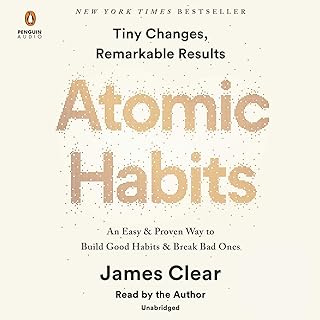
Atomic Habits by James Clear is less about discipline phrases and more about the systems that make discipline automatic. But it’s full of quotable self discipline words like “you do not rise to the level of your goals, you fall to the level of your systems.” It’s currently free on audiobook and has a massive 4.8 rating from over 148,000 reviews.

Make Your Bed by Admiral William H. McRaven contains short, powerful self discipline words drawn from Navy SEAL training. The title phrase itself is a perfect self discipline word: start your day by accomplishing one small task. Priced at $6.95, it’s a tiny book with huge impact.

Discipline Is Destiny by Ryan Holiday takes a stoic angle. Phrases like “the discipline to say no to what you want so you can say yes to what you deserve” are central. This book is a deep dive into self-control and mental toughness, with a 4.7 rating and a price of $5.88.
Comparison Table: Top Books for Self Discipline Words
Here’s a quick comparison to help you choose the right book for your shelf (or ears).
| Book Title | Price | Rating | Link |
|---|---|---|---|
|
$8.66 | 4.7 | Buy at Amazon |
|
$0.00 (audiobook) | 4.8 | Buy at Amazon |
|
$6.95 | 4.7 | Buy at Amazon |
|
$5.88 | 4.7 | Buy at Amazon |
 |
$0.00 (audiobook) | 4.7 | Buy at Amazon |
 |
$0.00 (audiobook) | 4.5 | Buy at Amazon |
Each of these books offers a different flavor of self discipline words. Tracy is blunt. Clear is systematic. McRaven is motivational. Holiday is philosophical. Mix and match based on what you need.
How to Make Self Discipline Words Stick Long Term
Repeating a phrase once won’t change your life. You need repetition, context, and belief. Here are three strategies to embed them deeply.
Strategy 1: The "Sticky Note" Method
Write your top three self discipline words on sticky notes. Place them where you’ll see them during decision moments: on your fridge, computer monitor, bathroom mirror, or car dashboard. Each glance is a micro-reminder.
Strategy 2: The "Pre-Mortem" Technique
Before a challenging situation, imagine it going wrong. Then ask yourself: “What phrase would save me?” For example, before a party where you know you’ll be tempted to overeat, pre-load with “The temporary pleasure isn’t worth the permanent regret.”
Strategy 3: The "After-Action" Review
After you succeed (or fail), note which phrases helped or didn’t. Tweak them. “I can do anything for 5 minutes” might become “I can do anything for 2 minutes on a bad day.” Customization increases effectiveness.
Real Examples: Self Discipline Words in Action
Let’s see how these phrases play out in real life.
Scenario: You want to skip your morning workout.
Bad self talk: “I’m too tired. I’ll do it tomorrow.”
Good self discipline words: “I don’t have to feel ready to start. Just put on the shoes.”
Result: You put on shoes, do a warm-up, and finish the full workout.
Scenario: You’re about to binge Netflix instead of studying.
Bad self talk: “I deserve a break. One episode won’t hurt.”
Good self discipline words: “Don’t break the chain. I’ve studied every day for two weeks.”
Result: You study for 20 minutes instead of hours of guilt.
Scenario: You’re craving junk food after a long day.
Bad self talk: “I ruined my diet anyway, might as well enjoy it.”
Good self discipline words: “Discomfort now, or regret later. Pick one.”
Result: You have a small, planned treat instead of a full binge.
The Most Important Self Discipline Word of All
If you had to pick one phrase to carry with you forever, this is it:
“I decide now.”
That’s the essence of self discipline. It’s not about motivation. It’s about making a decision in the present moment that aligns with your future self. The words you use to coach yourself are simply tools to help you make that decision faster, easier, and with less internal drama.
So go ahead. Pick a phrase from this article. Write it down. Use it today. And leave the eye rolls for the cheesy posters.
Frequently Asked Questions About Self Discipline Words
What are the best self discipline words to use daily?
The best ones are short, active, and personal. Examples include “I start now,” “One step at a time,” and “Discomfort is temporary.” Choose phrases that match your specific struggles.
Can self discipline words really change my habits?
Yes, but they are not magic. Words alone won’t transform you. They work when combined with intentional action and repetition. Think of them as mental triggers that help you override automatic impulses.
How do I stop cringing at motivational phrases?
The secret is to make the phrase your own. Instead of using someone else’s slogan, modify it. Add humor. Be specific. For example, instead of “carpe diem,” say “carpe this five minutes of work before I scroll TikTok.” Authenticity kills cringe.
Where can I find more self discipline words?
Books like No Excuses!, Atomic Habits, and Discipline Is Destiny are treasure troves. Also, listen to podcasts by James Clear or Ryan Holiday. You can also create your own based on past successes.
How many self discipline words should I use at once?
No more than three. More than that and you’ll forget them under pressure. Rotate them weekly if you want variety.
Is there a difference between self discipline words and affirmations?
Yes. Affirmations are often general positive statements (e.g., “I am worthy”). Self discipline words are action-oriented and tied to specific situations (e.g., “I choose to start now”). The latter has more impact on behavior.