
Let’s be honest: knowing you should have self-discipline is easy. Actually using it when your alarm goes off at 5:30 a.m. or when your phone buzzes with a notification? That’s the hard part. Self-discipline usage isn’t about grinding yourself into exhaustion or becoming a robot. It’s about building the inner strength to choose what matters most, even when you don’t feel like it.
In this article, you’ll discover practical, real-world ways to apply self-discipline in your daily life. You’ll learn how to stay consistent with your goals, sharpen your focus, and keep calm when life throws chaos your way. No fluff, just actionable strategies backed by research and timeless wisdom.
Table of Contents
What Is Self-discipline Usage, Really?
Self-discipline usage means taking the concept of self-control and turning it into daily action. It’s the gap between knowing what’s good for you and actually doing it. Think of it as the bridge from intention to execution.
Self-discipline usage covers three core areas:
- Consistency – showing up every day, even when motivation fades.
- Focus – directing your attention on what matters and ignoring distractions.
- Calmness – managing your emotions and impulses so you don’t react destructively.
If you can master these three, you can achieve almost anything. And the best part? Self-discipline is a skill you can train, not a fixed trait you’re born with.
How to Use Self-discipline for Consistency (Stop Starting Over)
Consistency is the secret sauce of high achievers. But staying consistent feels impossible when life gets boring or hard. Here’s how self-discipline usage helps you keep going.
1. Tie Your Actions to a Deeper “Why”
When your reason is strong enough, the “how” becomes easier. Self-discipline usage thrives on purpose. Ask yourself: Why do I want to be consistent with this habit?
- To get fit so you can play with your kids without getting winded.
- To write every day so you can finish that book.
- To save money so you can travel or retire early.
Write your “why” down and read it every morning. It turns discipline from a chore into a choice.
2. Use the 2-Minute Rule
James Clear popularized this in his book Atomic Habits. The rule: make new habits so easy you can’t say no. Self-discipline usage doesn’t require massive willpower at the start. Just focus on the first two minutes.

- Want to exercise? Put on your workout shoes.
- Want to read more? Open the book to page one.
- Want to meditate? Sit on your cushion for 30 seconds.
Once you start, momentum kicks in. Consistency follows.
3. Plan Your Day the Night Before
Decision fatigue kills self-discipline. Remove choices by planning ahead. Each evening, write down your top three priorities for tomorrow. When morning comes, you don’t have to decide – you just execute.
Self-discipline usage is easier when you’ve already made the hard decisions.
How to Use Self-discipline for Unshakeable Focus
Distractions are everywhere. Emails, notifications, social media, noise. To stay focused, you need more than willpower. You need systems.
1. Single-Task Like Your Life Depends on It
Multitasking is a myth. Your brain can’t focus on two things at once. Self-discipline usage means doing one thing at a time with full attention.
- Set a timer for 25–50 minutes (Pomodoro technique).
- Close all tabs except the one you need.
- Put your phone in another room.
Jocko Willink, author of Discipline Equals Freedom, says: “Discipline equals freedom.” The more you practice focused work, the more you get done – and the more free time you earn.

2. Create an Environment That Supports Focus
Your surroundings shape your behavior. If your desk is cluttered and your phone is next to you, your brain will fight you. Use self-discipline to set up a space that nudges you toward concentration.
- Keep only the tools for your current task visible.
- Use apps like Freedom or Cold Turkey to block distractions.
- Put a “Do Not Disturb” sign on your door.
3. Practice the Art of Saying No
Every yes to something is a no to something else. Self-discipline usage includes guarding your time fiercely. Say no to meetings that don’t need you, to scrolling when you could be creating, to people who drain your energy.
The book Yes to You, No to Them dives deep into this discipline. It’s about protecting your focus so you can show up with your best self.

How to Use Self-discipline to Stay Calm Under Pressure
Calmness isn’t about never feeling stressed. It’s about controlling your reaction to stress. Self-discipline usage in emotional regulation is a superpower.
1. Pause Before Reacting
When something triggers you, your amygdala fires instantly. Self-discipline gives you the power to insert a pause. Count to five, take a deep breath, or step away for a minute.
Mindful Self-Discipline teaches you to observe your impulses without acting on them. That pause is the difference between a regretful outburst and a composed response.

2. Use Stoic Principles
Stoicism is all about discipline over your mind. The ancient Stoics believed you can’t control what happens to you, only how you respond. That’s the heart of self-discipline usage for calmness.
- Whenever you feel frustration rising, remind yourself: “This is an opportunity to practice patience.”
- Focus only on what you can control (your thoughts, actions, words) – and let the rest go.
Books like Stoic Self-Discipline and Discipline Is Destiny offer powerful daily reminders.
3. Build a Daily Calm Ritual
Your nervous system needs training too. A 5-minute morning meditation, a walk without headphones, or writing a gratitude list rewires your brain for calmness. Use self-discipline to do it even when you don’t think you have time.
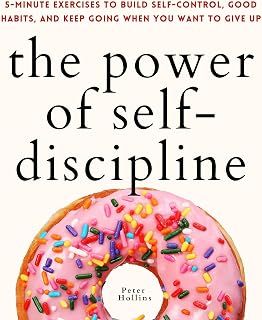
The Power of Self-Discipline: 5-Minute Exercises gives you quick practices exactly for this.
Real-life Case Studies of Self-discipline Usage
The Writer Who Wrote One Paragraph a Day
A novelist wanted to finish her manuscript but felt overwhelmed. She used self-discipline to write just one paragraph daily. In 365 days, she had a full draft. Consistency, not intensity, won.
The Entrepreneur Who Quit Social Media for 30 Days
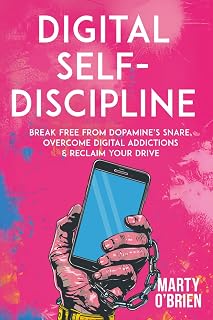
A startup founder was losing hours to Instagram. He used Digital Self-Discipline to detox. After 30 days, his focus skyrocketed and his revenue doubled. The book Digital Self-Discipline provides the blueprint for this.
The Student Who Meditated Every Morning
A college student with anxiety started with 60 seconds of stillness. That small act of self-discipline snowballed. After six months, he reported better grades, less stress, and deeper calm.
Comparison Table: Top Books for Self-discipline Usage
| Product | Price | Rating | Key Focus | Buy at Amazon |
|---|---|---|---|---|
 |
$0.00 (audible) | 4.8 | Habit building, small changes | Buy Now |
 |
$12.93 | 4.7 | Mental toughness, military-style discipline | Buy Now |
|
$12.99 | 4.8 | Breaking digital addictions, focus | Buy Now |
 |
$8.66 | 4.7 | Comprehensive discipline guide | Buy Now |
Common Mistakes in Self-discipline Usage (And How to Fix Them)
Mistake 1: Trying to Change Everything at Once
You can’t build self-discipline in ten areas simultaneously. Pick one habit and master it first. Brian Tracy’s No Excuses! emphasizes this: focus on one domain until it becomes automatic.
Mistake 2: Relying on Motivation
Motivation is a feeling. Self-discipline is a decision. Stop waiting to feel like doing it. Start before you feel ready.
Mistake 3: Ignoring Your Environment
Willpower is limited. If your environment tempts you, you’ll lose. Set your space up for success (e.g., keep junk food out of the house, use a website blocker).
Mistake 4: Being Too Hard on Yourself
Self-discipline usage isn’t about perfection. It’s about getting back on track quickly when you slip. Guilt only derails you further. Forgive yourself and move on.
How to Build a Personal Self-discipline Usage System
Step 1: Define Your Non-Negotiables
List 3–5 habits that, if done daily, would transform your life. Examples: exercise, reading, meditation, no phone first hour, drinking water.
Step 2: Create a Minimum Viable Routine
For each habit, define the smallest possible version you can do even on your worst day.
- Exercise: 5 push-ups.
- Reading: 1 page.
- Meditation: 1 minute.
Step 3: Track Your Consistency
Use a calendar or app. Mark an X each day you complete your minimums. Don’t break the chain. That visual streak builds momentum.
Step 4: Review Weekly
Every Sunday, ask: What went well? What got in the way? How can I improve self-discipline usage next week?
The book Self Discipline: 30 Days to Self Discipline takes you through a month-long plan exactly for this.

The Science Behind Self-discipline Usage
Research shows that self-control is like a muscle. Use it too much and it fatigues. Train it gradually and it grows stronger.
Willpower Depletion Myth?
Some studies suggest willpower is limited; others argue it’s a mindset. Either way, self-discipline usage becomes easier when you automate good habits and reduce decisions.
The Power of Precommitment
When you commit to a future action in advance (e.g., schedule a workout with a friend), your follow-through skyrockets. Use this for consistency.
Dopamine and Discipline
Your brain craves instant rewards. Self-discipline helps you override that craving for longer-term gains. Digital Self-Discipline explains how to break free from dopamine loops.
FAQ About Self-discipline Usage
Q: What is the difference between self-discipline and willpower?
Willpower is the momentary resistance against temptation. Self-discipline is the ongoing practice of aligning your actions with your values, even when no one’s watching. Self-discipline usage includes willpower but goes beyond it.
Q: How long does it take to build self-discipline?
It varies. Most people see noticeable changes within 30 days of consistent practice. The key is starting small and being patient.
Q: Can self-discipline be learned at any age?
Absolutely. Neuroplasticity means your brain can rewire at any age. The Stoics believed discipline is a skill anyone can cultivate.
Q: What if I keep failing?
Failure is feedback. Analyze what tripped you up and adjust your system. Self-discipline is not about never slipping; it’s about getting back up faster each time.
Your Next Step: Start Small, Start Now
Self-discipline usage isn’t some mystical gift. It’s a practical skill you can develop one decision at a time. You don’t need to overhaul your entire life overnight. Pick one tiny action from this article and do it today.
Maybe it’s writing down your “why.” Maybe it’s setting a timer for focused work. Maybe it’s taking three deep breaths before you react.
Whatever you choose, remember: consistency beats intensity. Focus beats noise. Calm beats chaos.
You have everything you need to start. The only missing piece is self-discipline usage – and now you know exactly how to apply it.
Go make it happen.