
Let’s be honest. You’ve tried to get disciplined before. You set the alarm for 5 AM, bought the planner, wrote down the goals. And for three glorious days, you felt like a machine. Then a bad day hit. You were tired, overwhelmed, maybe a little hungover from life. And just like that, the streak broke. You told yourself you’d restart tomorrow. Three months later, you’re still “restarting.”
That cycle isn’t a character flaw. It’s a system failure. The kind of self discipline training that actually sticks doesn’t rely on motivation or perfect days. It relies on a simple, repeatable system that works even when you feel like a deflated balloon. This article is that system. No fluff, no shame. Just a practical method to build consistency that survives the bad days, the mediocre days, and the “I’d rather stay in bed” days.
We’re going to cover what self discipline training really looks like, how to start without burning out, and the exact habits that keep you moving when everything in you wants to quit. Plus, we’ll share some of the best books on the topic to accelerate your progress.
Table of Contents
What Is Self Discipline Training and Why Most Methods Fail
Self discipline training is not about grinding yourself into dust. It’s about building the mental muscle to choose long-term gain over short-term comfort, especially when that comfort screams loudest.
Most people approach discipline like a boot camp. They go from zero to intense, full-schedule, all-or-nothing. That works for about a week. Then the brain rebels because it hates sudden change. The result? You feel like a failure and quit.
The real secret is to train like a gentle but relentless parent. You start small, you reward progress, and you never let a bad day undo the whole month. Self discipline training is a mindset shift from “I must be perfect” to “I must be consistent, even if consistent means a tiny step.”
The Simple System: Three Steps to Unshakeable Consistency
This system is based on behavioral psychology and real-world testing. It’s not complicated, but it works. It involves three steps: Define, Ritualize, and Protect.
Step 1: Define Your Minimum Viable Action
You need a fallback plan for the worst days. Not a dream plan. The absolute smallest version of your goal that still counts.
For example:
- If your goal is to write a book, your minimum is: write one sentence.
- If your goal is to exercise, your minimum is: put on your gym clothes and do one push-up.
- If your goal is to meditate, your minimum is: sit for 60 seconds.
This is your safety net. On good days, you’ll do more. On bad days, you do the minimum. The key is that you never skip. Self discipline training flourishes when you remove the “all or nothing” trap.
Step 2: Create a Non-Negotiable Ritual
Your brain loves routine. If you tie your disciplined action to an existing habit, it becomes automatic.
Pick a trigger. For example:
- After brushing your teeth, do your minimum action.
- After your first sip of coffee, open your notebook.
- After you close the front door (coming home), immediately do one bodyweight squat.
This is a simple habit stack. Over time, the trigger becomes the cue, and the action happens without willpower. Your self discipline training becomes a reflex.
Step 3: Protect Your System with a “Bad Day Protocol”
Bad days will happen. You’ll be sick, stressed, or just exhausted. That’s when most people quit. But you need a protocol that keeps you in the game.
Your Bad Day Protocol:
- Lower the bar even further. If your minimum is one push-up, on a terrible day allow yourself to just do a single stretch.
- No guilt, no penalty. Missing a day does not mean you “lost.” You just restart immediately the next day.
- Journal the win. Write one sentence about how you showed up, even small. This reinforces identity.
This protocol removes the all-or-nothing pressure. Self discipline training becomes about showing up, not about performance.
The Science Behind Self Discipline Training
Research shows that willpower is like a muscle. It fatigues with use but strengthens with consistent exercise. However, relying only on willpower is a losing strategy. The most disciplined people don’t have superhuman willpower — they have environments and systems that reduce the need for it.
A classic study by Baumeister found that people who used willpower to resist tempting cookies later gave up faster on a frustrating puzzle. The lesson? Don’t depend on willpower to save you. Instead, design your environment to make the right choice easy.
Self discipline training works best when you:
- Remove temptations (hide the phone, uninstall the app, prep your gym bag).
- Automate decisions (schedule your workout, meal prep).
- Build accountability (tell a friend, use a habit tracker).
How to Start Your Self Discipline Training Today
Don’t wait for Monday. Don’t wait for the “perfect time.” The perfect time is a myth. Start right after you finish reading this sentence.
Here’s your 5-minute starter plan:
- Pick one goal you want to work on. Just one.
- Define your minimum (the tiniest possible action).
- Identify a trigger (something you already do daily).
- Commit to 7 days of doing the minimum, no exceptions.
That’s it. Seven days of tiny consistency builds momentum. After that, you can add a second goal or increase the minimum. But first, build the habit of showing up.
Self discipline training is not about big leaps. It’s about small, frequent steps that compound over time. James Clear, author of Atomic Habits, calls this the “aggregation of marginal gains.” Improve 1% every day, and you’ll be 37 times better in a year.
Self Discipline Training on Bad Days: The Playbook
Bad days are the proving ground. Anyone can be disciplined when they’re fresh, fed, and motivated. The real test is when you’re running on three hours of sleep, your boss yelled at you, and it’s raining outside.
Here’s how to handle those days:
1. Acknowledge the feeling, but don’t obey it. Tell yourself, “I feel like skipping. That’s okay. I’m going to do my minimum anyway.”
2. Use the 5-Second Rule. Before your brain talks you out of it, count down from 5 and physically move. 5-4-3-2-1 — stand up, grab the dumbbell, open the notebook.
3. Focus on the identity, not the outcome. Instead of thinking “I have to write 500 words,” think “I am the kind of person who writes every day.” Identity-based habits are more resilient.
4. Reward yourself after. A small reward (a cup of tea, a few minutes of scrolling, a sticker on the calendar) creates a positive association. Your brain starts to look forward to the discipline, not dread it.
Practical Techniques to Boost Self Discipline Training
Beyond the system, specific techniques can accelerate your progress.
- Implementation intentions: Phrase your plan as “When [trigger], I will [action].” This doubles the likelihood of follow-through.
- Temptation bundling: Pair a discipline task with something you love. Listen to your favorite podcast only when you run.
- Visual progress: Use a physical calendar and mark an X for each day you do your minimum. The “don’t break the chain” method is powerful.
- Pre-commitment: Sign a contract with yourself or deposit money with a friend that you lose if you fail.
These techniques are all part of advanced self discipline training. They turn discipline from a battle into a game.
Best Books for Self Discipline Training (Plus Deals)
Reading about discipline is a form of training too. The following books are gold. They provide systems, stories, and science to reinforce your journey. We’ve included current Amazon prices and ratings to help you choose.
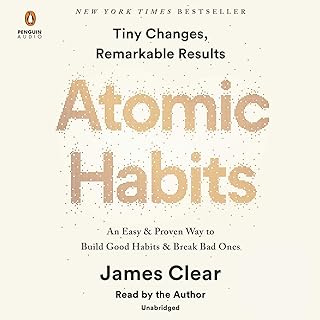
Atomic Habits by James Clear – $0.00 (audible) – Rating 4.8 – The modern classic on habit building. Clear’s framework for tiny changes is essential for self discipline training.

No Excuses!: The Power of Self-Discipline by Brian Tracy – $8.66 – Rating 4.7 – Straight-talking advice on taking control of your life. Tracy is a master of practical discipline.

The Power of Discipline: How to Use Self Control and Mental Toughness to Achieve Your Goals – $16.83 – Rating 4.6 – A tactical guide with exercises to build self-control and mental toughness.

The Mountain Is You: Transforming Self-Sabotage into Self-Mastery – $0.00 (audible) – Rating 4.7 – Helps you understand why you sabotage yourself and how to turn that around.

Discipline Equals Freedom: Field Manual by Jocko Willink – $12.93 – Rating 4.7 – Raw, motivational, and packed with daily practices.
Comparison Table: Top Self Discipline Books
| Product | Price | Rating | Image | Buy at Amazon |
|---|---|---|---|---|
| Atomic Habits | $0.00 (audible) | 4.8 | |
Buy Now |
| No Excuses! | $8.66 | 4.7 | |
Buy Now |
| The Power of Discipline | $16.83 | 4.6 | |
Buy Now |
| The Mountain Is You | $0.00 (audible) | 4.7 | |
Buy Now |
| Discipline Equals Freedom | $12.93 | 4.7 | |
Buy Now |
Advanced Self Discipline Training: Digital Discipline and Stoic Wisdom
In a world of infinite distractions, self discipline training must include controlling your digital environment. The book Digital Self-Discipline (available on Amazon) offers practical steps to break free from dopamine loops. It’s a must-read if you feel your phone controls you.
Also, Stoic philosophy provides timeless tools. The book Stoic Self-Discipline shares 33 ancient secrets to unbreakable self-control. Combining modern habit science with Stoic mindset is a powerful one-two punch.
If you want a daily dose of wisdom, 365 Days With Self-Discipline gives you one thought per day for a year. That’s a year of self discipline training delivered in bite-sized mental push-ups.
Common Questions About Self Discipline Training
Let’s address some questions people often ask.
Q: How long does it take to become disciplined?
A: It’s not a finish line. But most people start seeing real change after about 30–60 days of consistent, minimal action. The key is making it a part of your identity, not just a to-do.
Q: Can I train self-discipline if I’m naturally lazy?
A: “Lazy” is just a label. Everyone has the capacity for discipline. Start smaller than you think you need. If you can’t do one push-up, do a wall push-up. Progress is progress.
Q: What if I fail after weeks of consistency?
A: Failure is information. Ask yourself why. Was your minimum too high? Did you have a bad day protocol? Adjust and restart. One slip doesn’t erase your training.
Q: Is self discipline training the same as willpower?
A: No. Willpower is a finite resource. Self discipline training builds systems and habits so you don’t rely on willpower alone. It’s about making the right thing easy and the wrong thing hard.
The Tools to Support Your Journey
Beyond books, consider these aids:
- Habit tracker apps like Streaks or Habitica to gamify your progress.
- Accountability partners — tell someone what you’re doing and ask them to check in.
- Environment design — remove junk food, place your running shoes by the door, keep your notebook on your desk.
For a structured 30-day program, the book Self Discipline: 30 Days to Self Discipline provides a day-by-day plan. It’s a hands-on workbook style that complements your own training.
FAQs About Self Discipline Training
What is the best way to start self discipline training?
Start with one tiny habit. Define your minimum viable action and attach it to an existing routine. Do that for seven days before adding anything new. The best way is the way that gets you to do it every single day, no matter how small.
How do I stay consistent when I feel no motivation?
Your system must override your feelings. Use the Bad Day Protocol: lower the bar, remove guilt, and rely on triggers. Motivation follows action, not the other way around. Just move your body or open the app. The feeling will catch up.
Can self discipline training help with procrastination?
Absolutely. Procrastination is often a symptom of overwhelm or lack of clear action. Self discipline training breaks tasks into smaller, automatic steps. When you have a trigger that forces you to start, procrastination loses its grip.
Is it possible to train discipline if I have ADHD or executive dysfunction?
Yes, but you may need to adjust the system. Make your minimum even smaller. Use body doubling or external accountability. Visual timers and physical objects can also help. The core principle — small, frequent actions — works for everyone.
How often should I read about self discipline to improve?
Reading is great for inspiration and strategy. But action is what trains discipline. Spend 80% of your time practicing, 20% reading. Use books like No Excuses! or The Power of Self-Discipline to reinforce your habits, not replace them.
Final Word: Your Training Never Ends
Self discipline training is not a project with a finish date. It’s a lifestyle. You will have bad days, weeks, maybe even months. That doesn’t mean you’ve failed. It means you’re human.
The simple system works because it expects imperfection. It gives you a safety net. It asks only that you show up, even for a single breath of effort.
Start today. Pick one goal. Define your minimum. Attach it to a trigger. And when life hits hard, use your protocol. One step. One moment. That’s all it takes.
The person you want to become is built on the consistency you practice now, on the good days and the rotten ones alike. Train smart. Stay relentless. And remember: discipline equals freedom.