
Let’s be honest: if willpower were a muscle, most of ours would be asking for a spot at the gym. You set a goal, feel fired up, then three days later you’re ordering pizza while watching Netflix instead of doing that online course. Sound familiar?
Here’s the good news: self discipline isn’t about gritting your teeth and white-knuckling through every temptation. It’s about building simple systems that make good habits automatic and bad habits almost impossible. You don’t need to be a discipline robot. You just need a smarter game plan.
In this deep dive, we’ll show you exactly how to make habits stick using environment design, tiny triggers, and strategies backed by research. No willpower gymnastics required. By the end, you’ll have a toolbox full of practical systems — and maybe a new book or two from our recommended list to take you even further.
Ready? Let’s build a bulletproof kind of self discipline that doesn’t feel like torture.
Table of Contents
Why Willpower Alone Won’t Save You (Or Your Gym Membership)
We’ve all been there: you make a grand declaration on January 1st that this year you’ll hit the gym every morning. The first week goes great. By week three, you’re hitting snooze like it’s going out of style.
Why does this happen? Because willpower is a limited resource. Every decision you make throughout the day — what to wear, which email to reply to, whether to have a second coffee — depletes your mental energy. By evening, the tank is empty. And that morning workout? It never stood a chance.
The key to self discipline isn’t having more willpower. It’s having less need for it. That means creating systems where your environment does the heavy lifting.
What Self Discipline Actually Means (Hint: It’s Not a Personality Trait)
Many people think self discipline is an inborn trait — you either have it or you don’t. That’s nonsense. Self discipline is a skill you build, just like lifting weights or learning a language.
At its core, self discipline is the ability to make choices that align with your long-term goals, even when short-term temptations yell in your ear. It’s about consistency over intensity. And the best way to make that consistency stick is to remove friction from the right places.
Think of it this way: if you want to eat healthier, don’t keep junk food in the house. If you want to write a book, put your laptop on the kitchen table where you can’t ignore it. Systems beat motivation every time.
The Simple Systems That Work
Let’s dig into the practical stuff. These are the systems that will transform your self discipline from a struggle into a set of automatic habits.
Environment Design (Low Friction, High Friction)
Your environment is the silent puppet master of your behavior. If you want to exercise in the morning, lay out your workout clothes the night before. Put your running shoes by the door. Make it easy to do the right thing.
Conversely, make bad habits harder. Want to stop scrolling social media? Delete the app from your phone, or use a timer lock. The goal is to turn self discipline into a game of low friction vs high friction.
The Two-Minute Rule
James Clear popularized this in his masterpiece Atomic Habits: 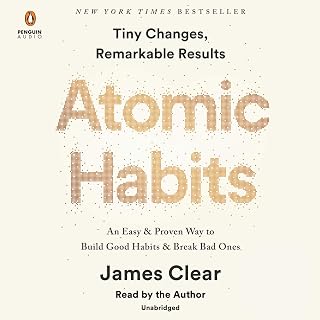 . The rule says: when starting a new habit, it should take less than two minutes to do.
Want to read more? Read one page. Want to meditate? Sit for one minute. Starting small prevents the brain from arguing with you. Once you start, momentum often carries you far beyond those two minutes. It’s the ultimate cheat code for building self discipline without the pain.
Implementation Intentions (If-Then Plans)
Psychologist Peter Gollwitzer found that people who use “if-then” plans are two to three times more likely to follow through. The formula is simple:
- If situation X happens, then I will do Y.
For example: “If it’s 7 PM, then I will do 10 minutes of stretching.” “If I feel like snacking after lunch, then I will drink a glass of water first.”
These plans automate your decision-making, saving precious willpower. They turn vague intentions into concrete actions.
Habit Stacking
Habit stacking is like piggybacking a new habit onto an existing one. The formula: “After I [current habit], I will [new habit].”
- After I pour my morning coffee, I will write three things I’m grateful for.
- After I brush my teeth at night, I will lay out my gym clothes.
This works because the current habit acts as a natural trigger. No extra reminders needed.
Accountability and Tracking
What gets measured gets managed. Tracking your habits — even with a simple checkbox on a calendar — creates a powerful feedback loop. You see your progress, and you don’t want to break the streak.
Better yet, get an accountability partner. Tell a friend you’ll send them a screenshot of your workout log every day. Having someone watching raises the stakes. It’s one of the simplest ways to supercharge your self discipline.
How to Build Self Discipline Without Feeling Like a Monk
You don’t need to live like a Spartan warrior to be disciplined. You just need to set yourself up for small wins.
Start Stupid Small
When most people try to build self discipline, they aim too big. “I’m going to exercise for an hour every day!” Then they miss a day and feel like a failure. The trick is to make the habit so easy you can’t say no.
Want to do 50 push-ups a day? Start with one. Yes, one push-up. It sounds ridiculous, but it works. Once you do one, you’re likely to do a few more. And if you only do one, that’s still a win. Consistency beats volume every time.
Remove Temptation, Don’t Resist It
Resisting temptation is like asking a hungry person to sit next to a cookie jar. It’s not fair. Instead, design your environment to remove the choice.
If you struggle with phone distractions, put your phone in another room while you work. If you want to eat healthier, stock your fridge with pre-cut veggies and hide the chips. This is passive self discipline — your environment does the work.
Use the 5-Minute Rule
One of the best ways to beat procrastination is the 5-minute rule: commit to doing a task for just five minutes. That’s all. You can stop after that if you want.
Most of the time, you’ll keep going. But even if you don’t, you’ve made progress. The book The Power of Self-Discipline: 5-Minute Exercises is built around this exact idea. It gives you bite-sized exercises that condition your discipline muscle without overwhelming you.
Top Books to Deepen Your Self Discipline (With Comparison Table)
Reading a great book on self discipline is like having a mentor whisper strategies in your ear. Below are four of the highest-rated, most practical books available. I’ve included a comparison to help you pick the one that fits your style.
Atomic Habits by James Clear
The gold standard for building habits. James Clear breaks down the science of tiny changes that lead to remarkable results. If you only read one book on this list, make it this one. (And yes, it’s often available for $0.00 on Audible!)
No Excuses! by Brian Tracy
Brian Tracy’s no-nonsense approach will kick your butt in the best way. He covers everything from self discipline in your health, finances, work, and relationships. The tone is direct, motivating, and full of actionable advice.
Discipline Is Destiny by Ryan Holiday
This book draws on Stoic philosophy to explore how self control leads to a life of purpose. It’s inspiring and countercultural in a world that urges constant indulgence. Ryan Holiday weaves historical stories with modern lessons.
The Power of Self-Discipline by Daniel Walter
A more practical, exercise-focused approach. This book gives you 5-minute daily drills to build mental toughness. Perfect if you love structured workouts for your mind.
| Book | Price | Rating | Key Focus | Buy at Amazon |
|---|---|---|---|---|
| Atomic Habits by James Clear | $0.00 (audible) | 4.8 out of 5 | Tiny habits, systems | |
| No Excuses! by Brian Tracy | $8.66 | 4.7 out of 5 | Motivation, personal responsibility |  |
| Discipline Is Destiny by Ryan Holiday | $5.88 | 4.7 out of 5 | Stoicism, self-control |  |
| The Power of Self-Discipline by Daniel Walter | $0.00 (audible) | 4.4 out of 5 | 5-minute exercises | 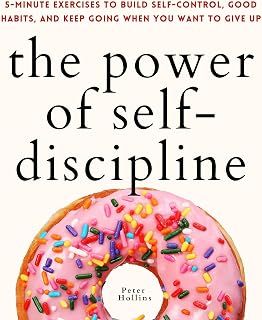 |
All four books will dramatically improve your self discipline. Start with the one that speaks to your current struggle: want systems? Go with Clear. Need a kick in the pants? Tracy. Yearning for ancient wisdom? Holiday. Want daily drills? Walter.
Real Habits That Stick (Examples)
Let’s bring this to life with a powerful example from one of the most popular books on discipline: Make Your Bed by Admiral William H. McRaven. The idea is stunningly simple: start your day by making your bed. It’s a small win that sets the tone for accomplishment. You’ve already done one thing right, and that momentum carries forward.

McRaven wrote: “If you want to change the world, start off by making your bed.” That’s the kind of self discipline that grows from tiny actions. You can apply the same principle to anything: write one sentence, read one page, do one push-up. The action itself is less important than the repetition.
Other real-life examples of systems that work:
- Meal prep Sunday: Spend an hour prepping healthy meals so you don’t have to decide what to eat during the week.
- Phone charging station: Plug your phone in across the room at night so you can’t scroll in bed.
- Clothes the night before: Pick your outfit, your workout gear, even your lunch bag.
These are not sexy. They are effective. That’s the point.
Common Self Discipline Myths (Busted)
-
Myth 1: You need to be born disciplined.
Nope. Self discipline is learned, just like riding a bike. You get better with practice. -
Myth 2: Discipline means saying no to everything.
Actually, good discipline means saying yes to what matters and automating decisions so you don’t waste willpower on trivial stuff. -
Myth 3: More motivation equals more discipline.
Motivation is fleeting. Systems work even when you’re not in the mood. Rely on systems, not feelings. -
Myth 4: You have to be perfect.
One slip doesn’t erase your progress. The key is to get back on track immediately. Missing one day is fine; missing two starts a habit of quitting.
Frequently Asked Questions About Self Discipline
Q: What is the best way to start building self discipline?
A: Start with one tiny habit. Pick something you can do in under two minutes, and do it every day. Once that sticks, add another. Patience is part of the process.
Q: How long does it take to build self discipline?
A: There’s no magic number, but research suggests habits take anywhere from 18 to 254 days to become automatic. Focus on consistency, not speed.
Q: Can self discipline be improved at any age?
A: Absolutely. Neuroplasticity means your brain can change throughout life. Every time you practice self discipline, you strengthen the neural pathways that support it.
Q: What’s the #1 mistake people make with self discipline?
A: Relying on willpower alone. The most successful people design their environment so they don’t have to rely on motivation or willpower.
Q: Which self discipline book should I read first?
A: Atomic Habits by James Clear is the most universally recommended starting point. It’s practical, research-based, and easy to implement.
Q: Is self discipline the same as self control?
A: They overlap, but self discipline is broader. Self control is resisting temptation in the moment; self discipline is proactively aligning your actions with long-term goals through habits and systems.
Your Next Step Toward Real Self Discipline
You now have a complete roadmap. Stop trying to brute-force your willpower. Instead, design your environment, start tiny, use if-then plans, and stack your habits. Add one of the books from our comparison table to your shelf (or earbuds), and you’ll have a permanent mentor in your corner.
Remember: self discipline is not a life sentence of deprivation. It’s the freedom to build the life you actually want. And it starts with one simple system, chosen today.
Now go make your bed. Then write one page, do one push-up, and see where momentum takes you.