
You know that feeling. On Monday morning, you wake up ready to conquer the world. Your goals are clear, your energy is high, and you swear this time will be different. By Wednesday afternoon, that fire is a flicker. Your alarm went off but you hit snooze. That workout you promised yourself? Maybe tomorrow. The project you were going to crush? It can wait.
Motivation is a fickle friend. It shows up unannounced and leaves without warning. That is exactly why you need a self discipline sermon not a motivational pep talk. A sermon is something you preach to yourself every single day, regardless of how you feel. It is not about waiting for inspiration. It is about showing up and doing the work because you made a promise to yourself.
In this deep dive, we will explore what a self discipline sermon really means, why motivation fails you, and how to build a system that keeps you steady when everything inside you wants to quit. We will also look at the best books, strategies, and mindset shifts that turn self discipline from a struggle into a reflex.
Table of Contents
What Is a Self Discipline Sermon?
A self discipline sermon is the inner voice that says "keep going" when your feelings scream "stop." It is the mental script you rehearse before the tough moments arrive. Athletes call it visualization. Soldiers call it discipline. Philosophers call it virtue. You can call it your personal sermon.
Think of it as preaching to your own soul. You do not wait until you are in the middle of temptation to decide what you believe. You decide ahead of time. You write the sermon. You memorize it. And when the moment comes, you deliver it with conviction.
This concept is at the heart of many great books. For instance, Note to Self: The Discipline of Preaching to Yourself by Joe Thorn is literally about the discipline of preaching to your own heart. It is a Christian perspective on self talk, but the principle applies everywhere. You are the preacher and the congregation.

Why Motivation Flips and Discipline Stays
Motivation is an emotion. It rises and falls based on sleep, stress, sugar, and even the weather. Discipline is a decision. You do not need to feel like it to do it. That is the core difference.
The brain is wired to seek pleasure and avoid pain. When you face a hard task, your brain creates resistance. It tries to protect you from discomfort. Motivation can override that resistance for a while, but eventually the resistance wins if you rely only on feeling good.
A self discipline sermon rewires your brain by repeating truth over and over. You are not fighting the resistance in the moment. You are training your brain ahead of time to expect the resistance and ignore it.
Signs Your Motivation Has Flipped
- You set goals but stop after a few days.
- You start projects with excitement but lose interest quickly.
- You make excuses that sound reasonable in the moment.
- You blame external circumstances for lack of progress.
If any of this sounds familiar, you are not broken. You are just using the wrong fuel. Motivation is gasoline. It burns fast. Discipline is diesel. It keeps you going long after the excitement is gone.
How to Build Your Own Self Discipline Sermon
You do not need a pulpit or a degree in theology. You need three things: a clear message, repetition, and accountability.
Step 1: Write Your Core Truths
What do you need to remind yourself of when things get hard? Write down three to five statements that are non negotiable. For example:
- I show up even when I don't feel like it.
- Discomfort is temporary, quitting is permanent.
- I am the person who finishes what they start.
These are not affirmations you chant in the mirror. They are declarations you use when you are about to give up. Write them on a note card. Keep it in your wallet or on your phone.
Step 2: Preach Them Daily
Read your core truths out loud every morning and every night. Yes, out loud. Your brain processes spoken words differently than silent thoughts. It makes the sermon real.
This practice is backed by research on self talk. Athletes who use instructional self talk perform better under pressure. The same works for anyone trying to build self control.
Step 3: Review and Revise
Your sermon should evolve as you grow. After a few weeks, update it. Add new truths. Drop ones that no longer challenge you. The goal is to keep pressing your edge.
The Best Books to Deepen Your Self Discipline Sermon
Books can give you language, stories, and systems to fortify your discipline. Here are the top resources, each with a unique angle on staying steady when motivation flips.
No Excuses!: The Power of Self Discipline by Brian Tracy
Brian Tracy is a legend in personal development. This book is a classic for a reason. It is blunt, practical, and full of actionable advice. Tracy breaks down self discipline into nine areas including health, finances, and time management.

Price: $8.66 | Rating: 4.7/5
Tracy says that self discipline is the ability to do what you should do when you should do it, whether you feel like it or not. That is the whole sermon right there.
Discipline Is Destiny: The Power of Self Control by Ryan Holiday
Ryan Holiday writes about stoic philosophy in a modern context. Discipline Is Destiny is part of his Stoic Virtues series. It shows how self control is the foundation of a meaningful life. Holiday uses stories from history to illustrate discipline in action.

Price: $5.88 | Rating: 4.7/5
If you want a self discipline sermon rooted in ancient wisdom, this is it. Holiday argues that discipline is not about restriction but about freedom. The more you control yourself, the more you can achieve.
Stoic Self Discipline: Stoicism’s 33 Ancient Secrets to Building Unbreakable Self Control
This book distills stoic philosophy into 33 practical secrets. It is a manual for mental toughness. Each chapter is short and actionable, perfect for daily reading.

Price: $19.99 | Rating: 4.7/5
The book teaches you to control your judgments and reactions. That is the heart of a self discipline sermon: you choose what to accept and what to reject.
The Mountain Is You: Transforming Self Sabotage into Self Mastery by Brianna Wiest
This book is for anyone who feels like their own brain is the enemy. Wiest explains why we sabotage ourselves and how to stop. It is a compassionate but firm call to take responsibility.

Price: $0.00 (free with Kindle Unlimited or Audible) | Rating: 4.7/5
Her message: you are not your thoughts. You are the one who listens to them. Preach a better sermon to yourself and the mountain shrinks.
Digital Self Discipline: Break Free from Dopamine’s Snare
If your motivation flips because you get distracted by your phone, this book is for you. It tackles digital addiction head on with strategies to reclaim your focus.

Price: $12.99 | Rating: 4.8/5
The author provides a step by step plan to break the dopamine loop. It is like a sermon against the noise of modern life.
Comparison of Top Self Discipline Books
| Product | Price | Rating | Key Focus | Buy at Amazon |
|---|---|---|---|---|
| No Excuses! | $8.66 | 4.7 | Practical self discipline in all areas | |
| Discipline Is Destiny | $5.88 | 4.7 | Stoic virtue of self control | |
| Stoic Self Discipline | $19.99 | 4.7 | 33 ancient secrets | |
| The Mountain Is You | $0.00 | 4.7 | Overcoming self sabotage | |
| Digital Self Discipline | $12.99 | 4.8 | Digital addiction | |
How to Preach the Self Discipline Sermon When You Don't Feel Like It
The moment you least want to hear the sermon is the moment you need it most. Here is a step by step process to apply when motivation flips.
1. Pause and Recognize the Flip
Notice when your mind starts making excuses. "I'll do it later." "I'm too tired." "This isn't that important." Catch those thoughts. They are the opening notes of your old song.
2. Allow the Discomfort
Do not try to push the feeling away. Acknowledge it without judgment. Say to yourself, "I feel resistance right now. That is okay. I can still take action."
3. Recite Your Core Truths
Pull out your self discipline sermon. Read or speak your core truths. Let them drown out the excuses.
4. Take One Small Step
Commit to just one minute of the task. Open the document. Put on your shoes. Pick up the book. Often, starting is the hardest part. Once you begin, momentum takes over.
5. Celebrate the Win
After you follow through, acknowledge it. You preached the sermon and you acted. That builds evidence for your brain that you are a disciplined person.
Why You Need Both a Sermon and a System
A self discipline sermon is not enough by itself. You also need systems that make discipline easier. Think of the sermon as the engine and the system as the road.
If you want to exercise daily, your sermon might say, "I am an athlete, and athletes train every day." But if your gym bag is packed, your shoes are by the door, and your alarm is set, you remove friction. The system supports the sermon.
Examples of Systems That Support Self Discipline
- Habit stacking: Attach a new habit to an existing one. After I brush my teeth, I meditate for two minutes.
- Environmental design: Put your phone in another room when you work. Keep healthy snacks visible.
- Accountability partners: Share your sermon with a friend. Ask them to check in on your progress.
- Daily review: Spend five minutes each evening reflecting on whether you lived your sermon that day.
The Role of Rest in a Self Discipline Sermon
This might surprise you, but discipline also requires rest. You cannot preach an endless sermon without burning out. Sleep, nutrition, and downtime are not the enemy of discipline. They are its fuel.
Many people think discipline means grinding 24/7. That is a fast track to quitting. A wise self discipline sermon includes the command to rest. It says, "I take care of my body so I can show up tomorrow."
How to Handle Slips and Setbacks
You will mess up. You will skip a day. You will fail to live up to your sermon. That is normal. The key is how you respond.
A weak sermon says, "I failed, so I am a failure." A strong sermon says, "I failed, and I will learn from it and start again tomorrow." The difference is between self condemnation and self compassion.
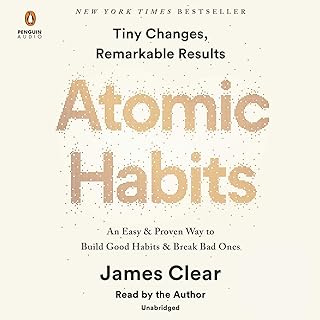
James Clear, author of Atomic Habits, speaks about never missing twice. If you skip one day, make sure you do not skip a second. That principle is essential for any self discipline sermon.
The Four Agreements and Self Discipline
Don Miguel Ruiz's The Four Agreements is a practical guide to personal freedom. While not specifically about discipline, its agreements support a strong sermon.
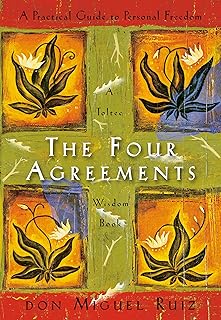
Price: $7.05 | Rating: 4.7/5
The first agreement is "Be impeccable with your word." That includes the words you speak to yourself. Your self discipline sermon must align with integrity. If you promise yourself something, keep that promise. That builds trust with your own soul.
Yes to You, No to Them: The Discipline of Saying No
Sometimes discipline is not about doing more but about refusing what does not serve you. Yes to You, No to Them by Johanna Giusti (?) is about setting boundaries.

Price: $18.63 | Rating: 5/5 (limited reviews)
The self discipline sermon includes saying no to distractions, to people pleasing, and to habits that drain you. It is the discipline of focus.
Common Questions About the Self Discipline Sermon
Is a self discipline sermon the same as affirmations?
Not exactly. Affirmations are positive statements you repeat to yourself, often without specific context. A sermon is more like a prepared speech you use when you face a challenge. It is situational and active.
How long should my sermon be?
Keep it short. Three to five sentences. You need to be able to recall it under pressure. If it is too long, you will forget it in the heat of the moment.
Can I use someone else's sermon?
You can borrow ideas, but the most effective sermon is one you write yourself. It must reflect your values and your struggles. Adapt from the books and teachers you respect, then make it yours.
How often should I preach it?
Daily repetition builds neural pathways. Morning and evening is ideal. But also preach it whenever you feel resistance. Each repetition strengthens the habit of discipline.
The Science of Willpower and the Self Discipline Sermon
Research shows that willpower is like a muscle. It can be exhausted but also strengthened over time. A self discipline sermon acts as a cognitive rehearsal that primes your brain for action.
When you repeat a sermon, you create mental scripts that become automatic. That is why soldiers drill. They do not think about what to do in battle. They react based on training. Your sermon is mental training.
Final Thoughts: Your Sermon Starts Today
Motivation will always flip. That is the nature of being human. But you do not have to be a victim of your feelings. You have the power to preach a better truth to yourself.
Start today. Write your self discipline sermon. Read it aloud. Test it in small challenges. Revise it as you grow. Over time, you will notice that the flip happens less often. And when it does, you will be ready.
You are not waiting for motivation to return. You are the one who brings it. That is what a self discipline sermon does. It reminds you that you have everything you need already inside you.
Now go preach it.
Frequently Asked Questions
What is the best self discipline sermon for beginners?
Start with a simple statement: "I do what I say I will do, even when I don't want to." That covers most situations. Make it personal and repeat it daily.
How can I stay consistent with my sermon if I travel or have a busy schedule?
Write your sermon on a note card or set it as a phone wallpaper. Keep it visible. Even one repetition per day is enough to maintain the habit.
Can a self discipline sermon help with procrastination?
Yes. Procrastination is often driven by fear or discomfort. Your sermon can address those feelings directly. For example, "Starting is the hardest part, so I just start for one minute."
Should I include my long term goals in my sermon?
Including your biggest why can be powerful. But keep it concise. "I am building a future I will be proud of" is better than a paragraph.
Are there any risks to using a self discipline sermon?
The only risk is becoming too rigid or harsh with yourself. Make sure your sermon includes grace. It should challenge you without shaming you.